

From Scorching Heat to Ice-Cold Water – Why Finns Do This and How You Can Experience Ice Swimming Too
Finns have a strong connection to nature, and winter swimming – known in Finnish as avanto or avantouinti – is a prime example of it. This pastime combines the wintry outdoors, fresh air, and Finland’s deep-rooted sauna culture, which for many Finns is an essential part of everyday life. In principle, winter swimming can suit almost anyone—any healthy adult is capable of taking a dip in an ice hole. Don’t assume that it’s a breeze for all Finns, though; there are plenty of people here who can’t fathom why anyone would intentionally submerge themselves in ice-cold water every week, or even multiple times a week.
The Benefits of Winter Swimming
Numerous studies and surveys indicate that winter swimming is beneficial to one’s health. Regular exposure to cold seems to strengthen the body’s defense system. It toughens you up, and cold adaptation stimulates and boosts the immune system. Entering cold water activates the body’s temperature regulation processes, which can help maintain healthy circulation. Many find that winter swimming calms the mind and reduces stress. Short bursts of cold exposure can promote the release of feel-good hormones.
Although cold water is a stress factor for the body and triggers the secretion of stress hormones, many winter swimmers report that their stress seems to “stay in the water.” A common observation is that winter swimming improves sleep and clears the mind of racing thoughts and the rush of daily life. For many, winter swimming is also a way to relax, challenge oneself, and meet new people in a laid-back environment where everyone is on equal footing.
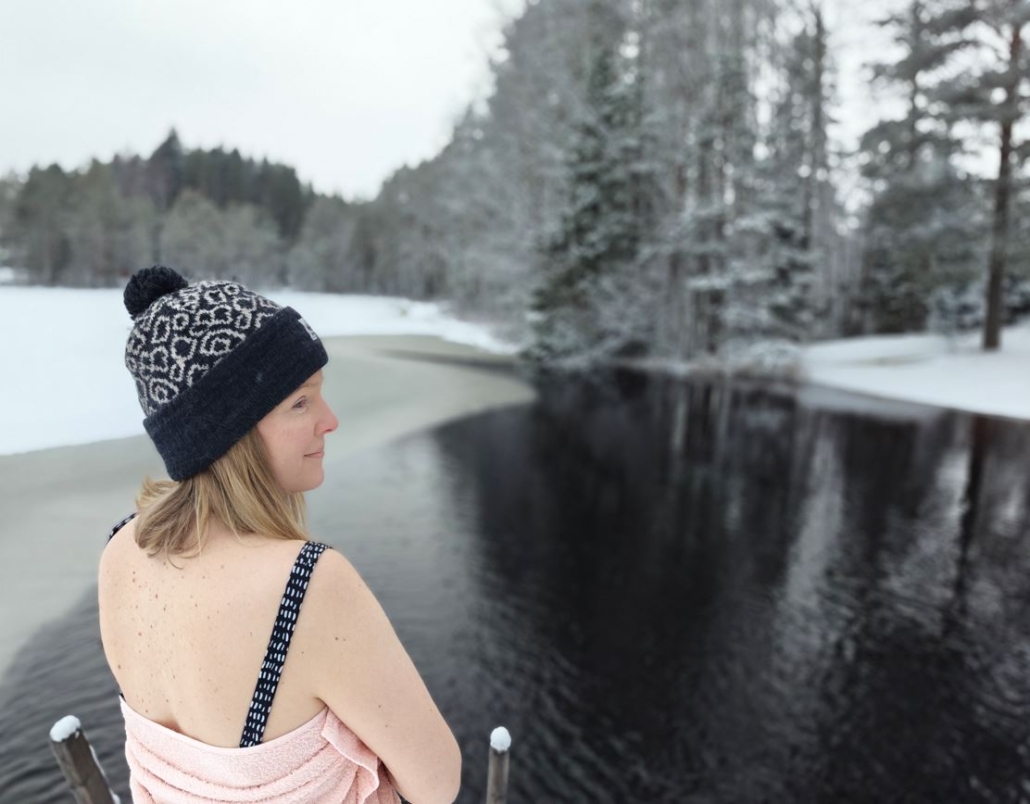
Many consider winter swimming to be both relaxing and invigorating at the same time. For some, it is a social event where friends or fellow enthusiasts can share tips and experiences.
Sauna is often deemed practically indispensable when it comes to winter swimming, as its heat relaxes the muscles and alleviates the sensation of cold. Additionally, you have time in the sauna to socialize with other swimmers, share experiences, and let your body recover before diving back into the icy water. The mood in a sauna can shift from perfectly serene to lively and boisterous in a short period. It’s considered polite to avoid sensitive or contentious topics in the sauna, as arguing in such a setting is frowned upon. You can also look into Finnish sauna etiquette for further details.
Where to Go Winter Swimming?

Winter swimming is offered in countless locations across Finland during the colder months. In larger cities, there may be several places where you can experience the sauna-plus-ice-hole combination for just a few euros each week—or on multiple days of the week. Besides municipalities and cities, various winter swimming clubs maintain ice holes and shared piers, where you can submerge yourself in icy water during the coldest time of year, then warm up in the sauna afterward.
Check out winter swimming spots in Helsinki
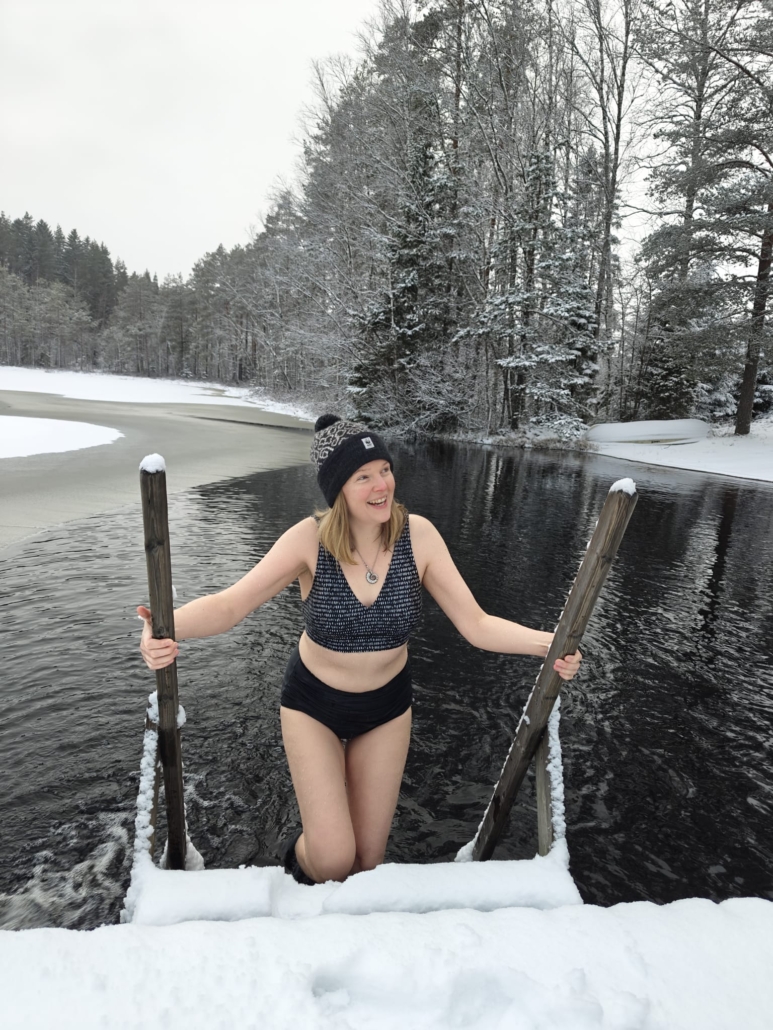
Finland truly has excellent conditions for winter swimming, thanks to its abundance of lakes, rivers, and sea shores spanning the entire country from south to north. An ice hole is most commonly kept open by using a pump that circulates water on the surface, preventing it from freezing even though the rest of the waterway may be hidden under layers of ice and snow. There are also steps leading down into the ice hole, allowing swimmers to descend safely into the cold water—provided they remember to watch out for potentially icy and slippery surfaces on the pier and steps.
How to Safely Try Winter Swimming
Trying winter swimming for the first time can feel intimidating, but with the right approach and tips, it can be done safely.
Familiarize yourself with organized sessions. Many localities have regular winter swimming sessions open to anyone. It’s a good idea to start at these public sessions, where experienced swimmers are always on hand. They can give you helpful advice on how to enter the ice hole safely and calmly. As a safety measure (and a strict rule in many places), you should never go winter swimming alone—at least have a friend keeping an eye on you from the pier, to make sure you can get out of the water and back into the warmth. During public winter swimming sessions, this is taken care of automatically, since there are always other people around.
Winter Swimming Essentials
Be sure to bring a swimsuit, a towel, a bathrobe if you like, something to drink, warm clothing for after you’re done, and ideally some suitable footwear for walking between the sauna and the ice hole.
- Swimsuit: Required unless you’re in a private ice hole where nude swimming is permitted.
- Swim shoes (or at least slippers): Not mandatory, but neoprene swim shoes significantly enhance comfort. The pier can be slippery in cold weather, and sturdy soles help prevent slipping. They also protect your feet from rough or gritty surfaces and provide some warmth to your feet—the first and last part of your body in the water.
- Neoprene gloves: Not mandatory, but especially nice in colder weather. They protect your hands from icy railings and keep them a bit warmer in the water.
- Beanie or sauna hat: Some people like to wear these during winter swimming to keep their head warm.
- Drinking water: Keeping hydrated is important, as frequent sauna sessions cause you to sweat more than you realize.
- Towel, for obvious reasons!
- Extra-warm clothes: Essential so that you don’t catch a chill on your way home.
What to Do at the Winter Swimming Spot
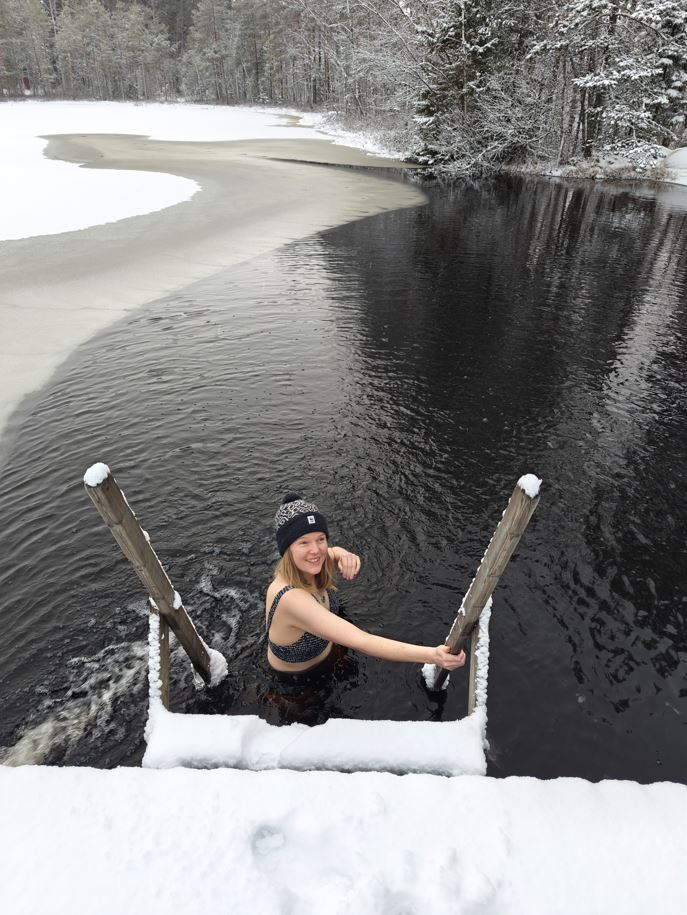
In different winter swimming locations, there may be slightly different ways of doing things. Therefore, when you arrive, don’t hesitate to ask how things are done here. Other visitors are usually happy to help. Below, however, is a fairly common guideline.
- Arrive at the facility on time and pay any entrance fee, either by dropping cash into the collection box or by making a digital payment.
- Head to the dressing room—separate ones for women and men—undress and leave your clothes and other belongings neatly in the designated spots. Try not to spread your things around too much, as space can sometimes be limited. It is quite possible that there won’t be any lockable storage available for your belongings. To have peace of mind, it’s a good idea to leave your most valuable items at your accommodation.
- Move on to the shower area, where you can wash up and put on your swimsuit, along with any additional winter swimming gear you’ve brought.
- Many people prefer to warm up in the sauna first, then head to the ice hole. Others go directly from the dressing room to the ice hole before their first sauna session—it’s entirely a matter of preference.
- Walk calmly to the ice hole and observe what others do. Most will walk from the sauna to the ice hole in a swimsuit and swimming shoes or slippers, but some prefer to wrap themselves in a towel or a bathrobe for the short journey.
- There are various ways to enjoy the ice hole. Some people step down the stairs, submerge quickly, and immediately step back onto land to return to the sauna. Others remain in the water for a minute or more, whether they remain still or swim around. If you can calm your breathing before you get out of the water, so much the better—but always listen to your body, and don’t force yourself to stay in if you feel uncomfortable. A common guideline is to take several brief dips rather than one that’s too long.
- Don’t dip your head fully underwater, much less dive headfirst into the hole. Nevertheless, splashing or washing your face with the icy water can be refreshing once you descend into the ice hole calmly. Also, avoid any running or rushing, as there’s a risk of slipping both in the sauna area and on the pier. In general, haste does not belong in winter swimming or sauna culture.
- The best sensation often comes after you’ve left the water, when your body starts to feel warm again—even before you make it back to the sauna. You’ll know the feeling when it happens.
- Repeat the cycle of winter swimming and sauna as many times as you like. It’s quite common to continue this ritual for an hour or two or even longer, especially if the sauna isn’t crowded and there’s no immediate need to free up space for newcomers.
- Finally, rinse off in the shower, get dressed, and head out. Use hot water sparingly so there’s enough for everyone.
Read also
What does ice swimming feel like?
This extreme outdoor activity is common In Finland – would you dare to try?
Candlelit Swimming and Cold Shock – Testing Helsinki’s Allas Sea Pool
Related Content


 Mervi Lindström


Leave a Reply
Want to join the discussion?Feel free to contribute!