
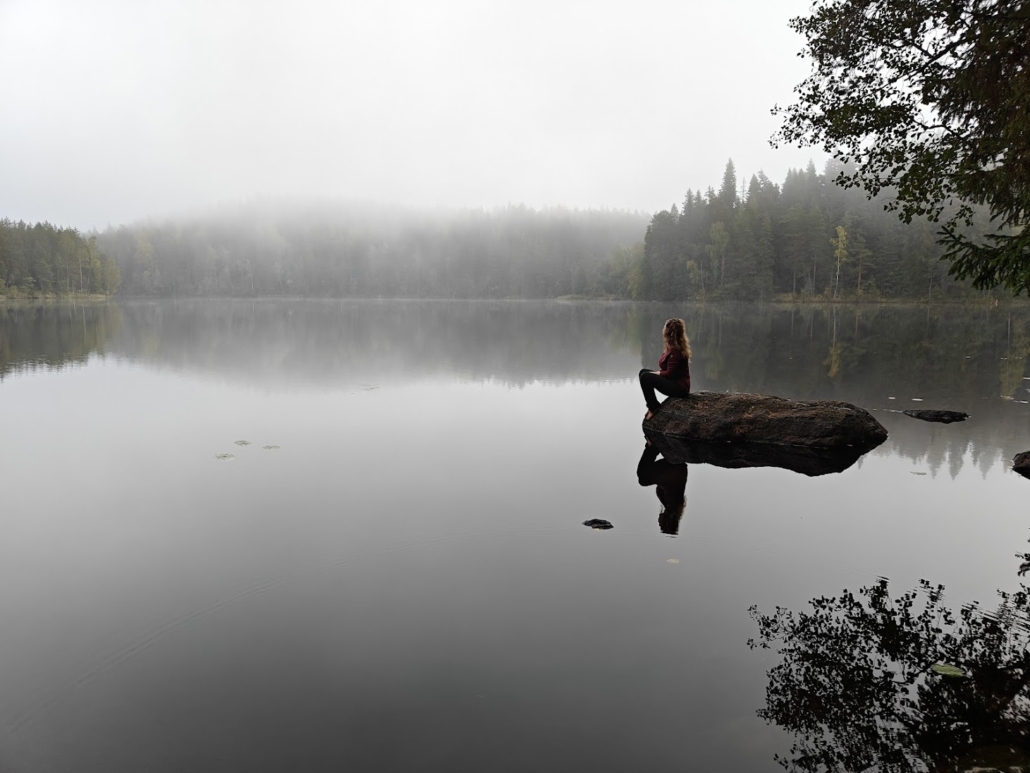
Is Water the Secret to Happiness in the Land of a Thousand Lakes?
Finland has once again, for the ninth consecutive year, claimed the top spot in the World Happiness Report. While there are many contributing factors—such as high life expectancy, a profound sense of freedom, safety, and low levels of corruption—could one explanation lie in our country’s vast and abundant waters?
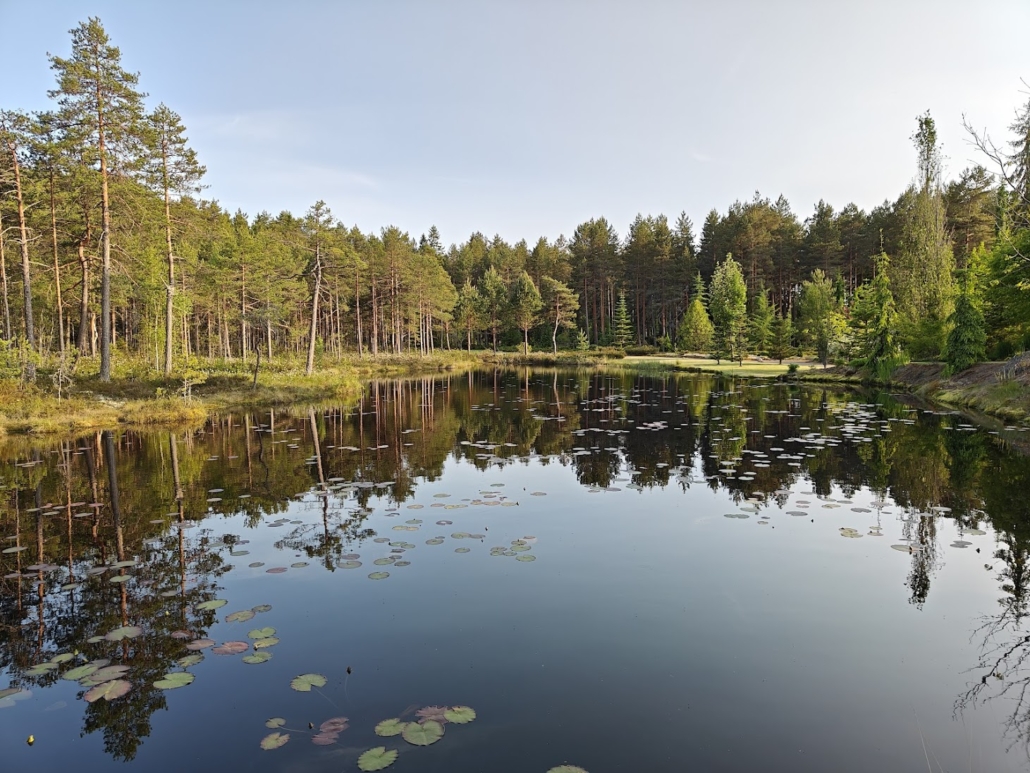
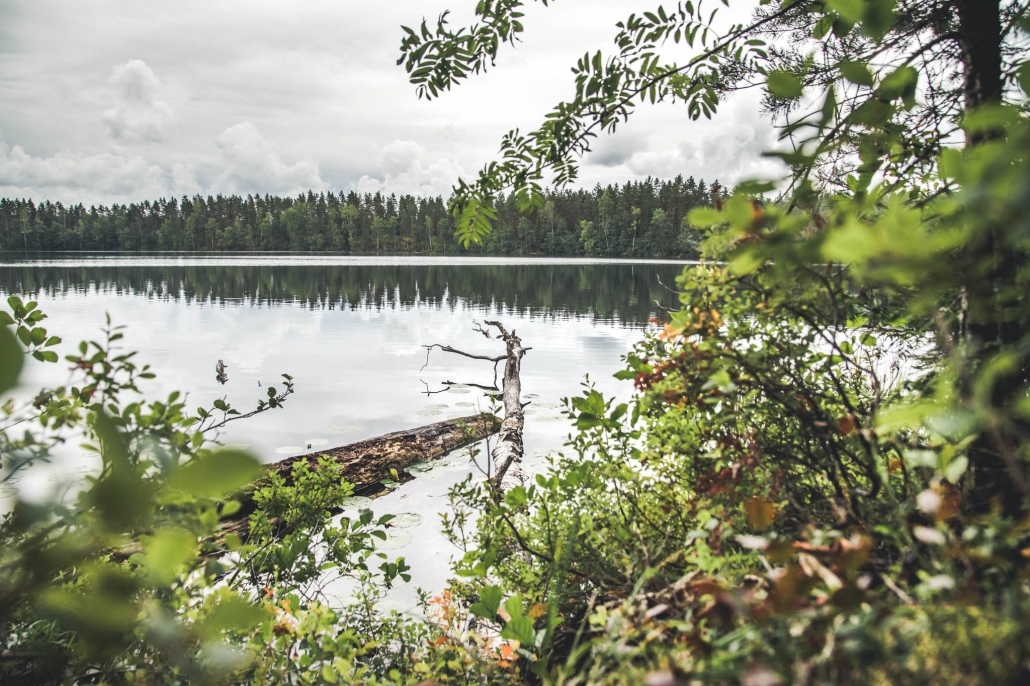
The continental ice sheet left Finns quite a gift as it melted and retreated approximately 10,000 years ago. Although many of our lakes have turned into swamplands over the millennia, an almost inconceivable amount of water remains. Finland is modestly called the “Land of a Thousand Lakes,” but in reality, if you count every lake larger than one hectare, the number reaches 56,000. If we include smaller ponds over five ares, the count jumps to nearly 190,000. When you add our extensive Baltic Sea coastline (spanning 46,200 kilometers) and our many rivers—the longest being the Kemijoki at 550 km—it is safe to say that Finland is never short on waterfront views.
A Culture Defined by the Shoreline
Many Finns own a cottage by a lake—often a small, humble summer retreat where one can briefly escape the obligations of daily life. Even those without a private cottage find their way to the water, whether in a motorhome, by visiting public beaches, or by walking along coastal promenades. Our countless nature trails often skirt the water’s edge, featuring rest stops positioned at the most scenic viewpoints.
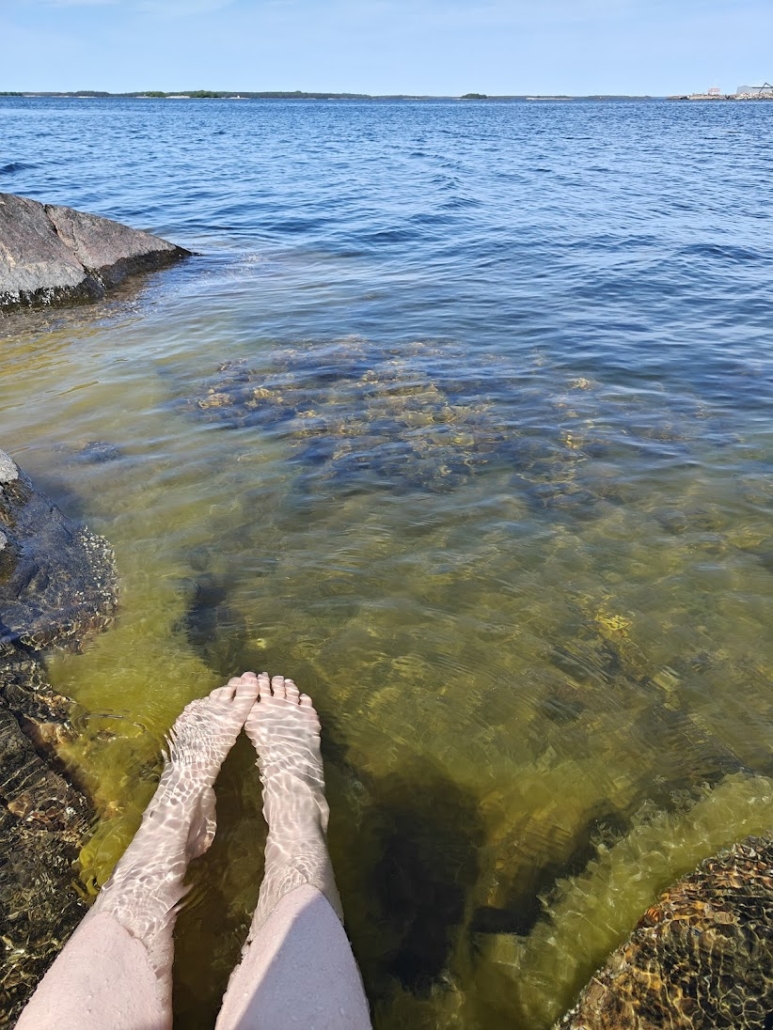
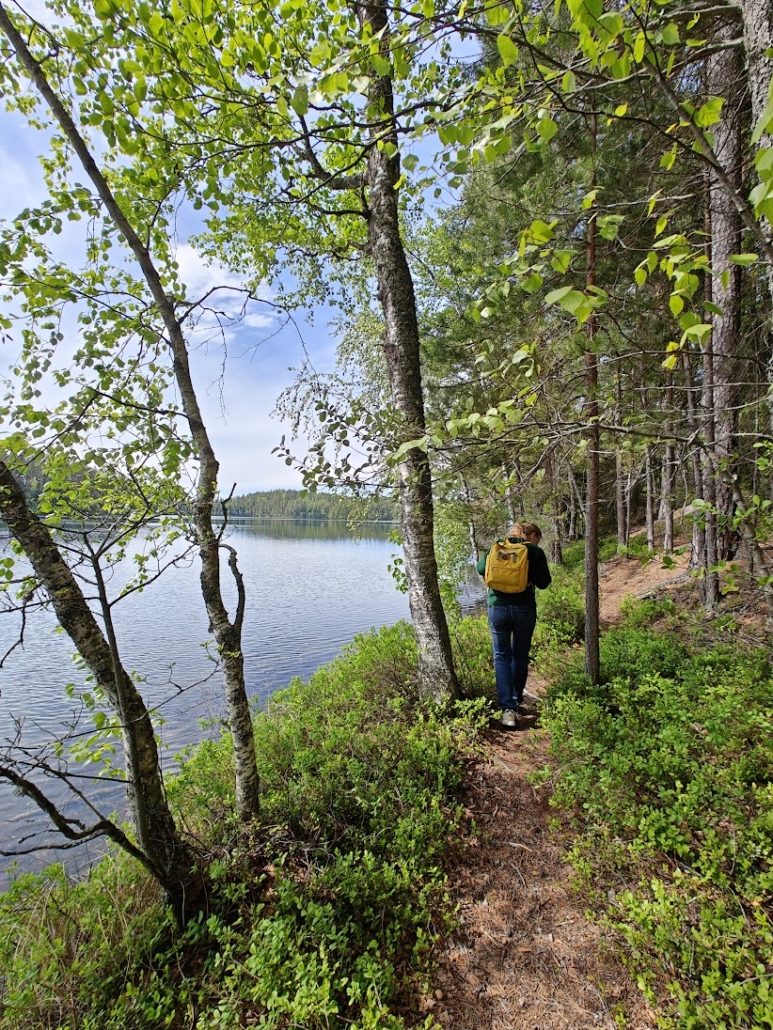
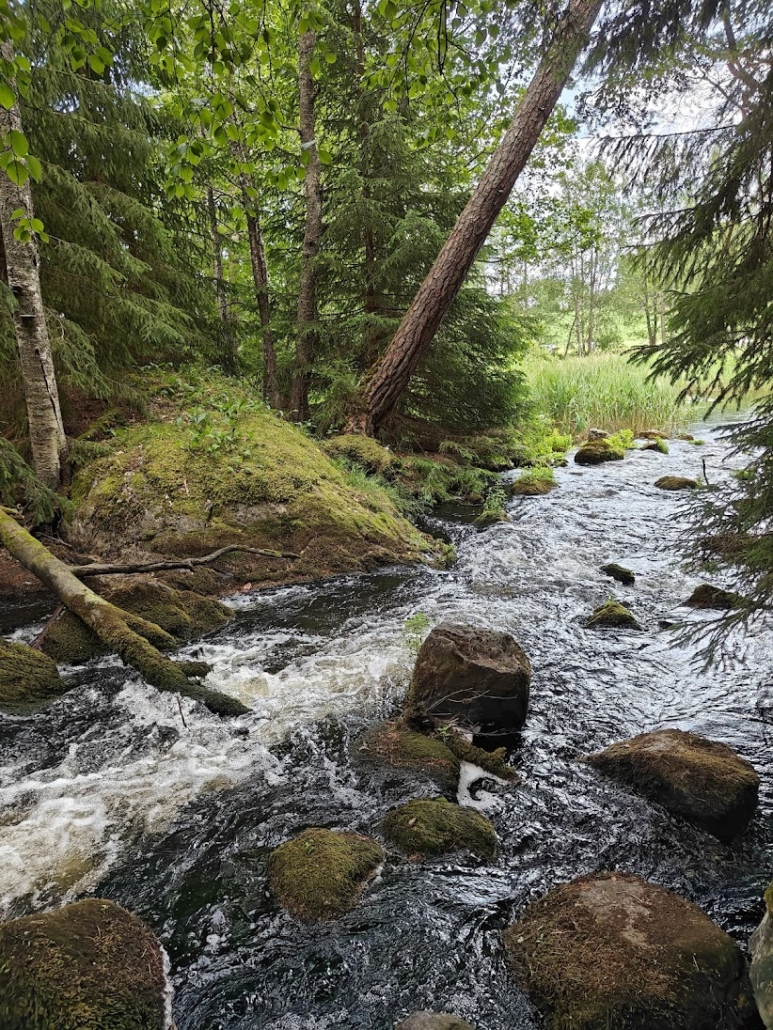
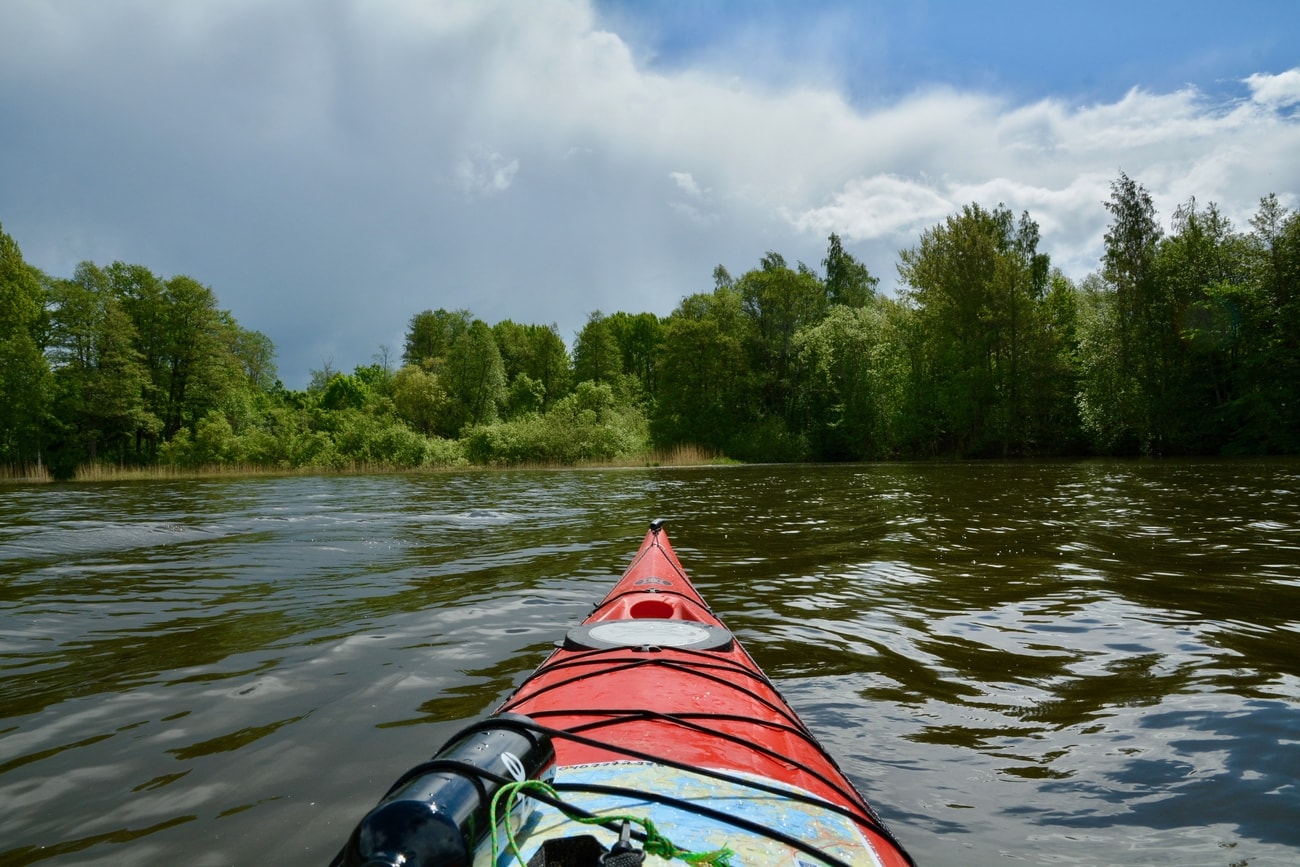
Among outdoor enthusiasts, SUP boarding and kayaking have become incredibly popular, though traditional canoeing and packrafting remain staples of the Finnish trekking scene. My own favorite ways to enjoy our waters include snorkeling, ice swimming, and simply pausing by forest brooks and rushing rapids.
The Science of Blue Health
Over the past decade, researchers across Europe have investigated the link between aquatic environments and human health through the EU-wide BlueHealth project. The findings closely mirror what we have previously heard about the “forest effect.” They confirm a feeling that is familiar to me, and likely to you: spending time by the water, be it the vast sea or a tiny stream, simply makes us feel better.
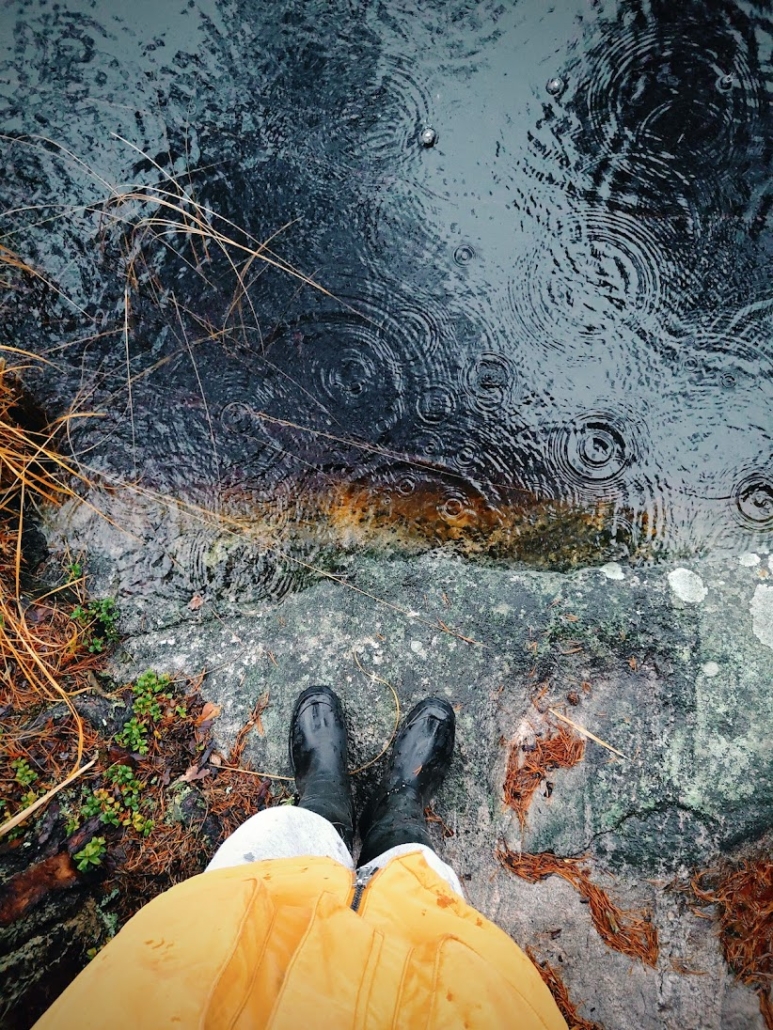
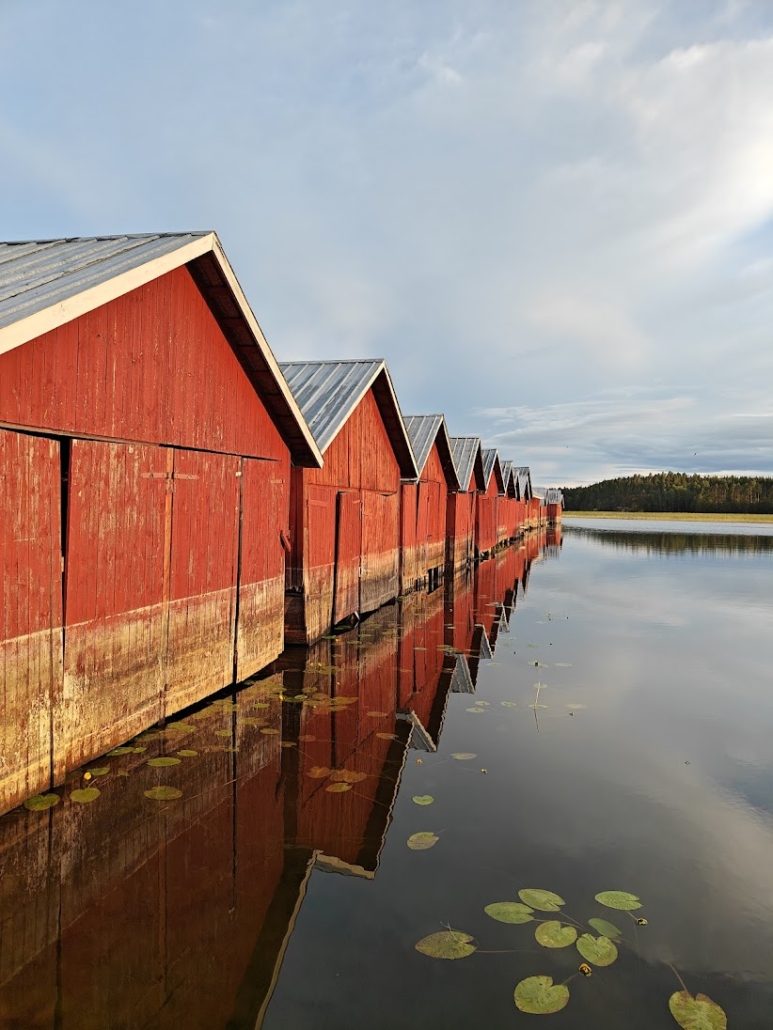
Time spent by the water lifts our mood, reduces stress, encourages physical activity, and connects us to something deeper. It directly supports both mental and physical wellbeing. It is no wonder that watching and listening to the lapping waves feels so meditative and relaxing. As we settle into this environment, levels of the stress hormone cortisol drop, the parasympathetic nervous system activates, and our bodies naturally begin to calm down. The release of feel-good brain chemicals—dopamine, serotonin, and oxytocin—is enhanced. Water also acts as a natural invitation to move; it is far more tempting to go for a walk or a bike ride in a lakeside landscape than in a dry “concrete jungle.”
Building Resilience from Childhood
A 2022 study further showed that proximity to water during childhood carries benefits well into adulthood. Specifically, individuals who spent time near water as children reported significantly better mental wellbeing as adults. In Finland, where a local lake or beach is usually just around the corner, it is only natural for families to head to the shore for leisure and play. Many of our natural beaches have designated shallow areas for children, alongside piers, diving towers, and plenty of sand for building castles.
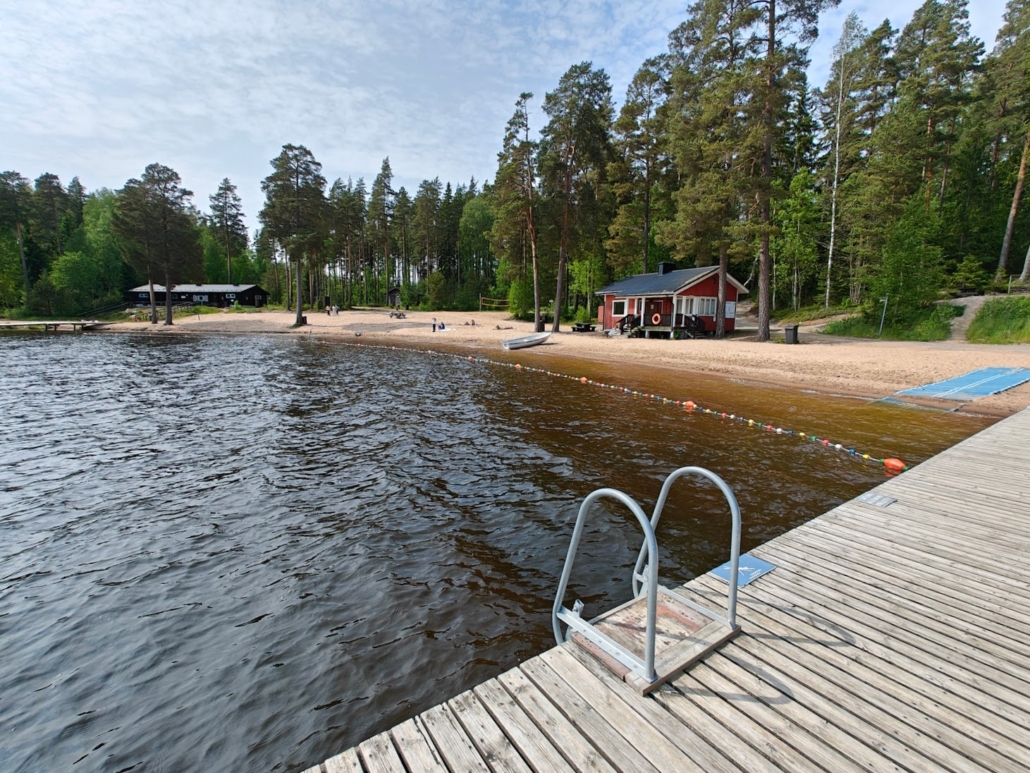
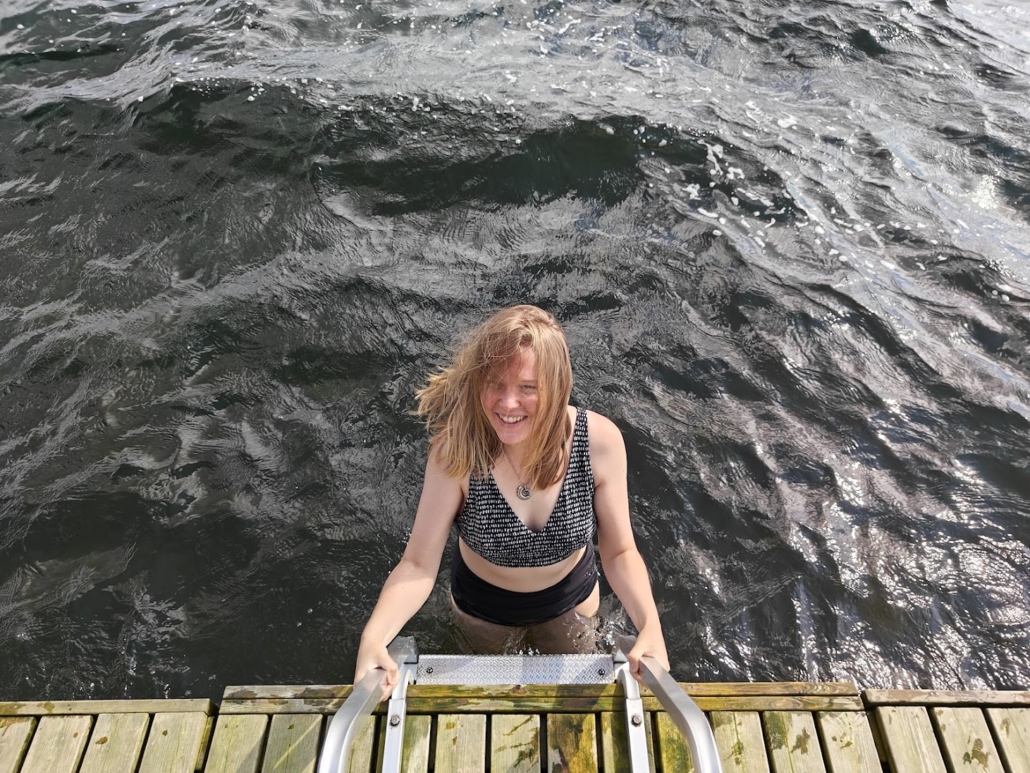
In my experience, the relationship formed with natural waters and nature in general during childhood is a major reason why Finns, as adults, know to seek out nature when stressed. Whether it’s walking along a shoreline path or swimming in natural waters—even in the winter—this “nature bathing” is often a given for us. According to research, this safe and supported exposure to nature in childhood can be a lifelong investment in mental health.
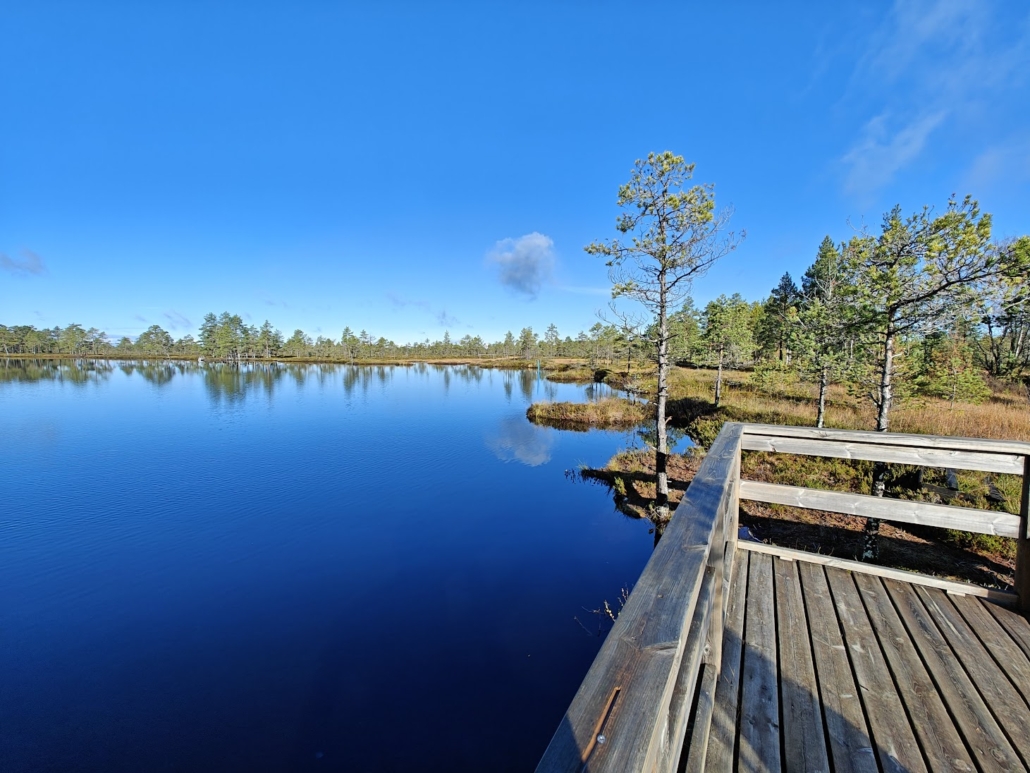
What do you think? How much of Finnish happiness can be explained by our abundance of water and forest, and the fact that our uncomplicated relationship with nature begins the moment we are born?
Mind you, even though Finland is indeed the happiest nation on Earth in 2026 and science backs the benefits of blue spaces, the connection I’ve drawn between our many lakes and our national happiness is just my own personal reflection as a layperson.
Read next
Caring for Mental Health in Nature: A Trip to the Baltic Sea’s Coastal Cliffs in Inkoo
Related Content


Leave a Reply
Want to join the discussion?Feel free to contribute!