
Spring’s Here: Wild Herb Season Kicks Off
Wild herbs are one cornerstone of Finland’s deep-rooted connection to nature. Foraging and eating these plants isn’t just a modern trend, but a continuation of traditional Finnish practices. Here’s a beginner’s guide, covering why Finns love wild herbs, where to gather them (and how to do it responsibly), and simple introductions to four of the most popular species.
Why Finns Forage Wild Herbs
Wild herbs are celebrated as local food at its best. The Finnish countryside offers an astounding variety of edible plants whose flavors and nutrient profiles often surpass those of their cultivated counterparts. Many of these species are richer in vitamins, minerals and antioxidants than supermarket greens, and foraging them connects you directly to the seasons and the land.
Wild herbs are also a lazy gardener’s dream: they thrive on their own, and while some less informed people might dismiss them as weeds and try to weed them out of their gardens, the wiser ones know how to turn them into food and enjoy their abundance without a single drop of extra effort!

Where (and Where Not) to Gather
In Finland, you must have permission from the landowner before harvesting wild plants. To forage responsibly:
- Obtain permission: Always ask the landowner before you begin.
- Avoid polluted sites: Steer clear of roadsides, industrial zones or areas near heavy agriculture, as roadside herbs can accumulate harmful pollutants. Instead, look for clean meadows and forest edges.
- Respect protected areas: Never pick in national parks or designated nature reserves, where unique ecosystems are preserved under stricter rules.
- Harvest sustainably: Take only what you need, snip shoots and leaves rather than uprooting entire plants, and leave plenty behind so populations can regenerate.
Tip for visitors without a private yard
If you’re visiting Finland and don’t have your own garden or cottage plot, a great way to experience wild herb foraging is through a guided tour. In spring and early summer, many towns and nature centres offer one- or two-hour excursions led by experts. You’ll learn to identify and harvest safely, and you’ll enjoy tips on preparing your haul afterward—all without worrying about land-use permissions yourself.
Four Finnish Favorites
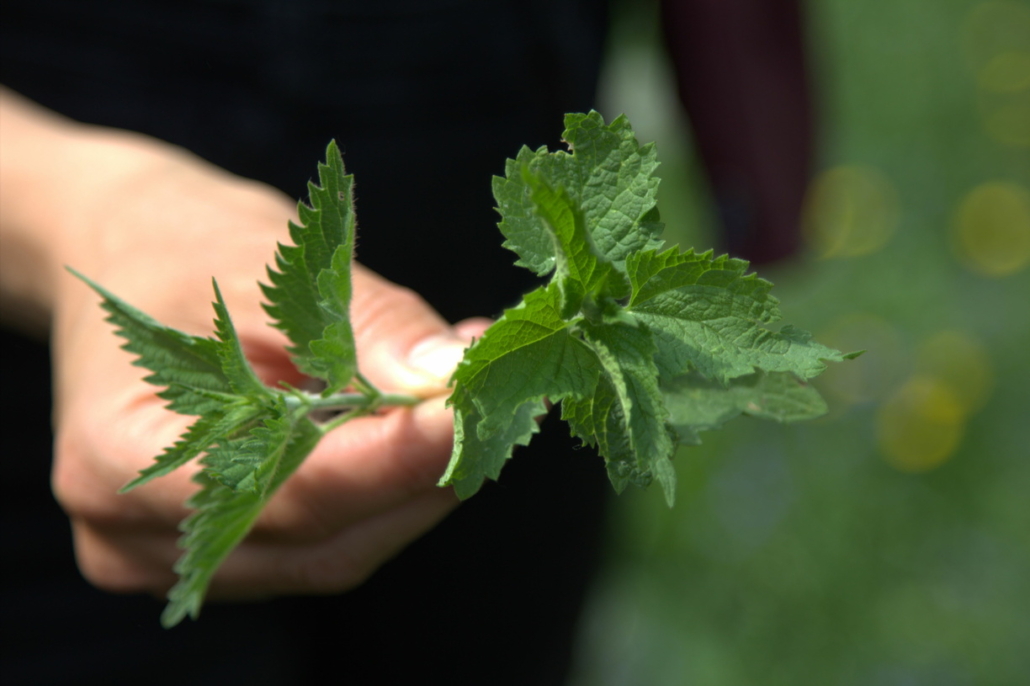
1. Stinging Nettle (Urtica dioica)
Often feared for its sting, nettle is actually one of Finland’s most prized wild greens:
- When & where: Young shoots and leaves in spring and early summer, commonly along forest margins and gardens.
- Nutrition: Remarkably high in vitamin C (175–200 mg/100 g) compared to spinach’s 45 mg, plus carotenoids and various minerals.
- Preparation:
- Blanch in boiling water for a few minutes to neutralize the stinging hairs, then use like spinach—in soups, omelets, pestos or breads.
- You can add nettle directly into a smoothie, for example alongside bananas and almond milk. Just blend it up and enjoy!
- Dry or freeze for longer storage.
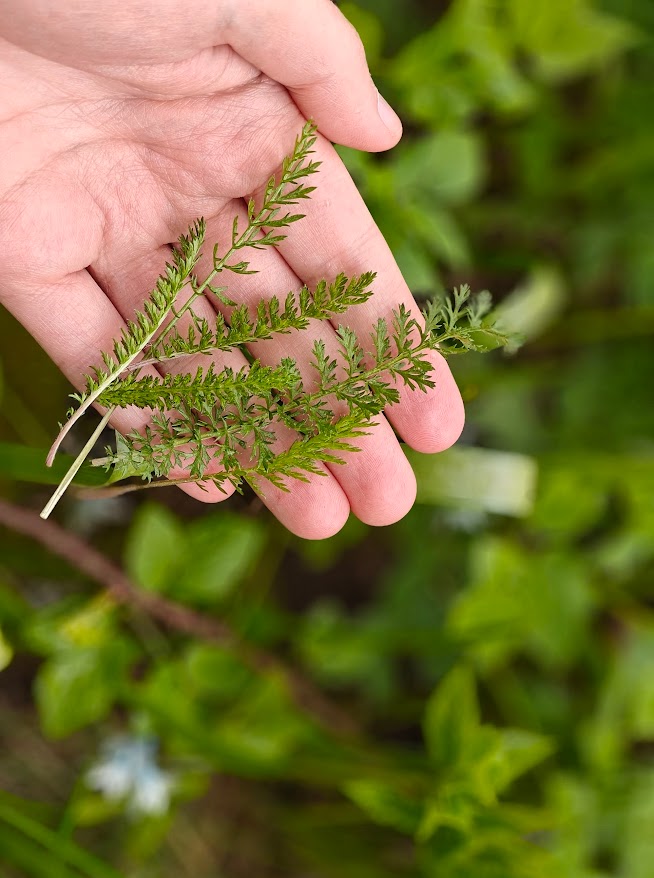
2. Common Yarrow (Achillea millefolium)
A perennial with delicate white flower clusters and feathery leaves:
- Appearance: Low mats with lacy, serrated leaves and flat-topped flower heads.
- Edible uses: Young leaves have a mild bitterness and can be eaten raw in salads or lightly cooked; flowers and leaves steep into a fragrant, slightly bitter tea.
- When to harvest: Best in early summer before the plant flowers fully, when flavor is at its peak.
3. Ground Elder (Aegopodium podagraria)
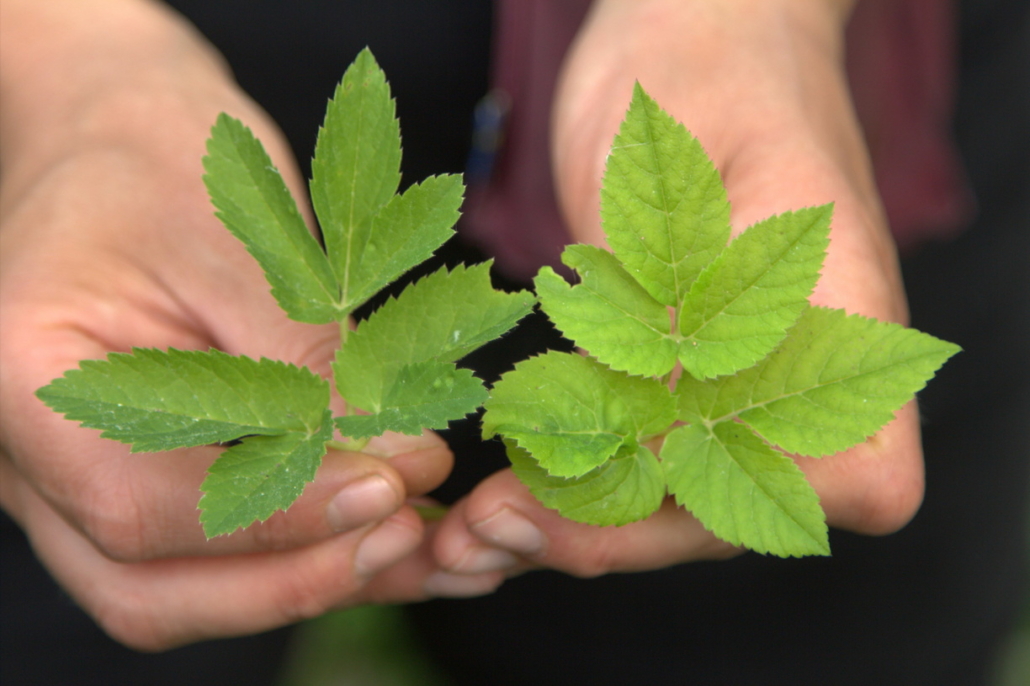
Often dismissed as a garden nuisance, ground elder is actually a tender, tasty green:
- Where it grows: Common in Southern Finland—in gardens, yards and shaded forest groves.
- How to identify: Three-part leaves and sparse white, umbrella-like flower clusters. Be cautious—similar-looking species (e.g., poison hemlock) are toxic.
- Culinary tip: Harvest the young, bright green rosettes in spring when they’re just unfurling; use raw in salads or briefly blanch before adding to soups, stews and pancakes.
4. Dandelion (Taraxacum officinale)
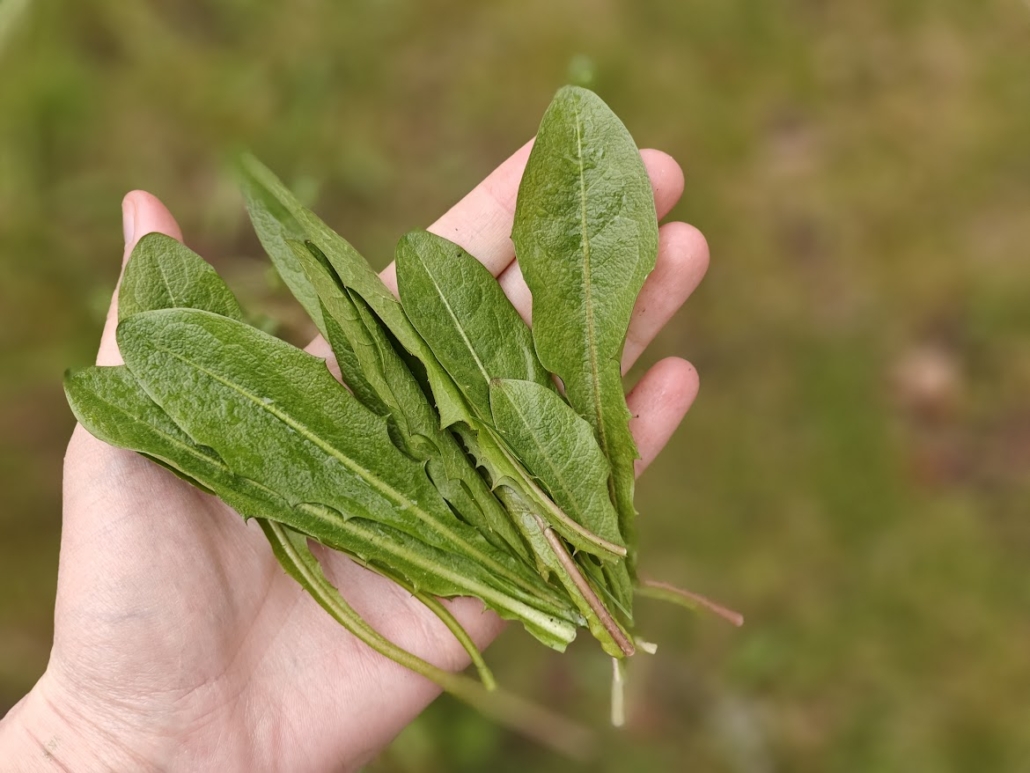
A symbol of spring, dandelions are truly “root-to-tip” edible:
- Nutritional value: Rich in vitamins A, C and K, plus minerals like potassium.
- What to gather:
- Leaves: Best when young and tender; add raw to salads or wilt like spinach.
- Flowers: Blossoms can be battered and fried, marinated, or used to flavor beverages.
- Roots: Roasted and ground as a coffee substitute or added to stews for earthy depth.
- Harvest tips: Choose plants from clean meadows or lawns—avoid older, bitter leaves later in the season.
Tuulia’s Wild Herb Smoothie Recipe
Tuulia works in customer service at the Finnish Nature Centre Haltia in Nuuksio, Espoo — just a stone’s throw from Helsinki. Tuulia is a true Indiana Jones of wild herbs, unfazed even by stinging nettles. While most Finns tie their sauna whisks from birch branches or, at most, juniper, Tuulia boldly makes hers from nettles!
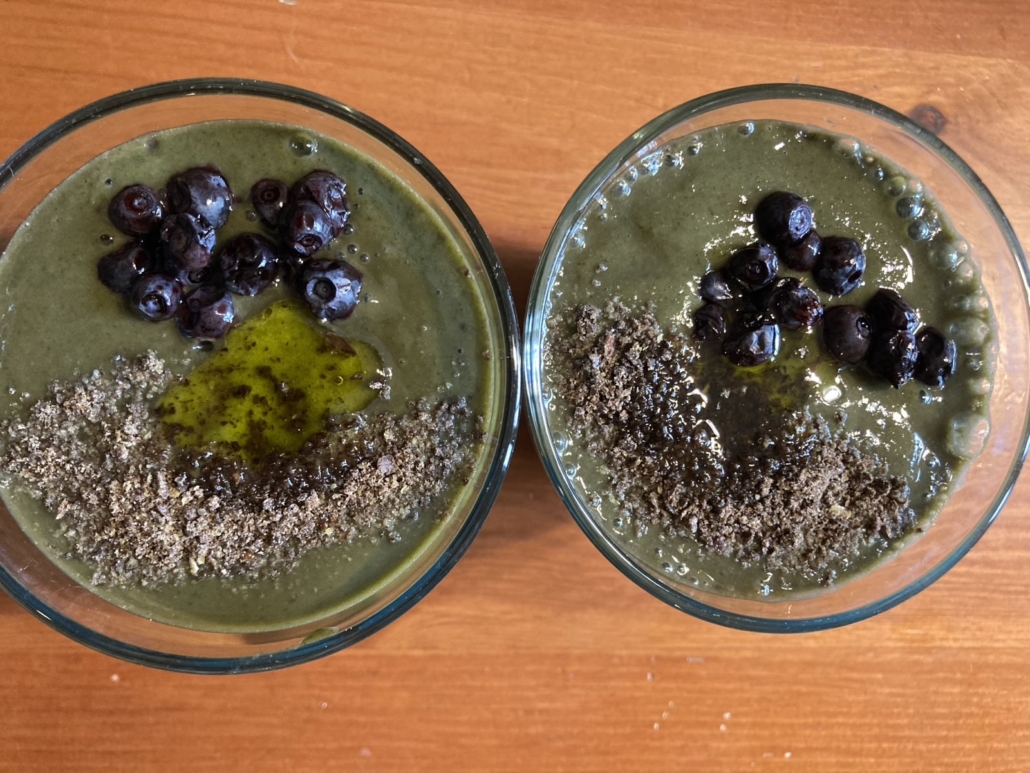
Here’s an easy and quick smoothie recipe, perfect for beginners — Tuulia style:
- Gather a loose handful of the following wild herbs:
- ground elder
- yarrow
- and nettle.
- Place the herbs in a blender and add
- banana
- and almond milk.
- Blend until smooth. You can adjust the amount of almond milk to make the smoothie as thick or thin as you like.
- Finish off the smoothie by adding
- ground flaxseed
- cold-pressed olive oil
- and blueberries.
With respect for landowners, sustainable harvesting practices, and perhaps the guidance of an expert on a foray, you’ll discover why foraging remains such a beloved Finnish pastime. Happy gathering!
Read next
These are 8 delicious berries that Finns pop into their mouths in the wild, and you can do the same
Wild berries of the north are real superfood
A Guide for Nature Enthusiasts: 10+1 Must-Try Experiences for Exploring Finnish Nature
Related Content




Leave a Reply
Want to join the discussion?Feel free to contribute!