
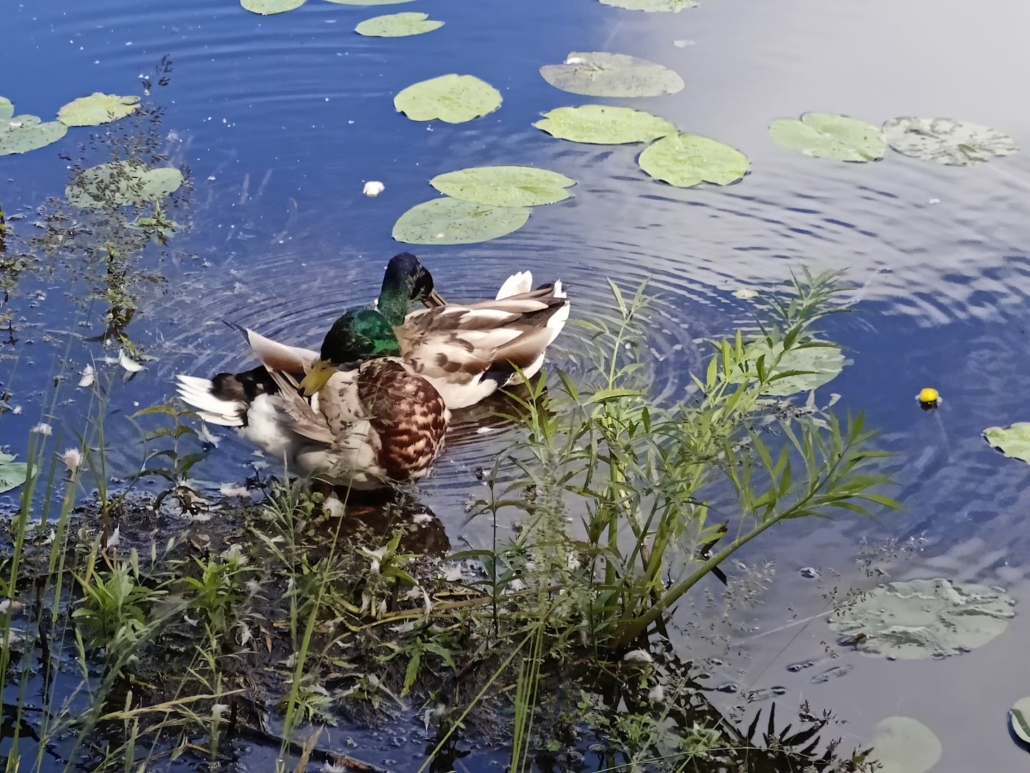
Finns love birds – how to start birdwatching
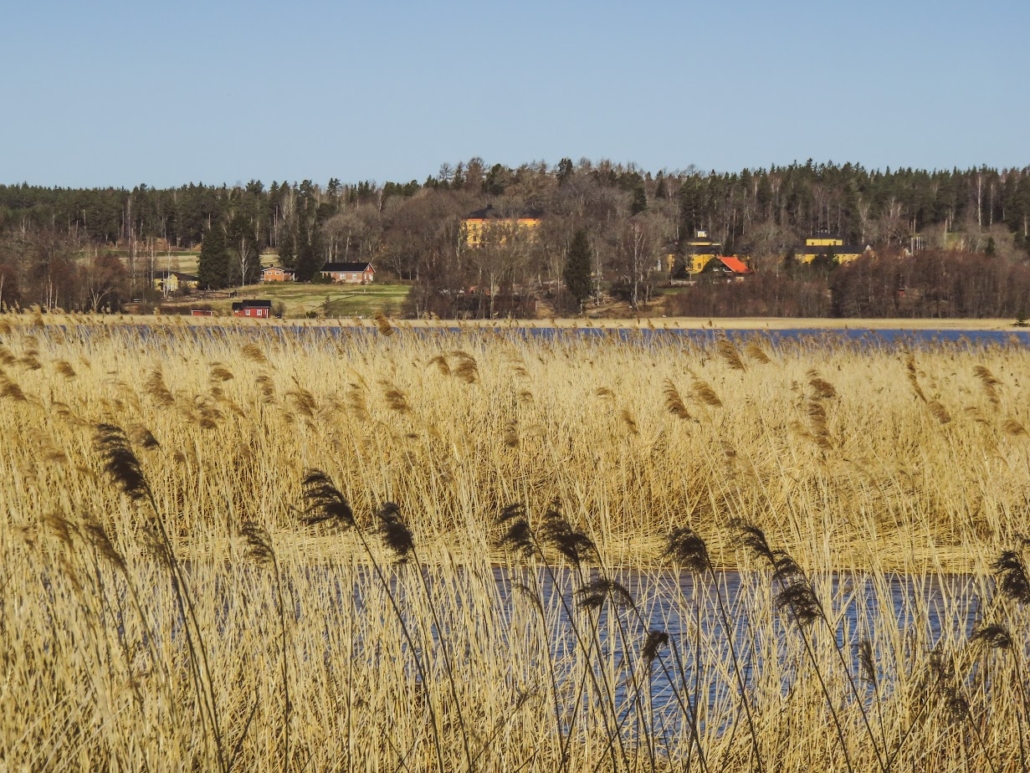
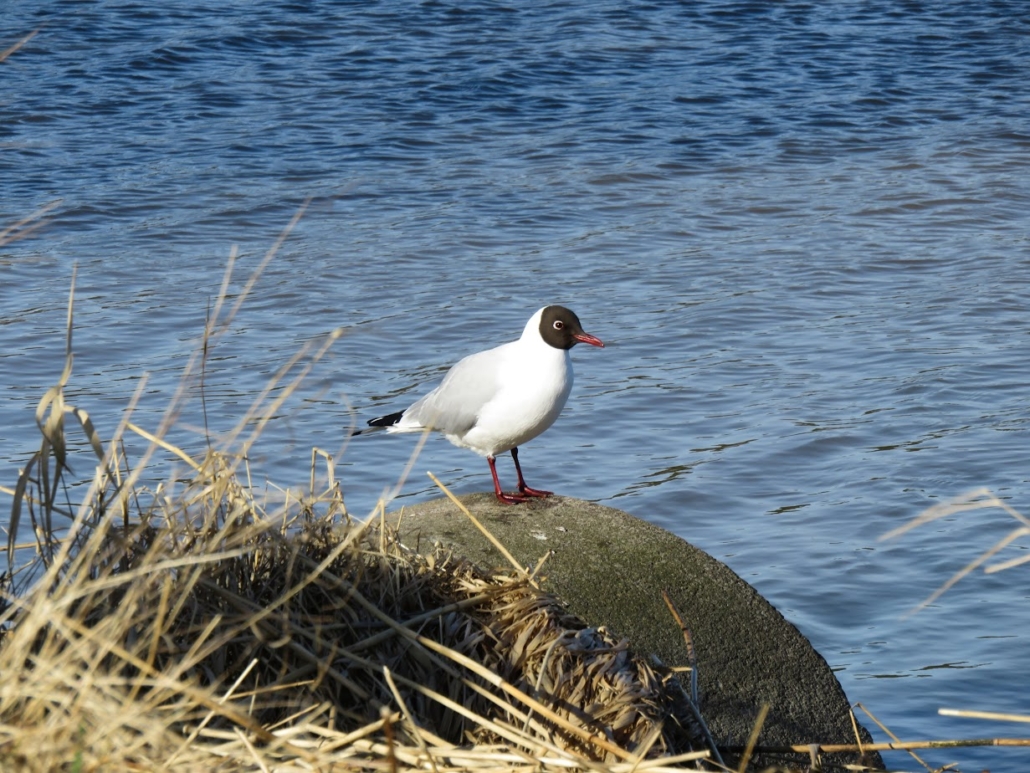
The sun peeks out from behind the bay, and the crisp morning air is filled with the intense raucous calls of a black-headed gull colony. Up in the bird tower, a couple of spotting scopes are already visible with birders in tow – the crack of dawn is the best time for birdwatching. The photos in this article are from Halikonlahti in Salo, but you can apply the following tips for inspiration on your birding trip anywhere in Finland. Now is the best time to spot birds and learn to identify new species!
Finns are an enthusiastic nation of birders. At its most common, birdwatching takes the form of winter bird feeding, which is a pleasure to observe from one’s own window. However, many go even further, heading out to sea and lake bays with binoculars or even spotting scopes in hand. Finns are also keen to report their unusual bird sightings, and as a result, there is an immense amount of data on Finland’s birdlife—partly thanks to these active citizens.
Notice right from the start that birdwatching doesn’t have to be serious. If you enjoy observing birds, you are already, in a way, a real birdwatcher, even if you only recognize a fraction of the species so far. Don’t let yourself feel intimidated by those passionate birders who are ready to drop their jobs, families, and even their home country to see an incredible rarity with their own eyes. Even casual birdwatching can be an extremely enjoyable pastime that constantly teaches you something new.
Why is spring the best time to start birdwatching?
Spring migration is a heady time for both birds and birdwatchers alike. After winter, species after species returns from the south to the north, making it very likely that you will see new species on every single outing. In the spring, especially on weekend mornings, you are also likely to encounter experienced birders at good birding sites, and you can ask them for extra tips on observing birds at that specific location.
Recording observations in a field notebook (see equipment list below) is very rewarding, especially when you get to jot down a species you haven’t consciously seen or identified before. This is a fun and motivating way to learn to recognize new species.
At this time of spring, the vegetation hasn’t started to green up yet, so birds engaged in migration, courtship, and nest-building are easier to spot than in the summer, when they live more inconspicuously amidst the foliage.
One shouldn’t forget that after winter, the bright mornings and nature waking up are a captivatingly wonderful and refreshing experience. Whether you head out into nature on a day off for the birds or just for the sake of it, it is a great pleasure.
Where should you go birdwatching?
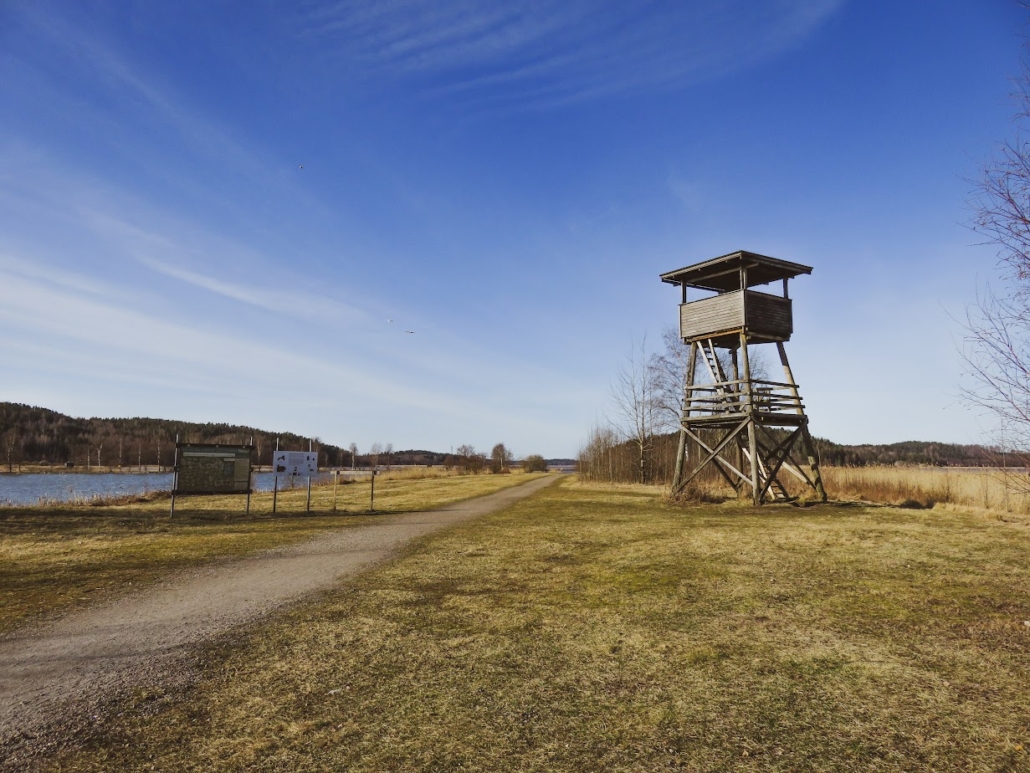
Birds live practically everywhere, and you can observe them anywhere. However, if your goal is to see as many species as possible and enjoy your trip for a bit longer, it’s worth choosing specific types of locations. Here are the hallmarks of an excellent birding spot:
- Varied habitat: a relatively small area that offers wetlands, fields, reed beds, thickets, and bodies of water, such as a sea or lake bay.
- A sufficiently large area where you can move around and observe from different vantage points.
- Bird tower or observation platform: good visibility in different directions. Some platforms also offer accessible entry, which is a lovely option if you bring grandparents along. Ascents to bird towers are often very steep.
- Migration route or feeding area: a place where birds stop over or nest. Thawed wetlands, bodies of water with coastal reeds, and nearby fields are rich environments for waders, waterfowl (including geese and swans), and many small birds.
- Easy accessibility: it’s more pleasant to set out early in the morning when the destination isn’t far from home. I recommend checking out sites in your own local area.
- Quiet location where traffic or other noise doesn’t disturb the enjoyment of natural peace.
- Signage and trail markings – for example, bird identification boards are fascinating to study if your own identification skills are still a bit lacking. The boards are also fun to look at with children.
What is the best time of day to go on a birding trip?
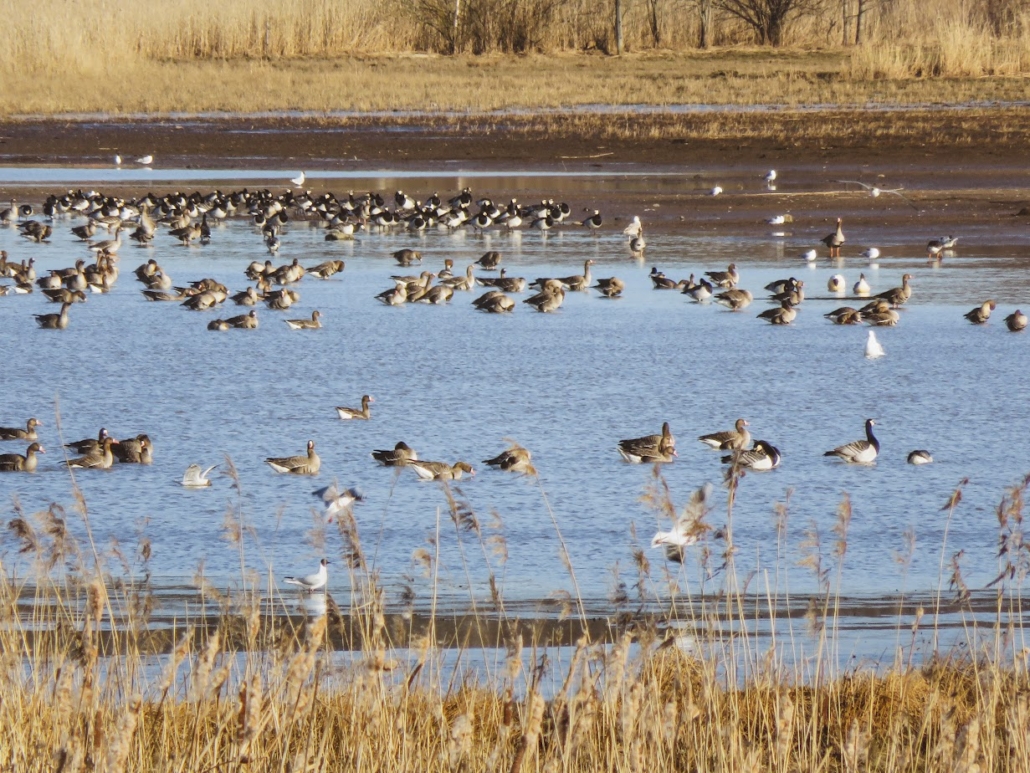
Birds are at their most active in the morning, searching for food and defending their territories. You will notice the difference clearly when you visit the same place at different times of the day.
A morning birding trip is also a pleasant moment for a person. By bringing along good and plentiful breakfast supplies with treats, you transform a simple birding trip into a wonderful breakfast outing that brings variety to the week, takes your mind off the hustle and bustle of everyday life, and allows you to enjoy nature and its beneficial health effects.
However, remember to also take a spring evening walk in a deciduous grove. There you can enjoy a very special, sheltered, and safe atmosphere while thrushes warble and wood pigeons coo.
What equipment is needed for a birding trip?
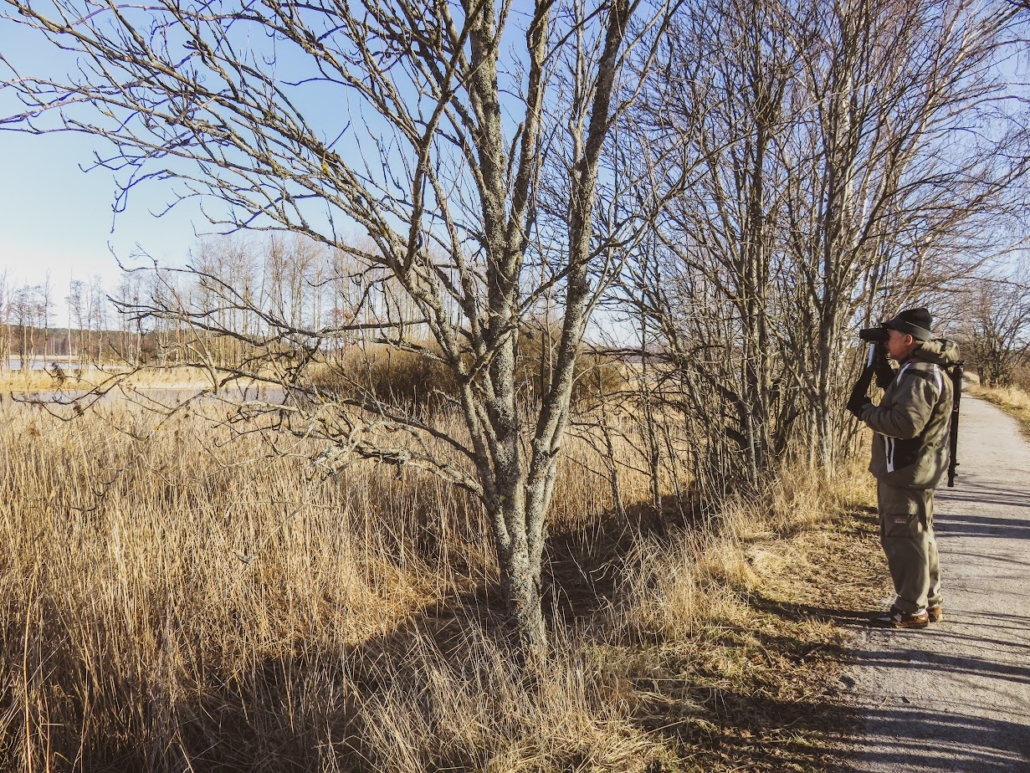
You don’t need to purchase special equipment for a spring birding trip; you’ll likely do just fine with the gear already in your closet, unless you fall for birdwatching completely. Here are the most important items I would recommend taking along:
Good binoculars
With binoculars, you get significantly more out of your birding trip. They don’t have to be super expensive to be useful, but unfortunately, shops often carry cheap binoculars that are more like toys than proper observation tools. After a short while of using them, you’d literally want to throw them away! Instead of buying those—so your money doesn’t go to waste—I would recommend borrowing a decent pair of binoculars from a friend or family member, or even better, inviting them along so you get both the binoculars and great company for birdwatching.
Weather-appropriate clothing
When observing birds, you often stand still for long periods, which makes you feel the chill quickly, even if the spring air feels relatively warm while moving. Layering is key: a base layer, a warm mid-layer, and a windproof/waterproof outer layer are a good combination. Also, gloves and a beanie are very necessary well into the spring – especially early in the morning by the water.
Field notebook and pen
Recording bird sightings helps you learn and remember species. Based on my own observations, birdwatchers are a very friendly bunch who are happy to talk about birds to anyone interested. So, if you need help with identification and see a dedicated-looking birder nearby, ask politely for help, and then record the species in your notebook. In addition to the date and species, you can note the location, weather conditions, and any other observations, such as what the bird was doing or if you saw other animals. Over time, your entries will form your own birding diary, which is nice to browse and compare past sightings with the current spring.
Bird book or identification app
A good bird book or mobile app helps you compare pictures, sounds, and identifying features. Apps like Merlin Bird ID are handy tools for the modern bird observer.
It’s worth picking up a bird book from the library with the idea that a guide for all of Europe is unnecessary and heavy to lug around – a book featuring the birds of Finland is quite enough. It’s easier and faster for a beginner to find exactly those species that are realistic or at least likely to be seen in Finland.
Sitting mat
It’s nice to stop during the trip, and having a warm mat under your seat is a true luxury. A lightweight and easily packable mat can be carried in the side pocket of a backpack.
Snack tips
It’s worth planning your birding trip snacks in advance so that they are easy to eat, keep well, and are practical for situations where a campfire site might not be available or its use is prohibited due to spring wildfire warnings. If the destination doesn’t have a picnic table, choose snacks that are easy to eat without utensils: sandwiches, rolls, filled wraps, dried fruits, granola bars, or pre-cut vegetables and fruits are great choices. Drinks can be packed in bottles and thermoses.
Definitely remember the treats too – for the undersigned, it would be hot coffee in a thermos and some lovely bun or a donut. The longer and more peaceful snack break you take at a good birding site, the more time you’ll have to observe birds and enjoy being in nature and the fresh air in general.
Remember these points of snack etiquette
Respect wildfire warnings: spring is often dry, and when a regional wildfire warning is in effect, making an open fire is prohibited even at marked fire pits.
Leave no trace: all trash and bio-waste should be packed back into your bag and taken out of nature for recycling. This is most easily handled if you pack your snacks in reusable containers and bottles at home, so you don’t have to deal with trash on the trip. For example, a great trash-free alternative to a juice box is juice poured into a reusable bottle.
In a bird tower, the purpose is to observe birds and give other users peace for observation. If there are no other people around, it can be nice to enjoy thermos coffee and perhaps other snacks neatly and without leaving trash, but the tower should not be taken over as a personal break area.
How to learn to identify birds?
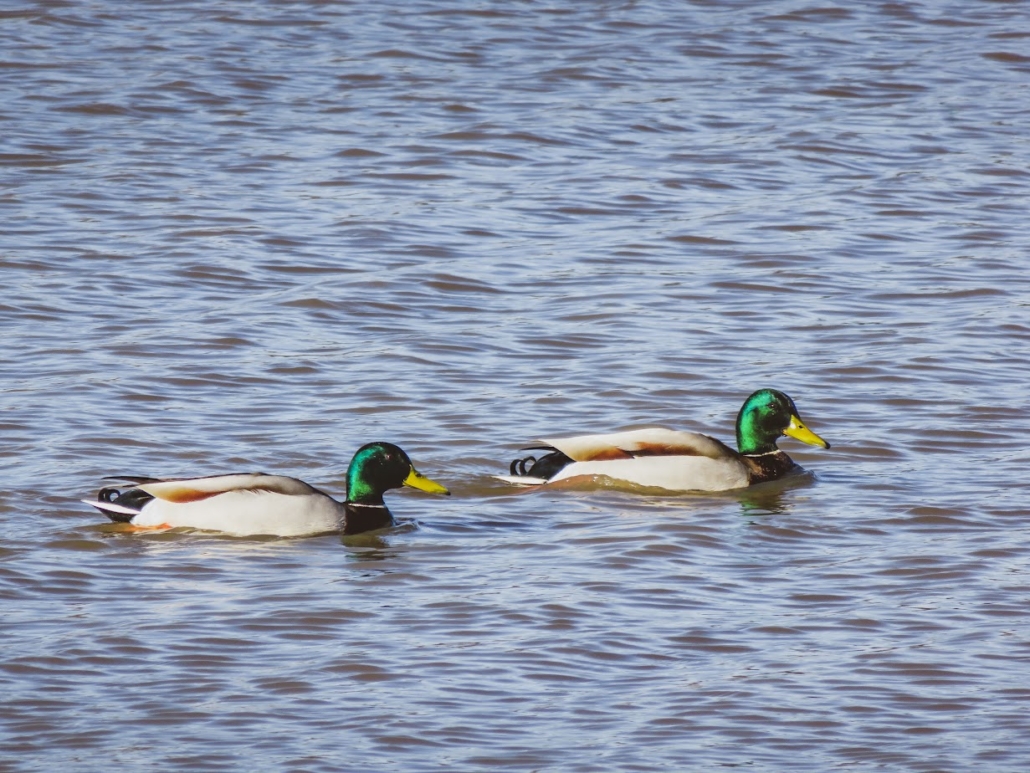
Identifying birds can feel difficult at first when it seems that all winged creatures look the same and differ only in size. However, learning is rewarding when you maintain your curiosity and are kind to yourself. It’s worth learning a few common species first and paying attention to the features by which you identify these specific birds. By studying species already familiar to you—for many people, these might be the bullfinch, magpie, swan, and wagtail—you learn to pay attention to bird characteristics such as:
- size
- coloration
- flight style
- beak shape
- silhouette – length and shape of the tail, wings, legs, and neck
The bird’s habitat also often provides useful clues for identification – is it moving in a tree, a reed bed, a field, or in the water? To put it bluntly, this means that if you think you see an owl swimming or a diver at the top of a pine tree, they probably aren’t an owl and a diver.
Once you have mapped the above-mentioned features of birds familiar to you, you can begin to learn new birds species by species, paying attention to these same factors. Over time, you will develop to the point where a very quick glance, sometimes even an observation made out of the corner of your eye, is enough for you to likely identify certain species correctly. Also, the more you observe birds, the more you will start to notice them everywhere you go.
In the spring, many guided birding trips are also organized, which are worth participating in. Wishing you pleasant spring moments among the birds!
This article has been translated by AI and may contain errors.
Read also
Spring’s Here: Wild Herb Season Kicks Off
The best time to spot the most Finnish creature, the Saimaa Ringed Seal, is just around the corner!
Related Content




Leave a Reply
Want to join the discussion?Feel free to contribute!