
The Finnish Secret: Embracing Nature for Better Health
I leap over a ditch from the roadside into the forest. The gentle energy of the trees’ embrace wraps around me in an instant. Although the sound of the road still reaches my ears, an invisible wall—a protective force field—has appeared between me and the mundane human world. On the forest side, with each step, I delve deeper into peace. The grass feels soft under my shoes, and occasionally I have to dodge branches that become ever more invisible in the dimming October afternoon. Moment by moment, I gain more strength—when you want to shake off everyday stress from your shoulders, there’s nothing better than nearby nature.
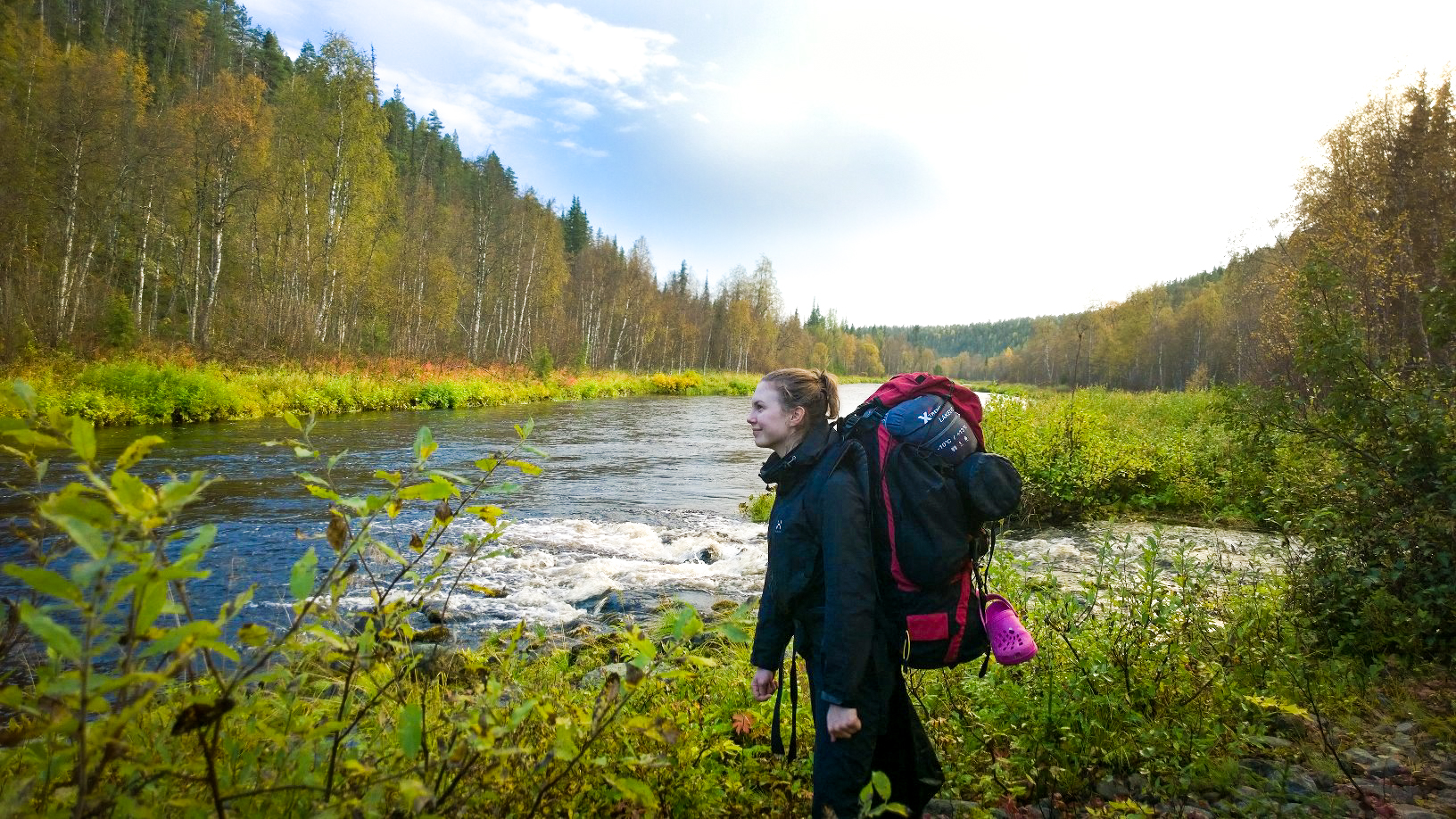
There is a wealth of researched information on the well-being and health benefits of nature. Many of us have surely experienced these effects personally, perhaps even in our daily lives. Thanks to the Everyone’s Right in the Nordic countries, we have the opportunity to step into nature almost anywhere. I speculate that perhaps this is one reason why the Nordic countries have, in recent years, basked among the world’s happiest nations.
The well-being and health benefits that nature provides to humans have been studied in Finland particularly by the Natural Resources Institute Finland (Luke) and Liisa Tyrväinen, as well as by many international researchers.
Below, I list some of the key findings, alongside which I have written in italics my own experiences, accumulated over countless moments spent in Finnish nature. What kind of experiences do you have? How does nature affect you?
1. Stress Decreases
According to research, spending time in nature significantly reduces stress levels. Blood pressure and heart rate calm down, and the amount of the stress hormone cortisol decreases. To achieve this effect, you don’t need to travel to a distant national park for a week; it’s enough to spend time in your nearby nature even as briefly as 15–20 minutes.
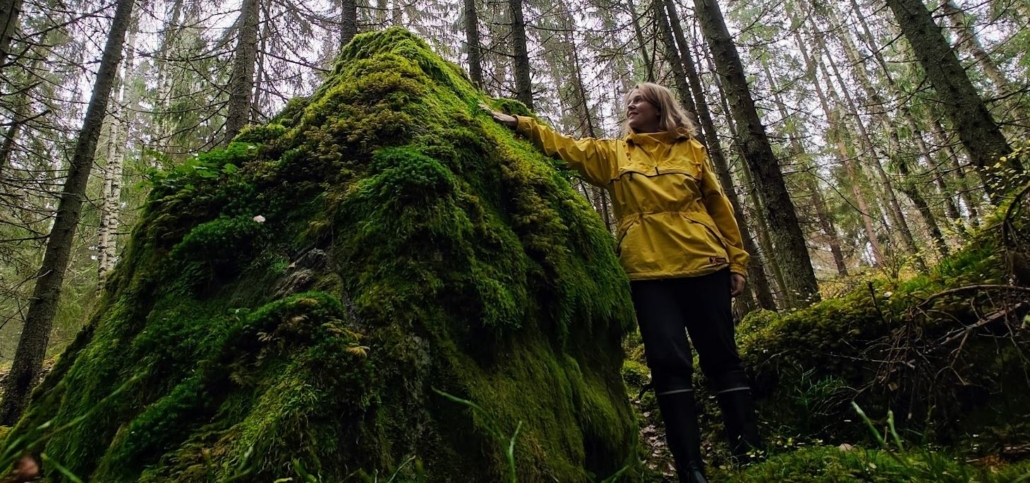
“The noise of traffic gradually fades almost entirely from my ears. I sigh deeply and draw the fresh, moist October air of the spruce forest into my lungs as fully as comfortably possible. I realize I’ve closed my eyes almost unconsciously—it feels so good. The thoughts bouncing around in my head seem to stop and fade away one by one. The unpleasant issue that was bothering me earlier doesn’t seem so big anymore, and I find a solution to it in my mind.”
2. Mood Improves
The human world is full of things that don’t exactly lift your spirits. You can reach a peak of bad mood just by reading the news. From all this, nature offers a restorative hideaway. In urban environments, groves and parks are like oases, like sanctuaries where you can take a break from the hustle and twists of the human world.
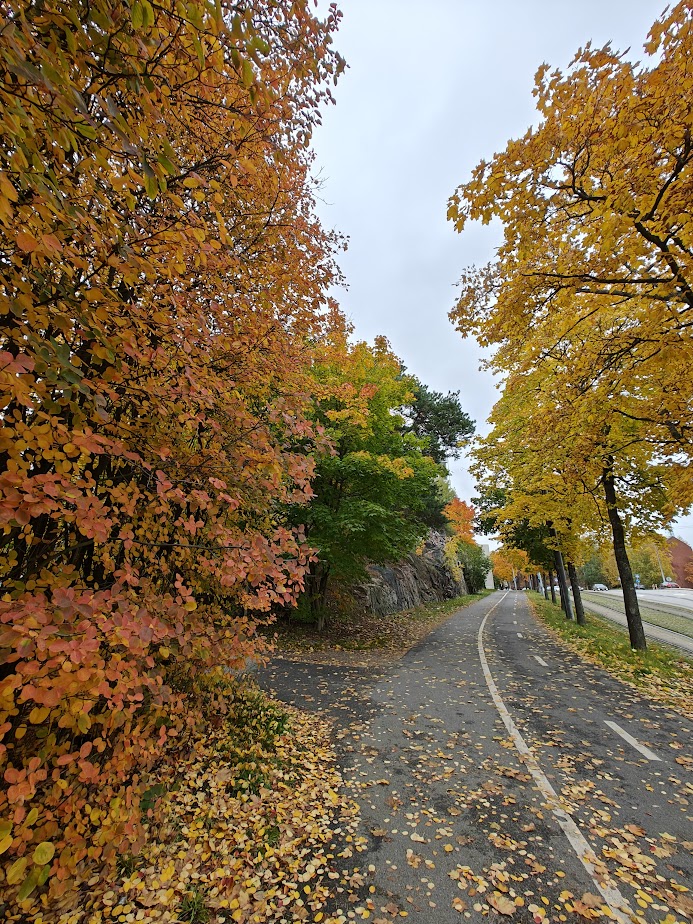
In Tyrväinen’s studies, it has been found, among other things, that time spent in urban nature can be particularly beneficial for mood enhancement among city dwellers. I don’t find that surprising at all. I myself live in the countryside, but when visiting cities like Helsinki and Turku, I always notice my mind calming down just by passing a park or a grove. From the old pines, the rustling maple woods, and the ancient rocks shaped by nature, a feeling of well-being and safety arises in my mind. Even though there’s concrete or asphalt under my feet, I can step into nature at any time, and just knowing this possibility lifts my spirits. Nature’s embrace is right beside you, available.
3. Concentration and Cognitive Function Improve
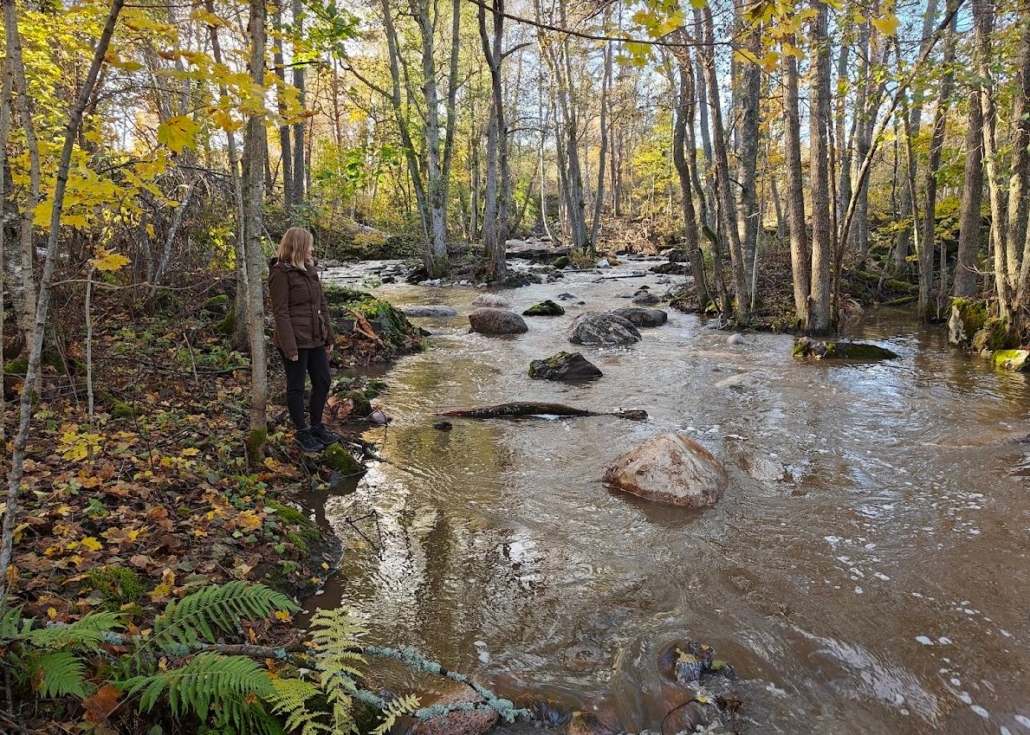
In nature, artificially smooth, straight, and angular surfaces, as well as attention-demanding, nerve-wracking noise, are conspicuously absent. Nature’s stimuli are peaceful and help restore attention and concentration. Study the shapes of plants carefully: look, touch, smell, listen. How does a cone or bark feel in your hand? Is an aspen rustling somewhere, is there a stream babbling in the distance that you can’t see yet?
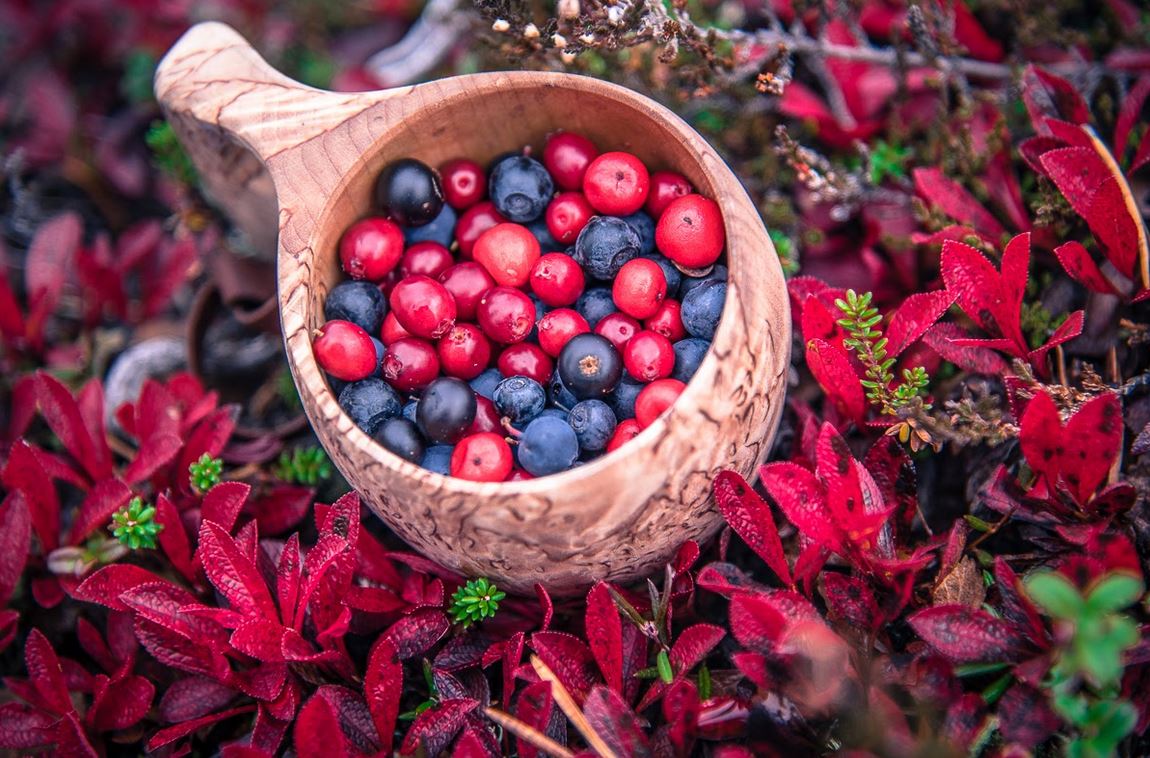
Observing nature and merely spending time there has been found to be restorative. In mushroom hunting, the sharpening of concentration becomes especially apparent: at first, you don’t notice anything, but then you find something, and after a while, your eyes and brain are tuned to search specifically for edible mushrooms, and suddenly they appear all around.
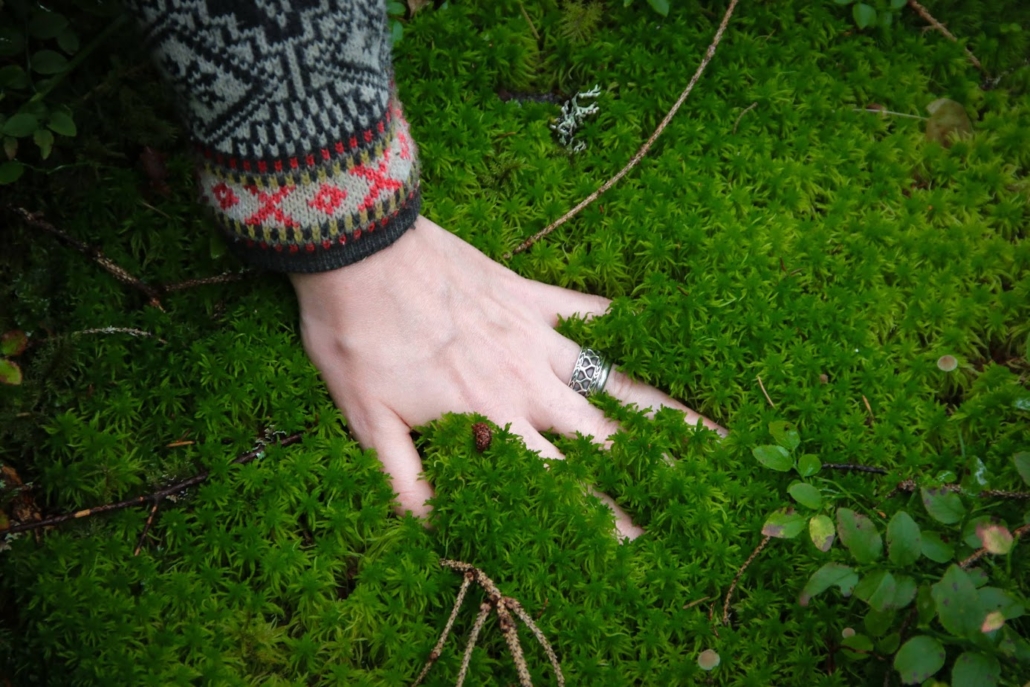
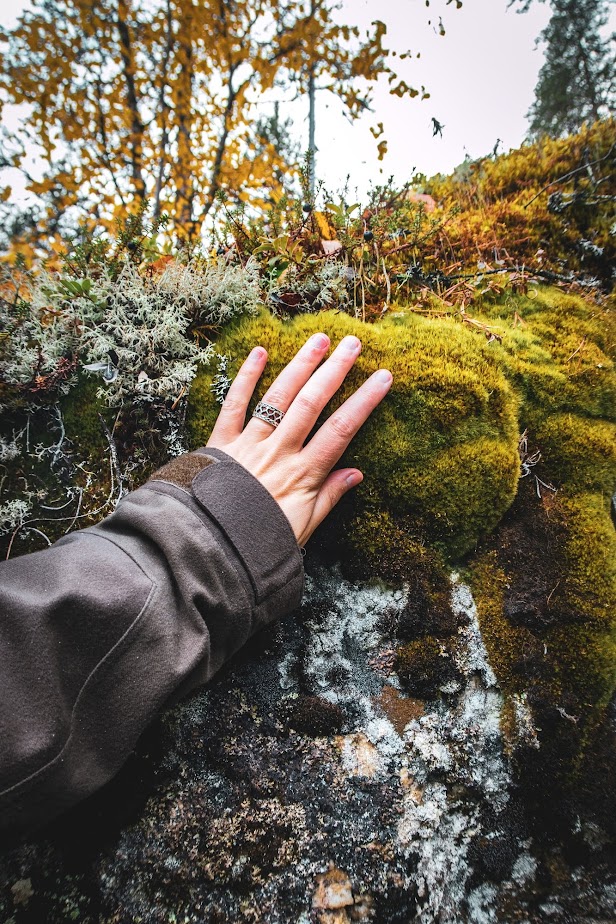
“Sometimes, even in a snowless winter, I might take off my shoes and socks just to feel the wet and soft moss under the skin of my feet. At the very least, I plunge my hands into the depths of a green sphagnum moss mound and enjoy the sensation, as well as the scent that lingers on my hand. In summers, the warm, smooth rock in the Finnish archipelago feels ancient and comforting against the skin. And nothing works as an effective meditation like submerging beneath the surface of natural water, surrendering to the gentle, supportive pressure of the water.”
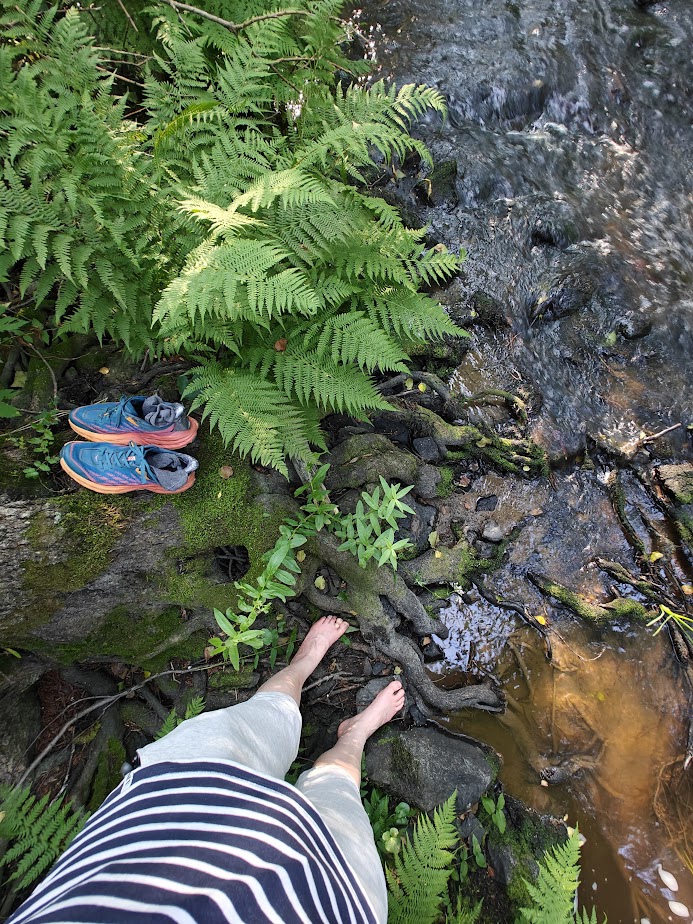
4. Symptoms of Depression and Anxiety May Alleviate
The Natural Resources Institute Finland has also studied the effect of nature on mental health and symptoms of depression. The results indicate that it may be possible to reduce symptoms of anxiety and depression by spending time in nature and, for example, by listening to the sounds of nature.
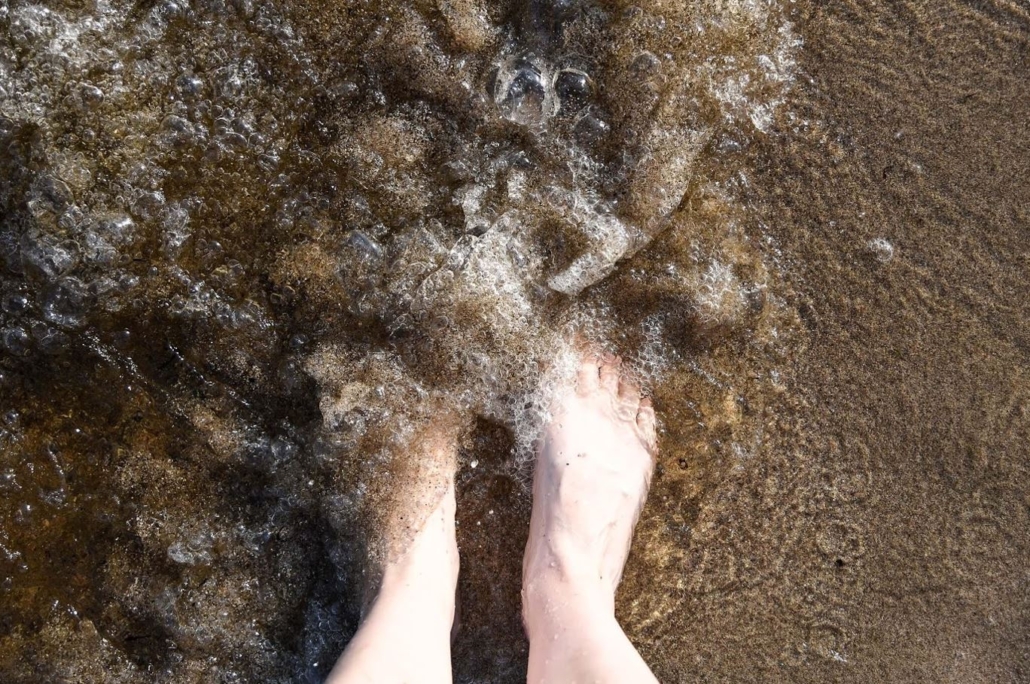
The health effects of nature have also been widely studied internationally. The findings have been largely the same as in domestic studies.
5. Immune System Strengthens
In nature, we are exposed to its countless microbes. This is connected to the fact that spending time in nature can strengthen our immune system.
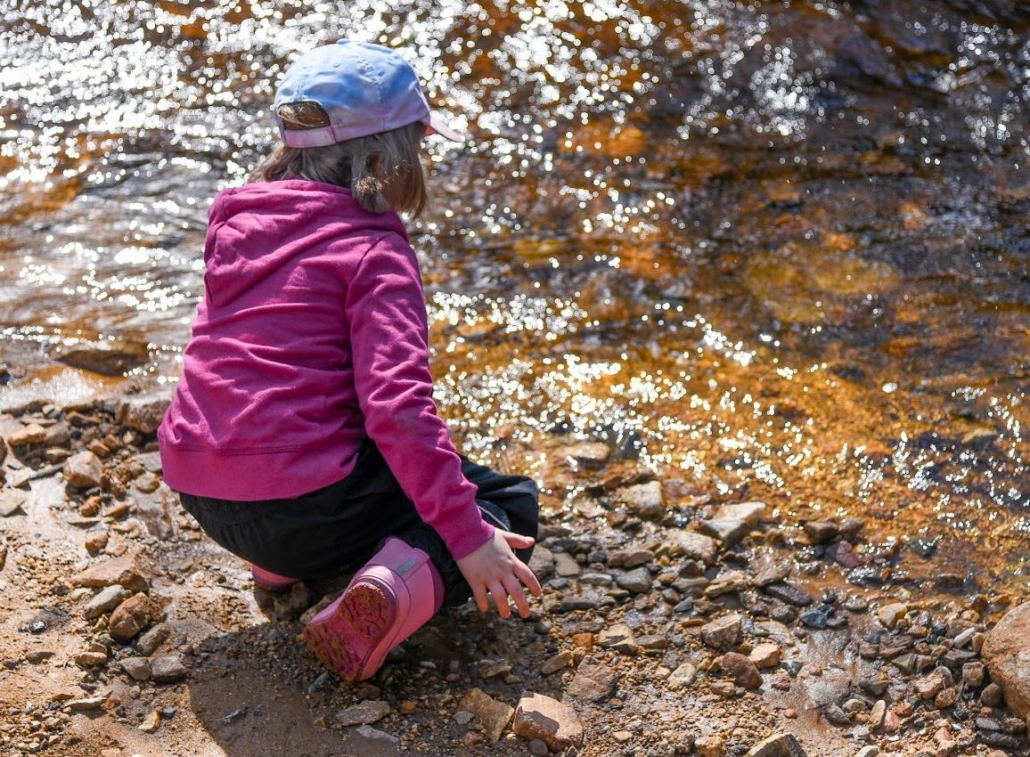
“Next to my childhood home was a small forest and a stream. I spent almost all my free time there. I played house under a big spruce and floated toy dinosaurs in the stream. I nibbled on wood sorrel, and sometimes even tasted pine needles because the Moomins ate them before their winter sleep. Rotten alder was soft and reddish and served as smoked salmon in kitchen games; puffballs acted as spice shakers. The games also included lots of mud, sand, soil, leaves, and stream water. As an adult, I occasionally call forth my inner child. I lie on the forest’s moss bed and push my hands into the moss. I float leaves and twigs in the stream using a stick. I touch and sniff rock surfaces that look interesting and wander through forests new to me like an explorer.”
6. Nature Encourages Movement
According to research, nature motivates people to be more active, and as the saying goes, movement is medicine. Perhaps this also underpins why, for example, trail running became a real hit sport in Finland a few years ago. The flexible forest floor and needle-covered trails underfoot are a more interesting and stimulating surface to move on than the monotonously flat asphalt. At the same time, moving in nature benefits you in more ways than just physical activity—whether you run or not, you get all the previously mentioned well-being effects.
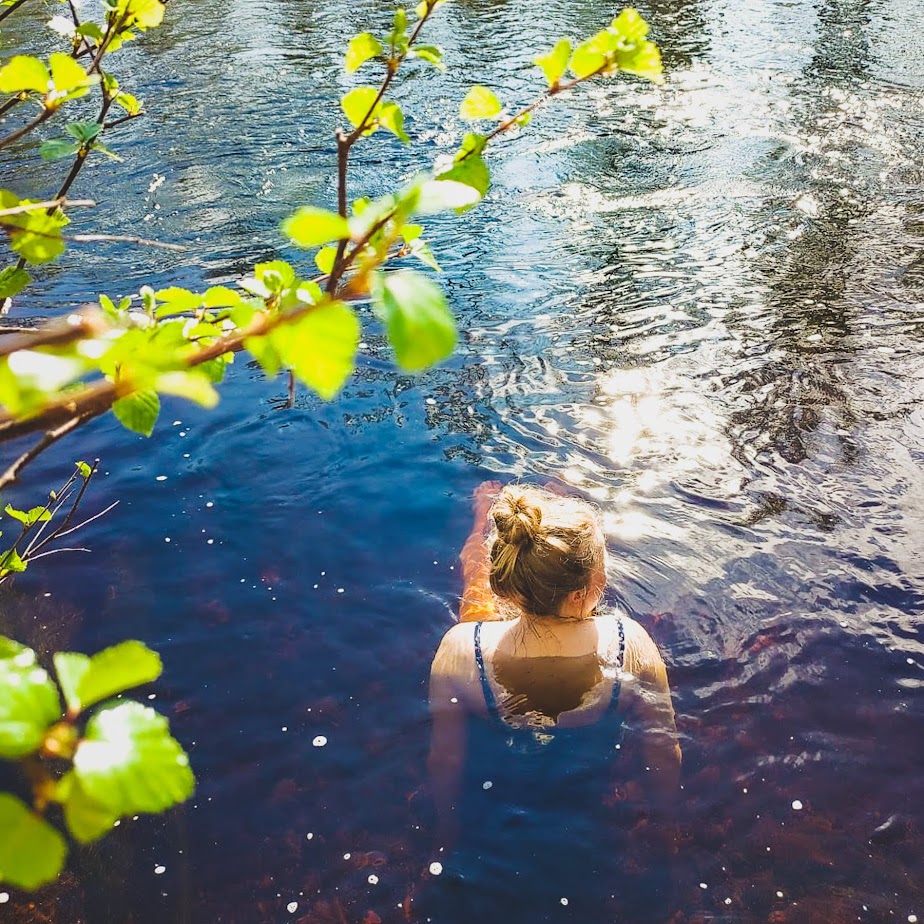
“In the embrace of water, I always feel better than anywhere else—the freshness of the water and its gentle squeeze around my body is a state I descend into whenever I can. The need for water has grown so great in adulthood that I had to start ice swimming to be able to be in the water regularly throughout the winter. And the water of a swimming pool with its sterile surfaces and chemical smells doesn’t meet that need. It has to be water that smells softly of nature, whose shores are lined with natural stones and standing trees that are calming to look at.”
7. Relationship with Nature Strengthens
A good relationship with nature increases overall well-being. It is valuable if one’s own relationship with nature is so strong that, in tough times in life, one knows and understands how to seek comfort and strength from nature, and even in good times, a rich and respectful relationship with nature can bring more joy to life. Through nature hobbies, you can also have rewarding social encounters by participating in, for example, guided tours, nature conservation work, or birdwatching.
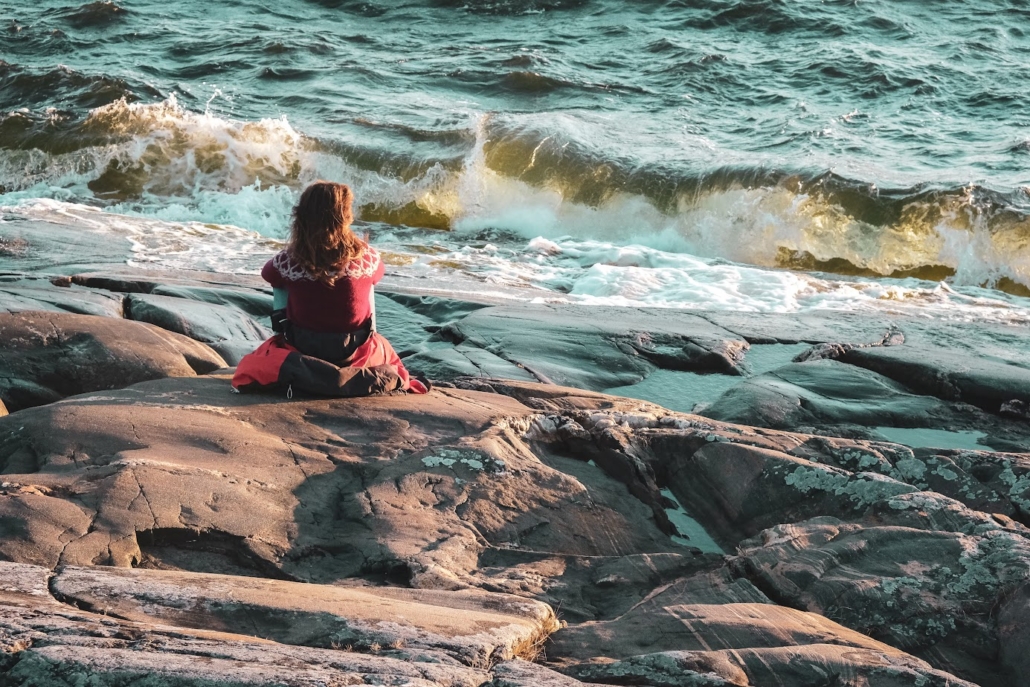
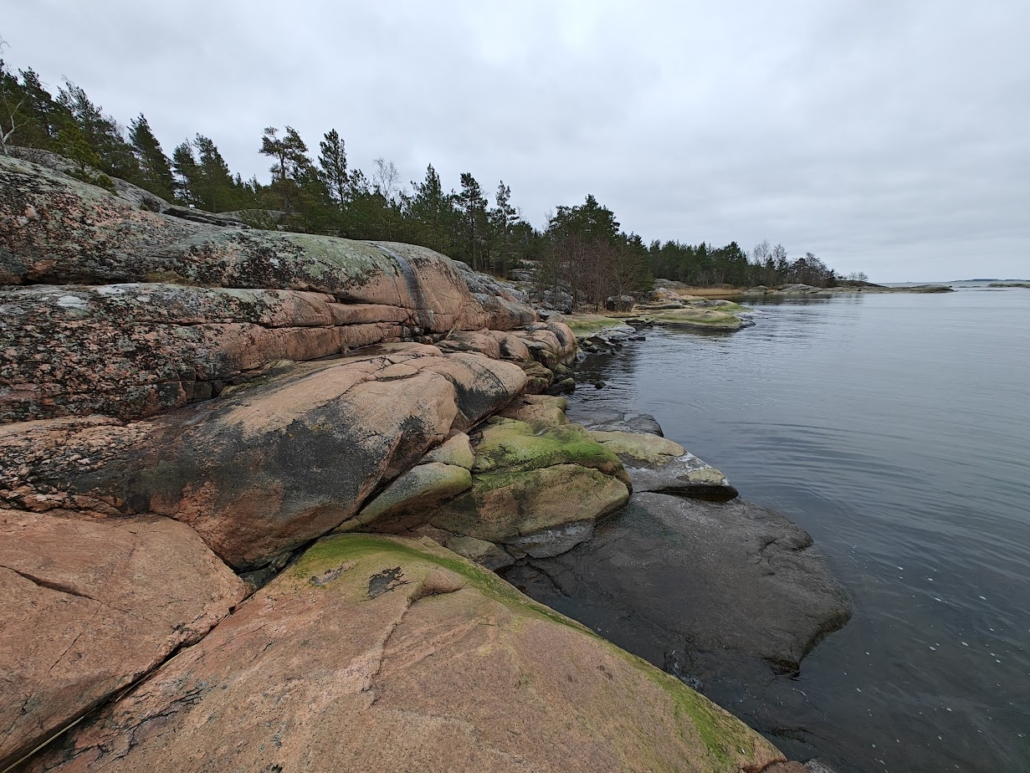
“I once heard the advice that if everything in the world seems to be going wrong, sit on a rock. I knew immediately what the advice meant, and I think it works. Nowadays, following the news often feels like it’s only a matter of time before everything is destroyed and ends. But when I sit on the wind-blown rocks of the Archipelago Sea, shaped thousands of years ago by the Ice Age from billions of years old bedrock, I feel that everything will be all right. The present moment isn’t even a blink-length flash in the history of our planet. It feels very comforting.”
Do you get into nature as often as you’d like? What kind of nature experience is the most impactful for you—does it require traveling further, or does nearby nature suffice? Please comment below the article!
Read also
Caring for Mental Health in Nature: A Trip to the Baltic Sea’s Coastal Cliffs in Inkoo
Discover Evo: Southern Finland’s Hidden Wilderness Gem for Hikers
A night in a real treehouse in Finnish forests
8 Ways to Spend Time in the Finnish Nature in Spring
Related Content


Leave a Reply
Want to join the discussion?Feel free to contribute!