
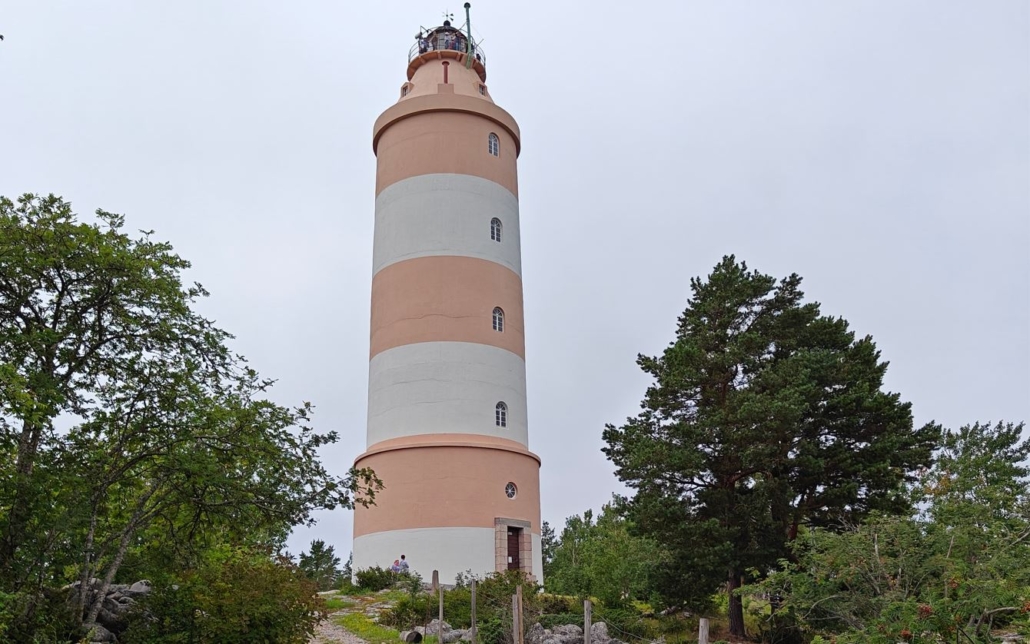
Summer Trip to Isokari Lighthouse Island in the Bothnian Sea National Park
A summer morning dawned in Uusikaupunki, cloudy but warm. I’ve always loved sea trips, and today I was embarking on a special adventure: my first-ever cruise to Isokari Lighthouse. The itinerary promised a sea journey to the island, a guided tour, lunch, access to the lighthouse, and some free time on the island before returning. I packed lightly, bringing mostly my snorkeling gear.
- Destination on the map; Departure point on the map
- Boat trip duration: 1.5–2 hours each way (M/S Kerttu)
- Arrival by public transport: Buses from Turku, Uusikaupunki bus station about 500 m from the dock.
- Arrival by car: Pakkahuone guest harbor, Uusikaupunki.
The ship, named M/S Kerttu, departed from near Pakkahuone in Uusikaupunki, where we first enjoyed morning coffee and doughnuts on the terrace before boarding. I had pre-purchased my cruise tickets online, but most Saturday arrivals seemed to be buying their tickets on the spot on the boat.
The ship’s engines roared to life, and the journey to Isokari began. The trip took about two hours because we had to take a slightly longer, more sheltered route due to the wind. The direct route would have taken 1.5 hours. There was plenty of comfortable seating both inside and on the deck. Luckily, only a few drops of rain fell despite the overcast weather. We enjoyed the fresh sea breeze and the sound of the waves, occasionally swaying a bit more vigorously. Towards the end of the journey, the Isokari Lighthouse began to appear on the horizon, standing tall in the middle of a large, forested island. The island belongs to Kustavi – there is also an Isokari in Uusikaupunki, but it is an inland island in a lake called Ahmasvesi.
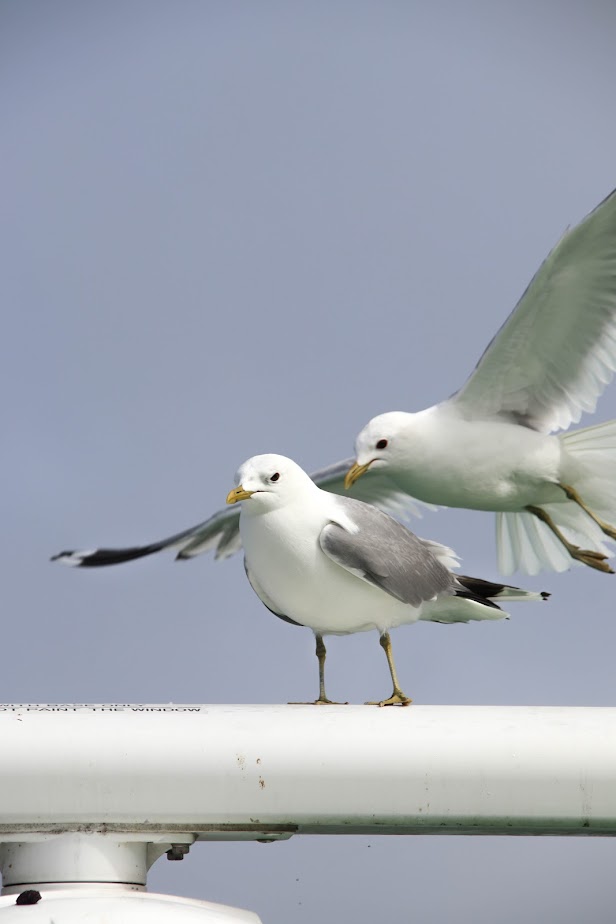
Upon arrival, we were greeted by a guide and a large number of the island’s signature birds, the black guillemots, which spent their time on the breakwater. The black and white, red-footed black guillemot is a truly beautiful bird!
As we landed, I noticed that the lighthouse was nowhere in sight. Isokari is large enough that you can’t see the lighthouse from many places, even though it is one of the tallest lighthouses in Finland.
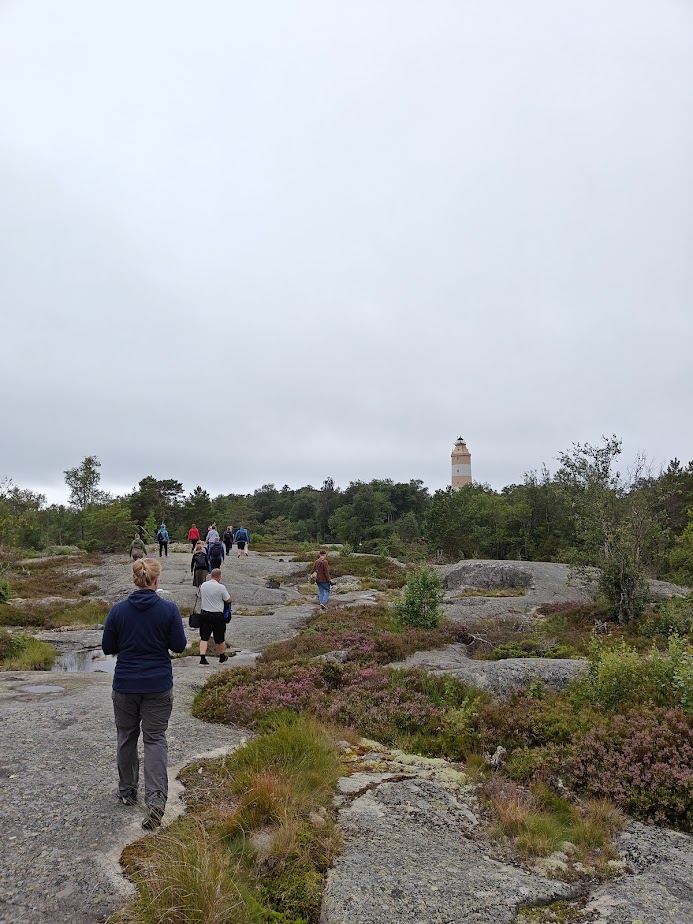
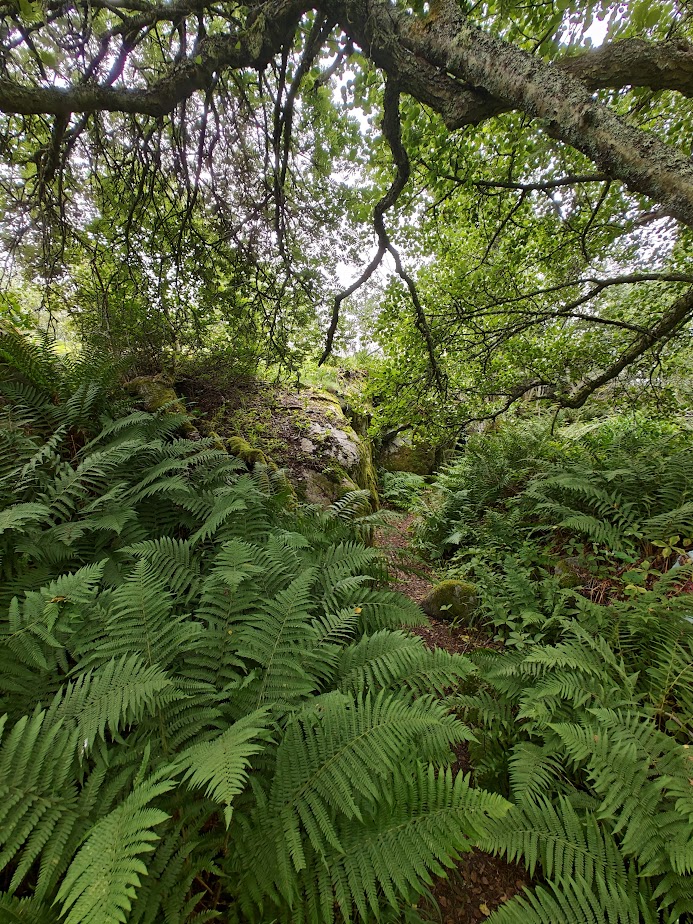
Right from the shore, we started walking along the nature trail guided by our host, heading towards the barracks and the lunch awaiting us there, which was included in the cruise price. Along the trail, we passed through a lush grove, and from the bare rock, there was also a glimpse of the island’s reedy inland lake. This gloe lake was once part of the sea but now rests separately, sheltered in the embrace of the island, and serves as a resting place for many birds.
After the nature trail, we reached the heart of the island, Isokari Lighthouse, and the barracks building at its base. My stomach was already growling, so lunch was very welcome.
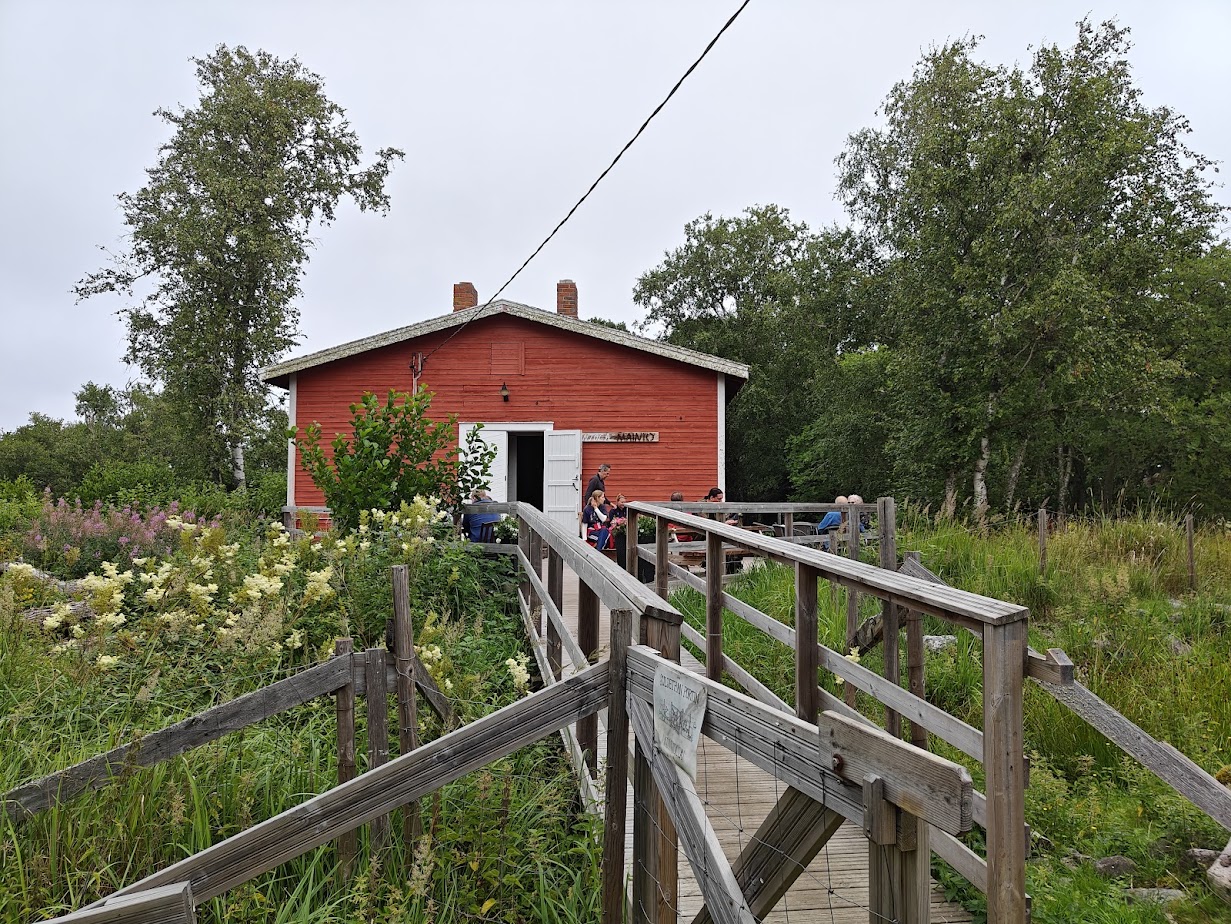
When booking the trip, I had indicated that two people in our group would need vegan meals, and our portions were generous! As a vegan traveler, you are always a bit anxious about what kind of food will be available or if there will be any at all, and whether you get value for your money. Now, however, I can say that both the lunch and the selection of treats on the island and the ship mean that a vegan can come here with peace of mind.
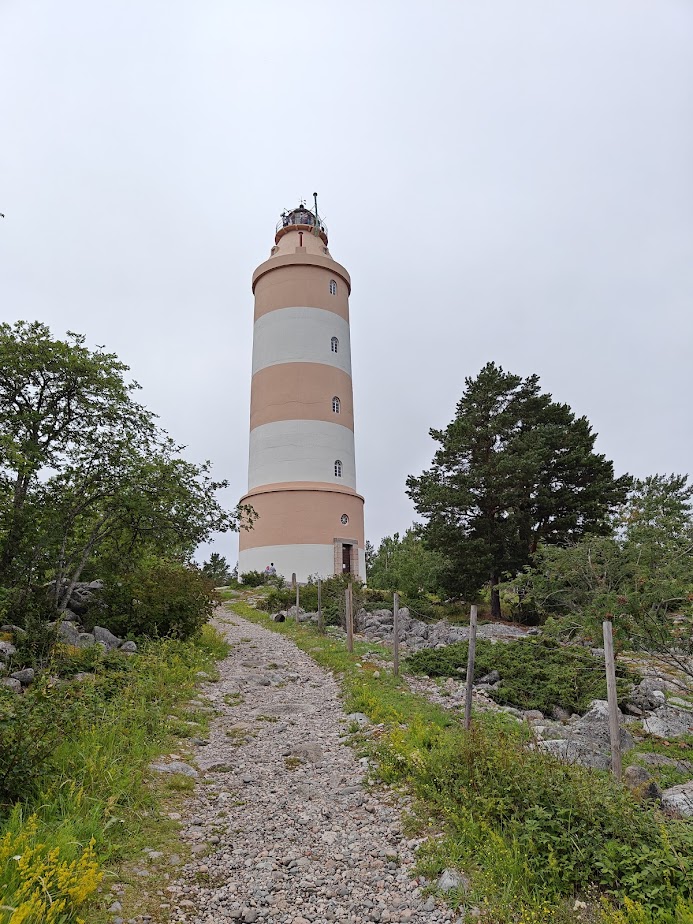
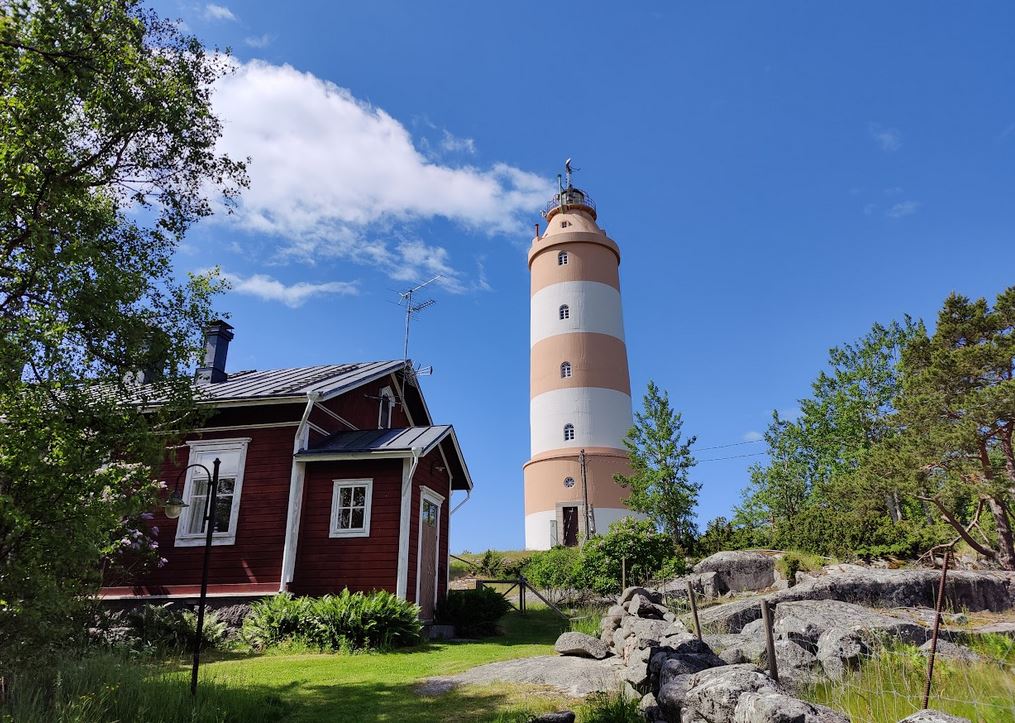
While we were having lunch outside on the restaurant terrace, Isokari Lighthouse stood tall against the sky next to us. According to the guide, many visitors ask if the lighthouse’s color has faded because it is often depicted in drawings as brightly red-striped. The truth, however, is that the lighthouse has never been red-striped; its stripes are more like skin-colored or pale peach.
With the guide, you can go up to the top of the lighthouse, where a magnificent panoramic view of the Bothnian Sea awaits.
“The Isokari Lighthouse was completed in 1833. Its light is at an elevation of 49.4 meters above sea level, making it the highest in the Gulf of Bothnia.”
Isokari.fi
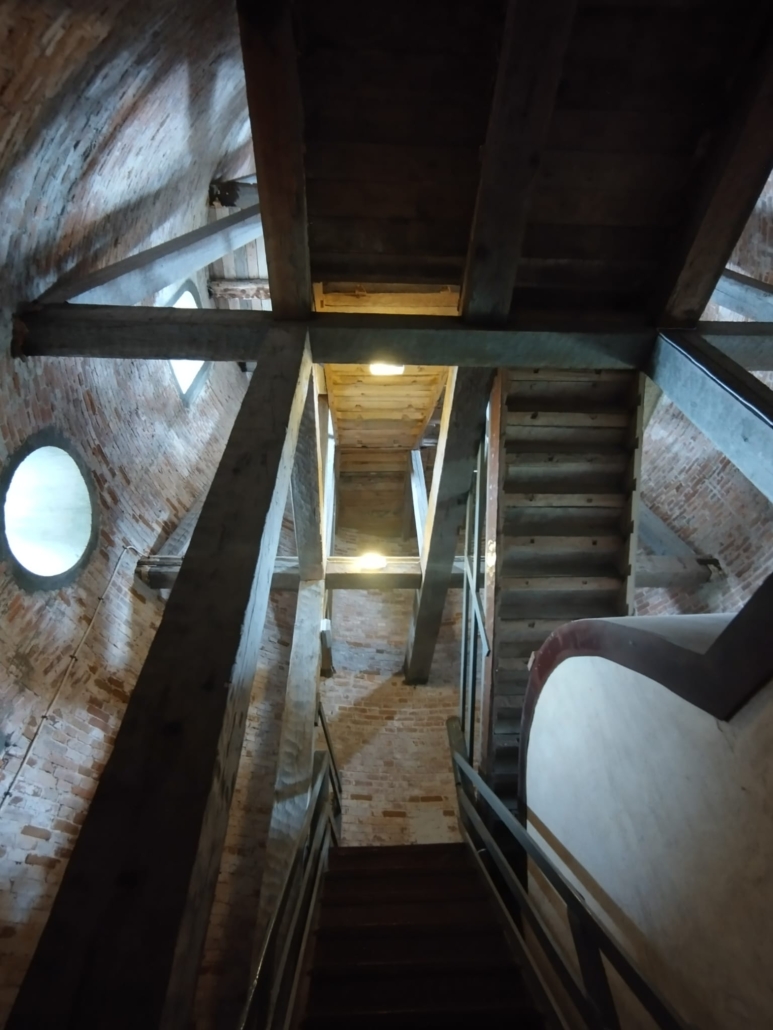
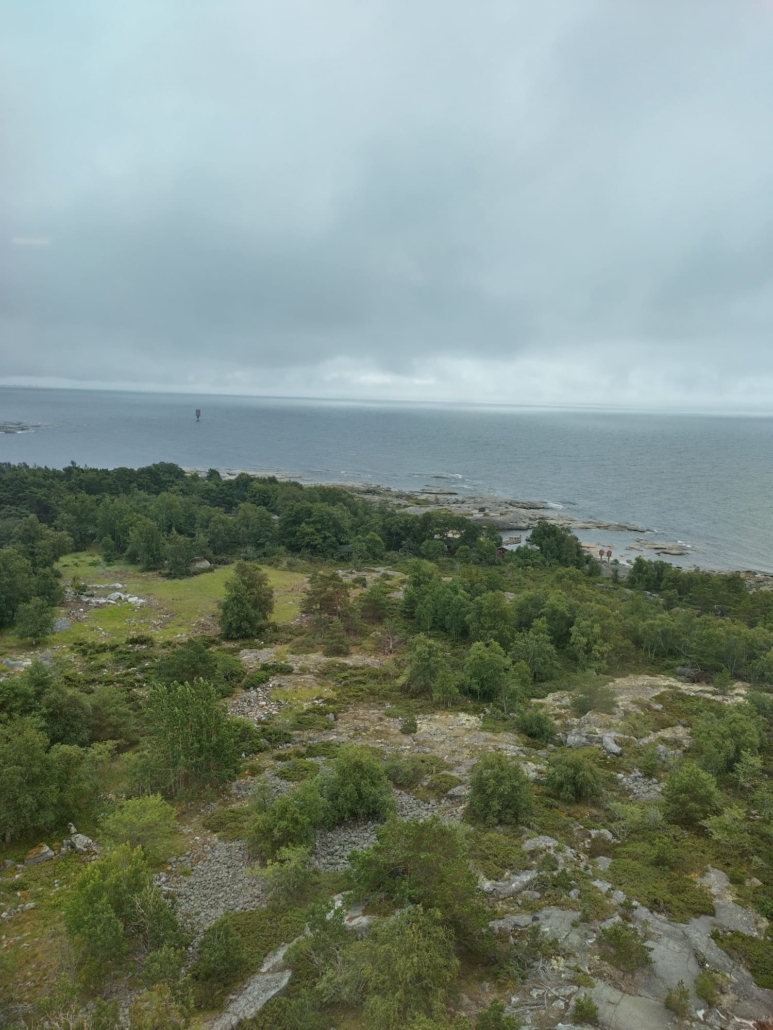
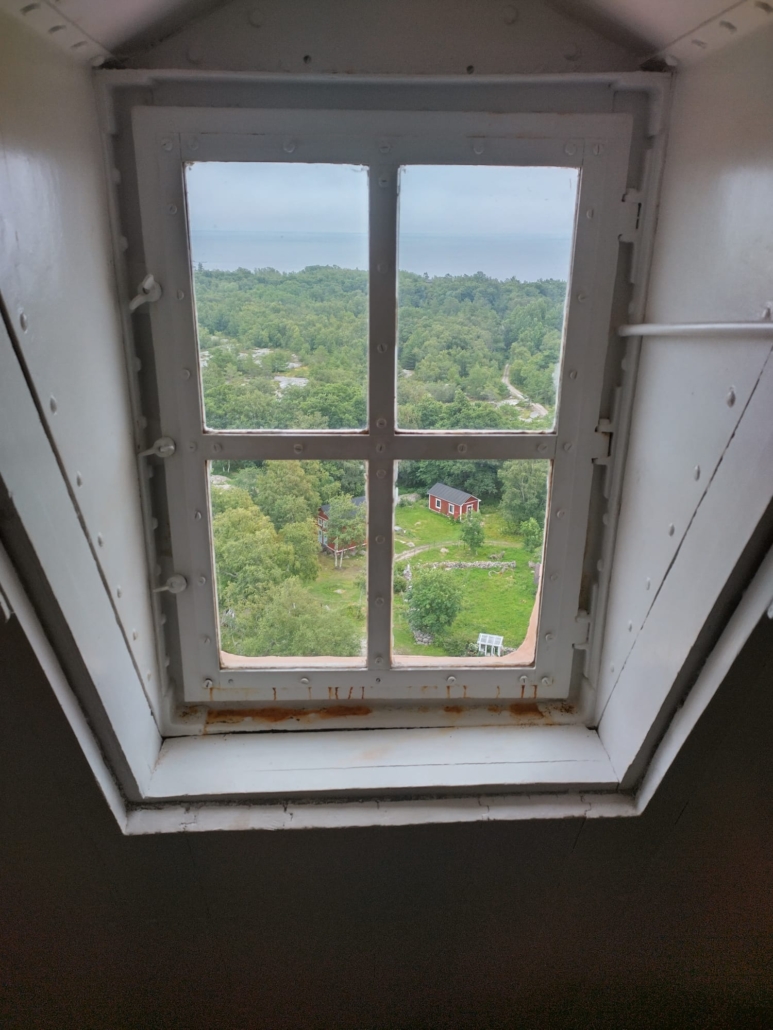
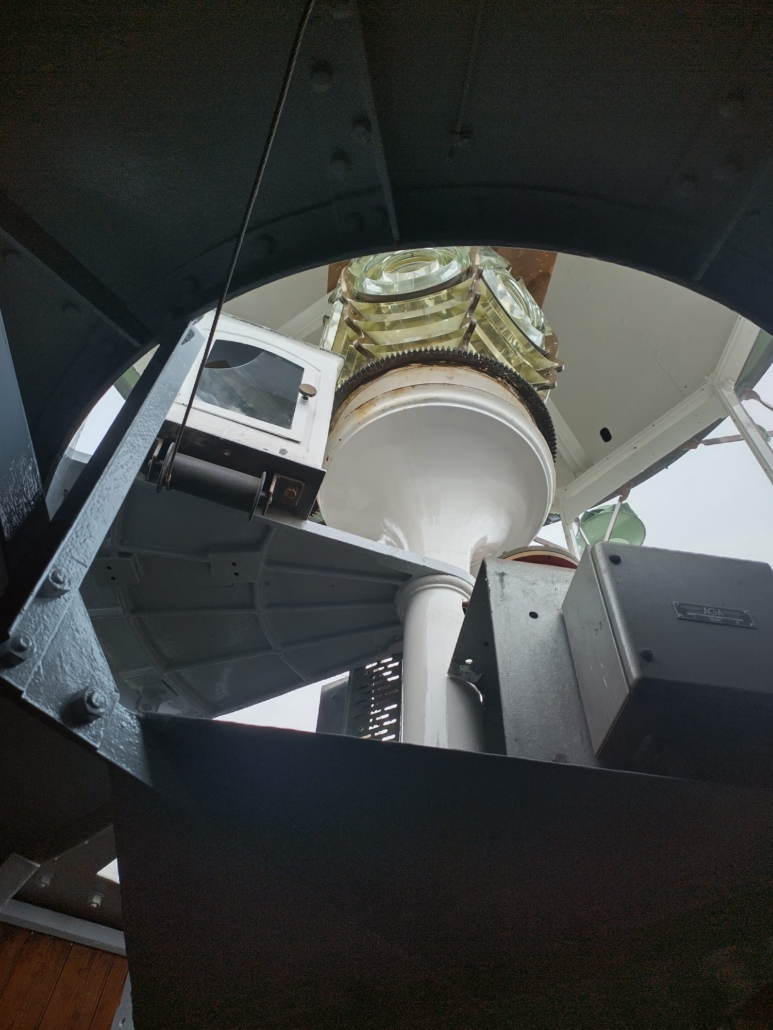
The guide told us a spine-chilling story about how, during the war, the Isokari Lighthouse was prepared to be blown up and, as I understand it, was even rigged with explosives, but luckily it was spared from destruction. The guide also mentioned by name a lighthouse that, unfortunately, due to poor communication, was blown up three days after the war had already ended. The name of this lighthouse escaped me – if you know which lighthouse it was, please be kind and tell us by commenting below!
After lunch and the lighthouse visit, we had about two hours of free time to explore the island. I headed straight for a snorkeling trip, and on the way, my husband checked out the bunker in the middle of the almost jungle-like forest, but with just a phone light, he didn’t get very far.
Luckily, there was no cyanobacteria in sight, and despite the still cloudy weather, the water was clear and inviting. There weren’t many waves near the harbor, where a blue and red bathing cabin invited us to change clothes.
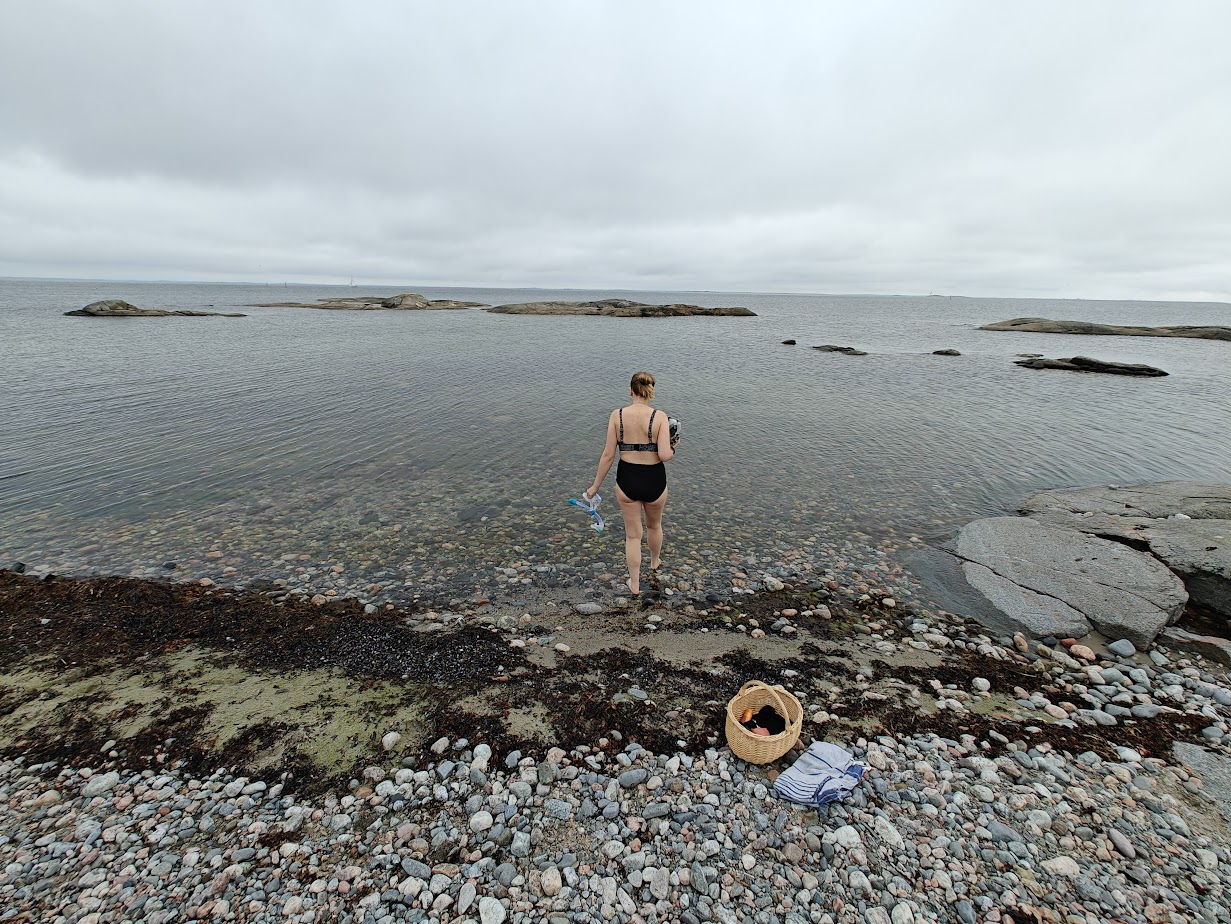
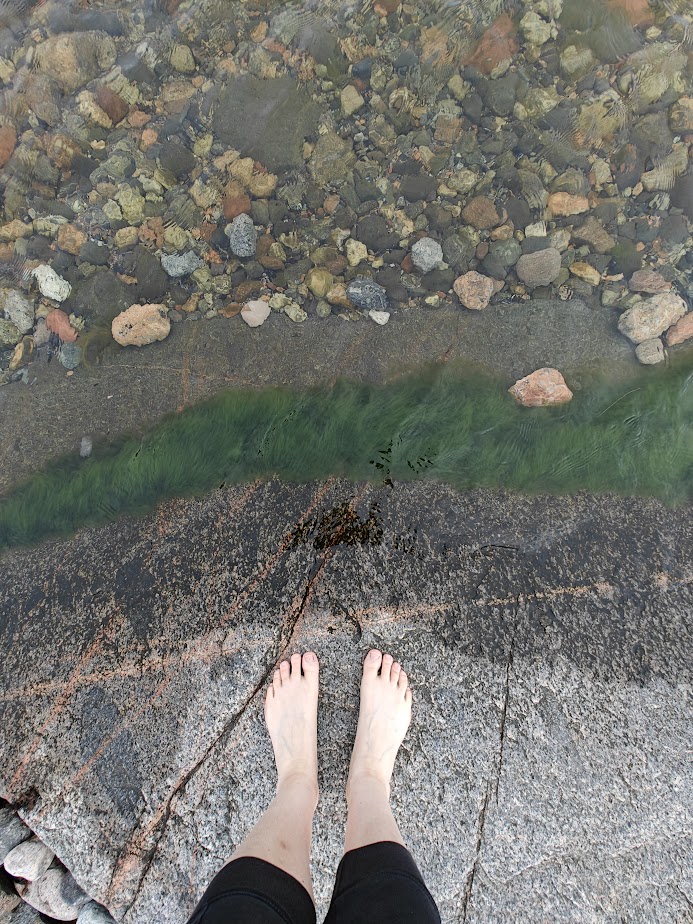
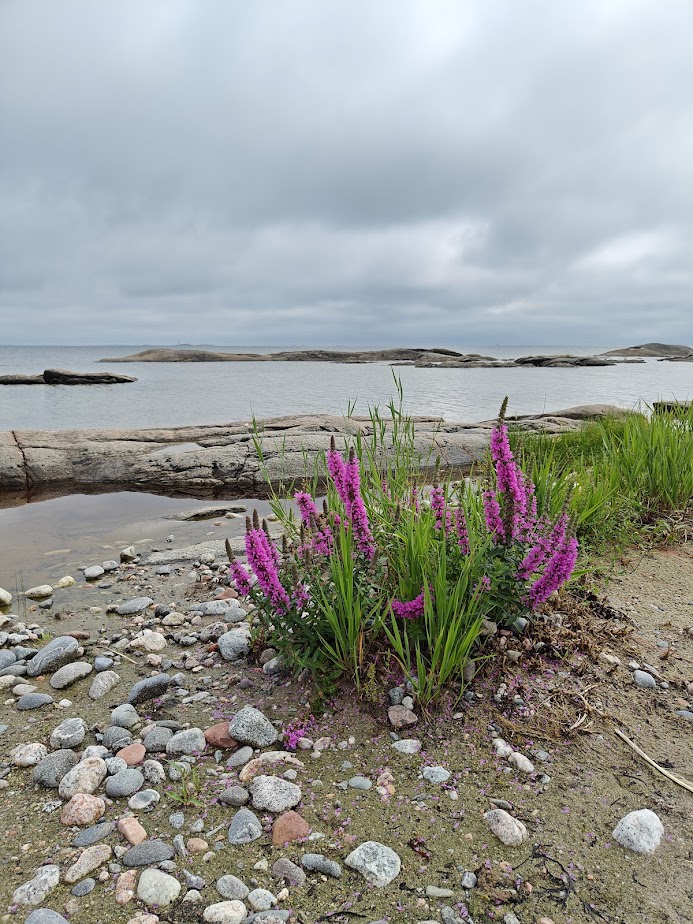
Snorkeling took about an hour. Various aquatic plants and small fish swam as part of the underwater landscape, dominated by bladderwrack and a fine sandy bottom. Definitely a worthwhile snorkeling spot if the cyanobacteria situation allows for a dip.
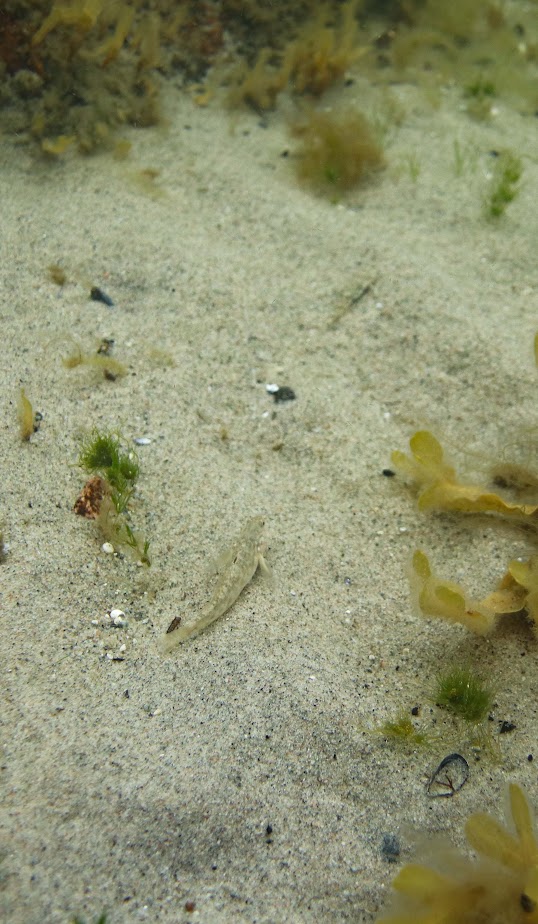
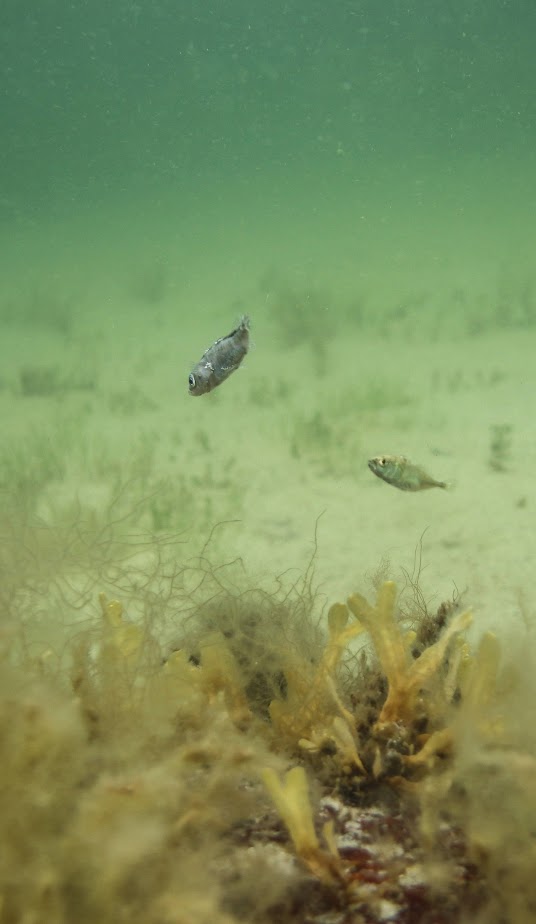
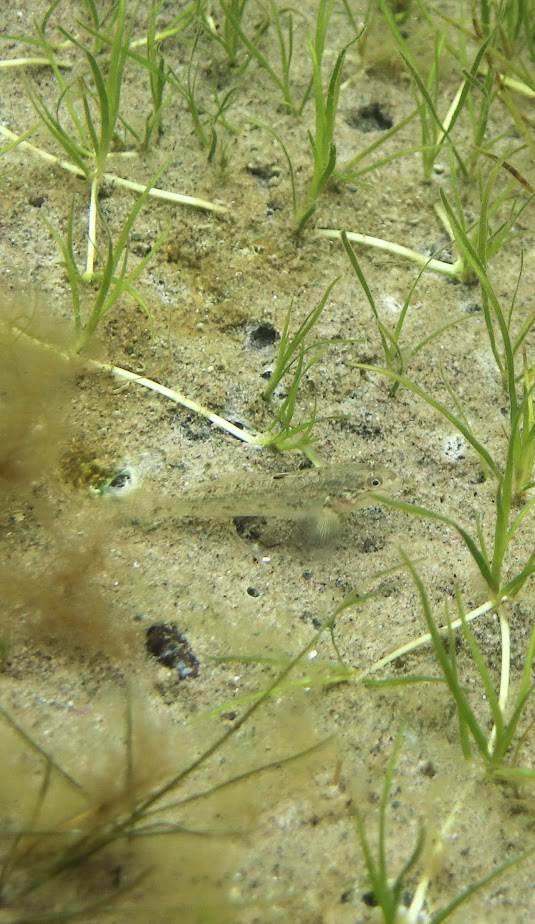
After swimming, I still had time to meet up with the rest of my group at the kiosk terrace by the beach and enjoy some ice cream, sitting peacefully and drying my hair a bit. The cloud cover began to break, and sunlight started to penetrate, illuminating the beautiful Bothnian Sea landscape. On the return journey, we sailed over larger waves along the direct route in wonderful, sunny summer weather!
Related Content


Leave a Reply
Want to join the discussion?Feel free to contribute!