
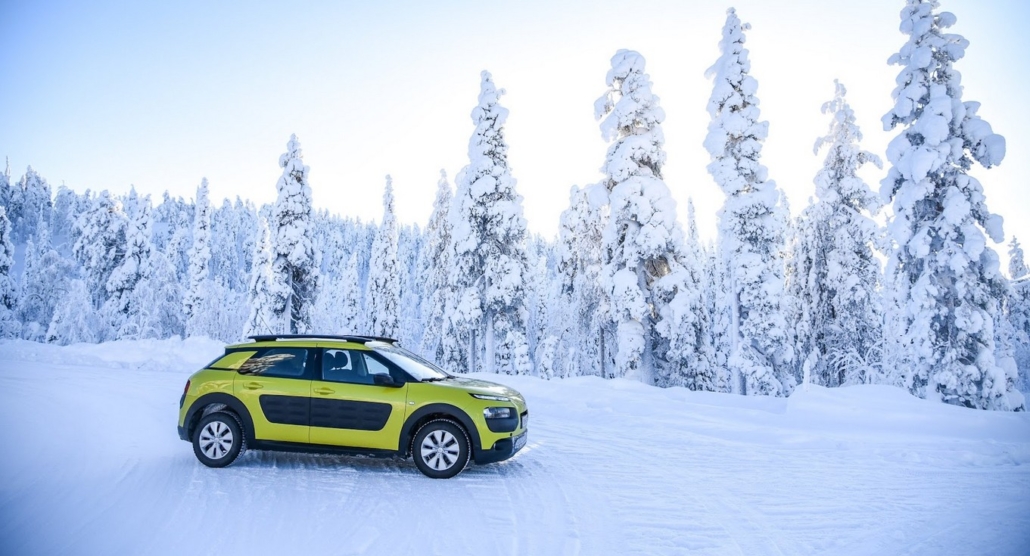
Essential Winter Driving Tips for Finland
Planning to drive in Finland during winter? These key safety tips help you prepare for icy roads, freezing temperatures, and changing conditions. From proper winter tyres to visibility, warm clothing, and safe parking in reindeer herding areas, this guide covers the essential winter driving tips for Finland.
Check the Condition of Your Winter Tyres
The condition of your winter tyres plays a major role in driving safety during the cold season. Make sure your car is equipped with good-quality studded or non-studded winter tyres. Check the tread depth and ensure that the tyres provide enough grip in slush, snow, and icy conditions. It’s also important to monitor tyre pressure regularly, as cold weather lowers it.
Summer tyres have absolutely no place on Finnish winter roads, not even for short trips. By law, winter tyres must be used from 1 November to 31 March, and they may also be fitted earlier in autumn or kept on longer in spring whenever the overall weather and road conditions genuinely call for it.
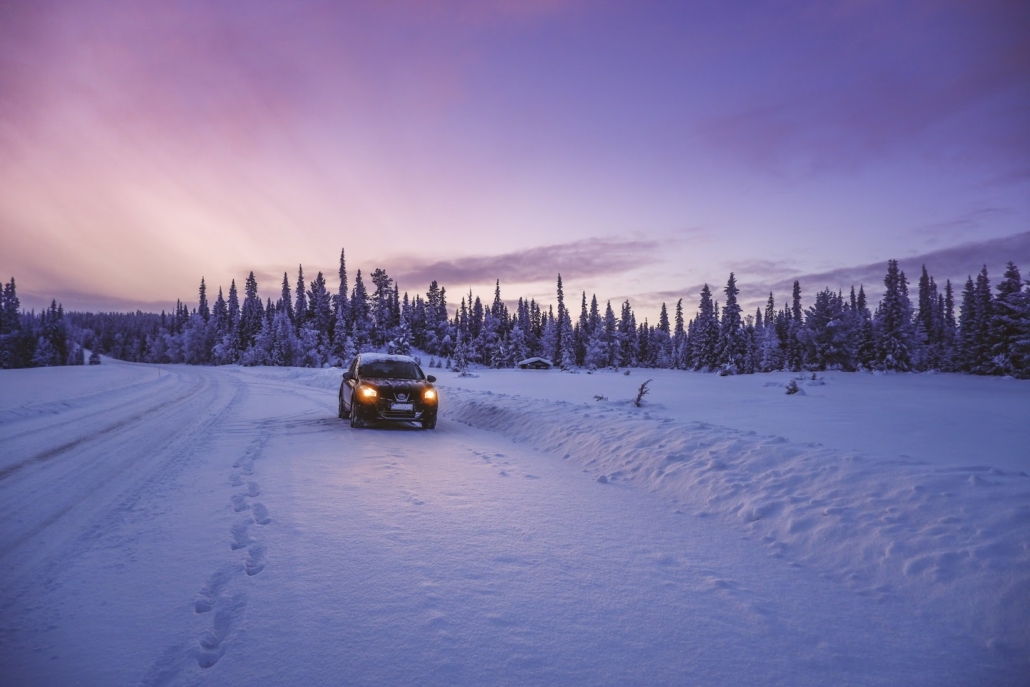
Carry Warm Clothing, a Warning Triangle, and High-Visibility Vest
Even a minor issue with your car can lead to long waits in the cold and darkness. That’s why it is essential to carry extra warm clothing such as a wool sweater, scarf, hat, gloves, and possibly a blanket. These provide comfort and safety if you have to step out of the car or wait for assistance. If your car breaks down, switch on the hazard lights so other road users can spot your vehicle.
A warning triangle and high-visibility vest are crucial safety tools during dark winter months and in poor visibility. They help other drivers see you well in advance and reduce the risk of secondary accidents. Remember to place the warning triangle far enough from your car—around 200 metres/700 feet—so that it is clearly visible.
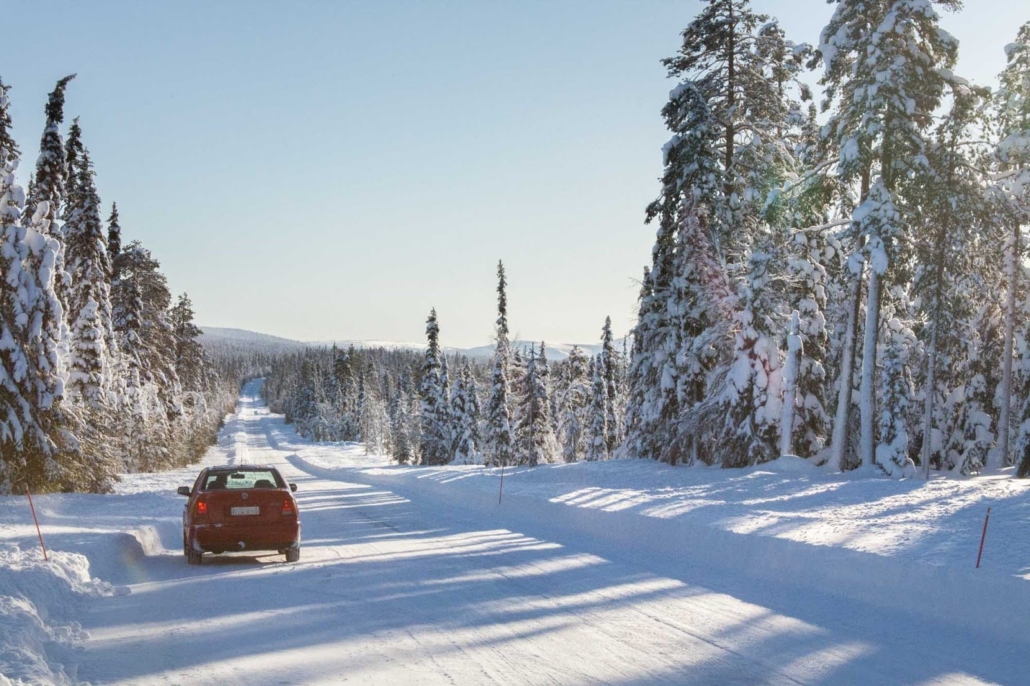
Preheat Your Car Before Driving
Preheating protects the engine and improves driving comfort, especially in freezing temperatures. Using an engine block heater or a fuel-powered heater makes starting the engine easier and reduces emissions. It’s a good idea to start preheating already when the temperature is around zero.
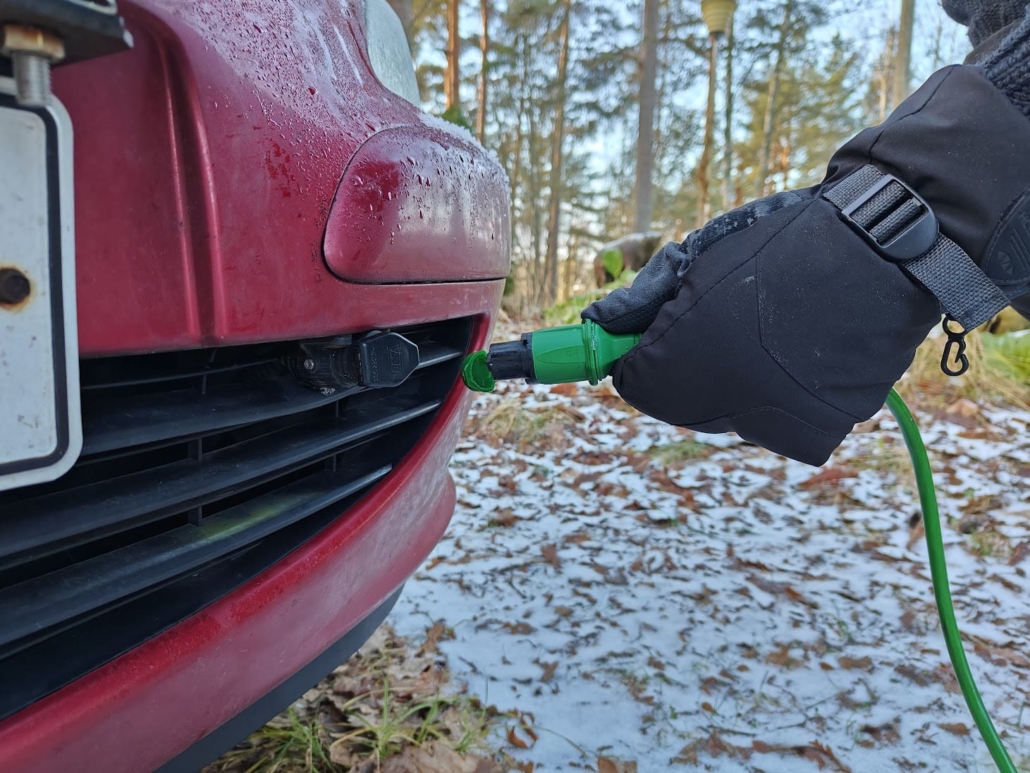
If your car has an interior heater, turn it on at the same moment you plug in the car. The interior heater is usually located in the front passenger footwell and is very simple to use.
Preheating the cabin keeps the windows clear, removes frost, and makes it much more pleasant to get into the car. When the interior is already warm, cleaning the windows becomes easier and visibility is good right from the start of your journey.
Start the Engine Properly in Cold Weather
A cold engine needs more power to start, so check the battery condition regularly. If the engine cranks slowly or struggles to start, the battery may be weakening. Diesel cars often require waiting for the glow plugs to finish—and in severe cold, it may help to glow the plugs two or three times before starting.
It’s a good habit to start the engine before scraping the windows. You can then direct warm air toward the glass, which helps loosen the ice and allows the car to warm up slightly before you start driving. Extended idling is unnecessary, but a short moment of running helps the engine settle and operate smoothly from the beginning.
Scrape and Clear All Windows Thoroughly
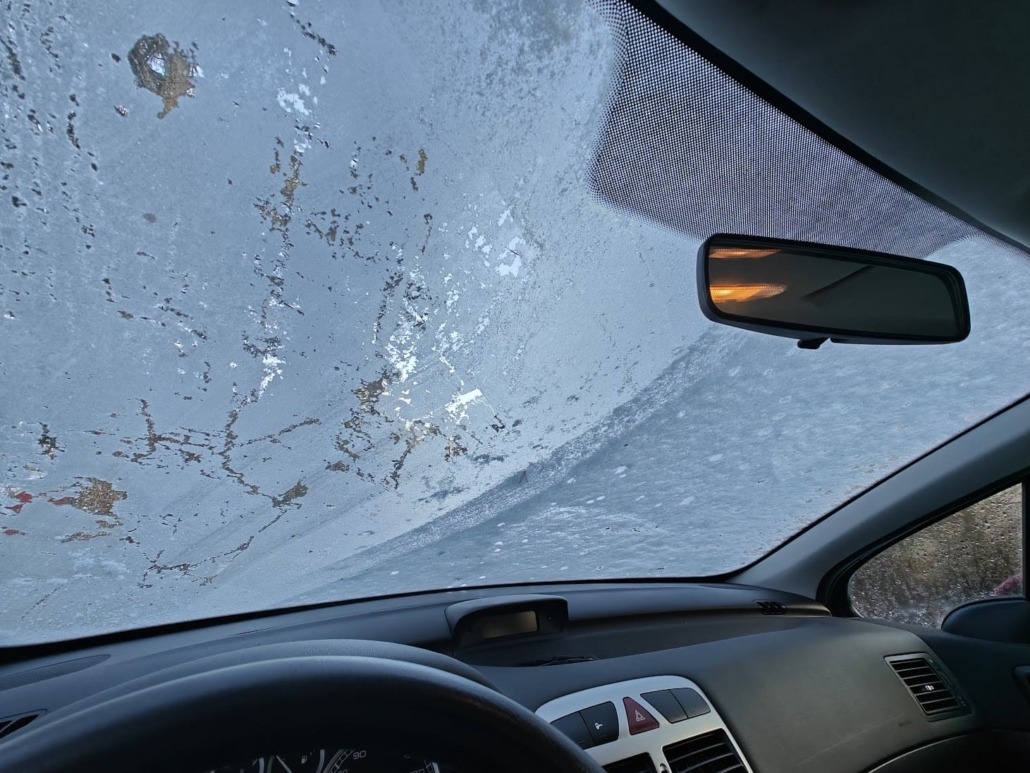
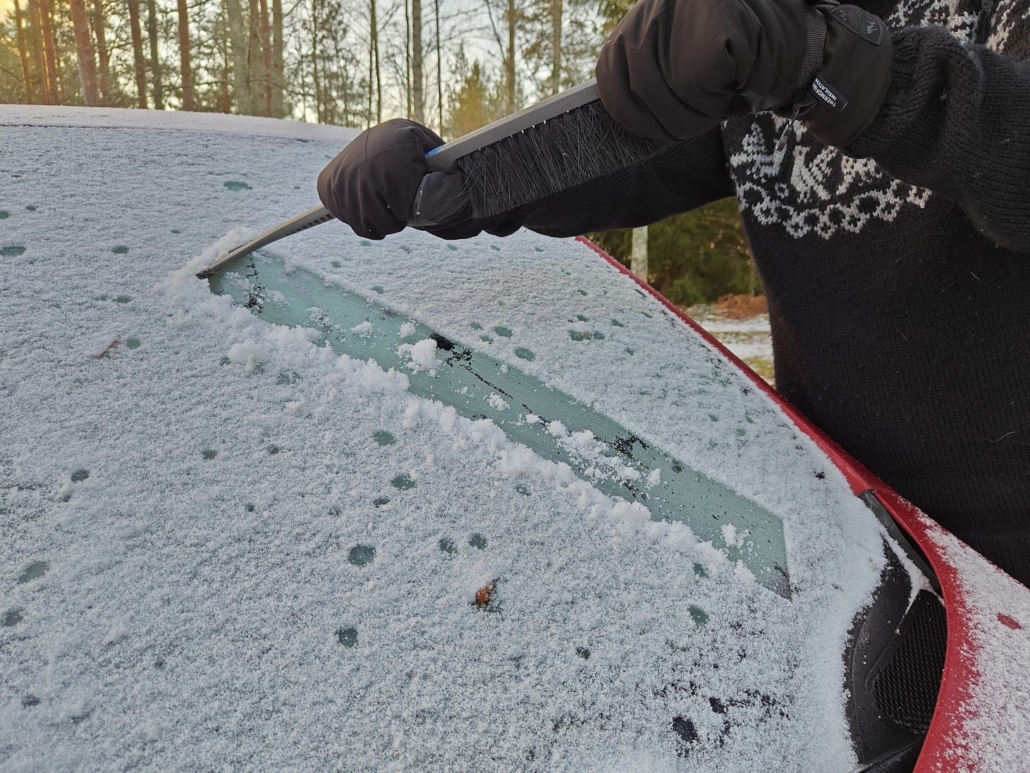
Especially if your car doesn’t have a heated windscreen or you haven’t used a protective cover, you may need to rely on a snow brush and an ice scraper — and you should allow extra time for this.
All windows must be cleaned properly before driving to ensure safe visibility in every direction. Clear the windscreen, side windows, rear window, mirrors, and lights. Ice scrapers come in many forms—some are attached to snow brushes, while many Finns also use a sturdy parking disc, which works surprisingly well.
Some ice can cling so firmly to the glass that scraping alone won’t remove it. In this case, you must wait until the warm airflow from the running car softens the ice. This is why you should reserve plenty of time before departure and avoid starting the car at the last minute. Also remember to remove snow from the entire car, not just the windows. Snow left on the roof can slide down onto the windscreen during braking, blocking all visibility and causing dangerous situations.
Drive Carefully and Slower Than Usual
In winter, road conditions can change suddenly. Black ice, slush, and rutted surfaces significantly affect how the car handles. Drive at moderate speeds, avoid sharp steering movements, and maintain a long safety distance to the car ahead. Smooth and anticipatory driving helps keep the vehicle stable.
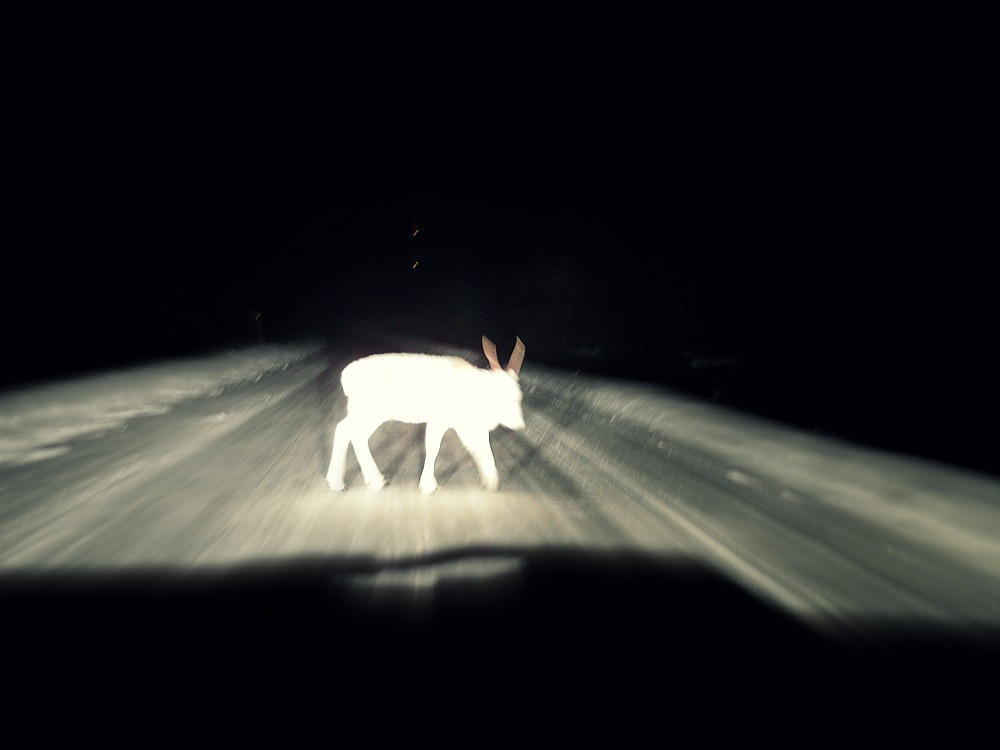
Wildlife is most active at dawn and dusk. Deer, elk, and other animals can appear on the road without warning, so keep an eye on the roadsides, especially in forested areas. A long safety distance is essential here as well—you never know when the driver ahead may have to brake abruptly to avoid an animal.
Keep Your Fuel Tank Sufficiently Full
In winter, it is unwise to drive with a nearly empty tank. Getting stranded or having to wait in the cold can happen unexpectedly, and extra fuel provides safety. Cars also tend to consume a bit more in cold conditions, so keeping the tank full or nearly full is the safest option, especially on long journeys. In northern and eastern Finland, the next petrol station may be nearly 100 kilometres/60 miles away.
If you need to wait for help on the roadside, you can stay warm inside the car while the engine runs. Having enough fuel ensures that you can keep the car warm in short intervals without worrying about running out. Remember to place the warning triangle and use hazard lights in such situations.
Maintain Wipers and Keep Washer Fluid Topped Up
Washer fluid runs out quickly during winter due to road salt and slush, so make sure it is frost-resistant and the reservoir is adequately filled. The condition of your wiper blades directly affects visibility, and worn blades should be replaced before winter.
A useful tip is to lift the wipers up after driving or cover the windscreen with a light protective sheet. The cover doesn’t need to be anything special — a cheap lightweight blanket or an old throw will work just fine. This prevents snow from sticking to the blades or glass, making the next start much easier.
Carry a Shovel and Sand or Grit
Cars can get stuck in snow or spin helplessly on icy surfaces. Many streets and public parking areas are sanded efficiently in Finland, but in more remote locations you may be on your own. A small shovel fits easily in the boot and is valuable if you need to dig your car free.
A bag of sand or grit can provide the traction needed to get moving again.
Keep Your Phone Charged and Consider a Power Bank
Cold weather drains a phone battery more quickly than in summer, so keeping your phone fully charged is an important safety measure. Navigation and other functions can also drain the battery rapidly.
A power bank provides additional safety, especially on long journeys or in sparsely populated areas. It ensures you can call for help, use navigation, and stay connected even if your phone battery unexpectedly runs low.
Special Tip for the Reindeer Herding Area: Park Only in Safe Places
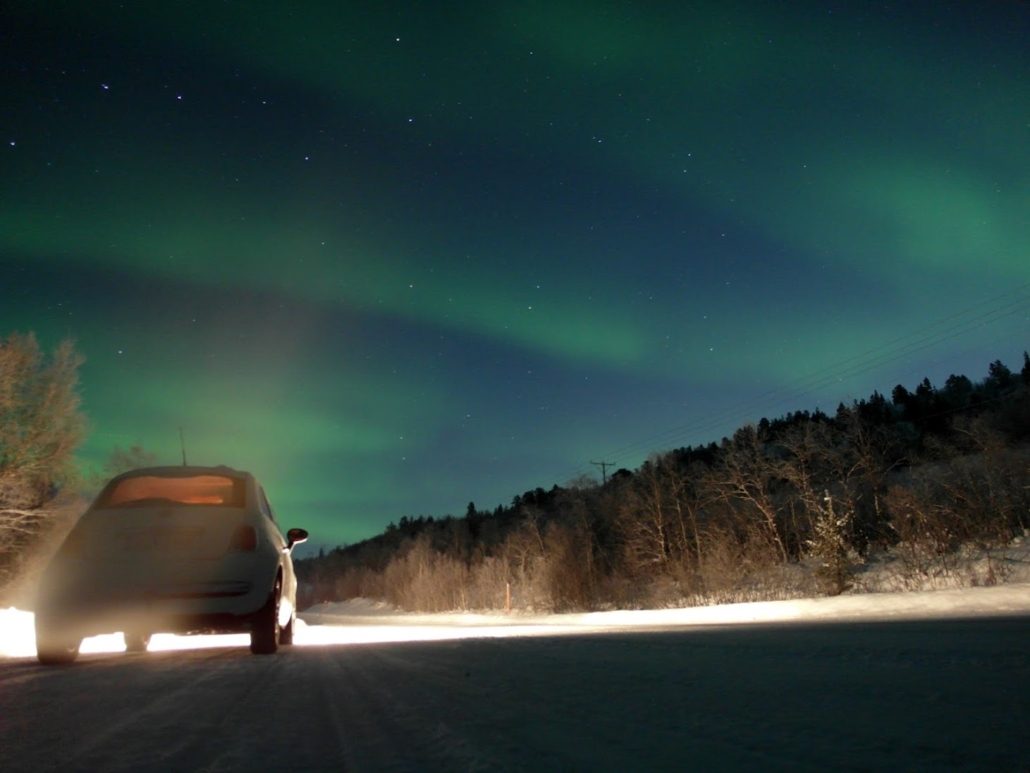
In northern Finland, you might feel the urge to stop suddenly to admire reindeer or the northern lights. However, always choose a proper parking area or marked space where you can leave the car safely. Heavy traffic—including large trucks—uses these roads, and stopping behind a bend or hill can be extremely dangerous.
Always respect people’s privacy as well—do not park on private property even if the view is tempting.
If you step out onto the roadside, wear a high-visibility vest so you can be seen clearly.
Read next
How to Act When Encountering Reindeer? Read This Checklist to Know
Driving on Ice Road – Yes, Literally on a Frozen Body of Water
How to Survive Winter in Finland: A Compact Guide
Related Content



Leave a Reply
Want to join the discussion?Feel free to contribute!