

How to Survive Winter in Finland: A Compact Guide
Finland’s winter is a season of extremes: snowy landscapes, bone-chilling temperatures, short days and and long, dark nights. But fear not—this guide will help you navigate the frosty months like a local! From dressing in layers to staying safe on icy roads, embracing the cozy slowness of winter to savoring traditional cold-weather activities, you’ll learn how to make the most of this magical time of year.
1. What to Wear in the Finnish Winter
Finns master the art of layering from infancy. On a typical chilly winter day, here’s what you’ll need to wear:
- Start with thermal long johns and a long-sleeved base layer.
- Add your regular clothes, such as jeans or sweatpants and a winter-appropriate sweater.
- Top it all off with a scarf, a warm hat, gloves, and a winter jacket. Finnish wardrobes typically include coats for temperatures ranging from +10°C to -30°C (50°F to -22°F).
- If it’s particularly cold, you’ll see people pulling on an extra layer of pants—namely, insulated snow pants!
Once dressed, you’re ready to face the outdoors. Slip on sturdy winter boots, preferably ankle-high or taller. They should suit the weather: waterproof for slush and warm for freezing temperatures. You’ll need the height for stepping into snow or slush, even in urban areas.
For added coziness indoors, many Finns wear wool socks over their regular socks during winter.
2. A Reflector is very useful
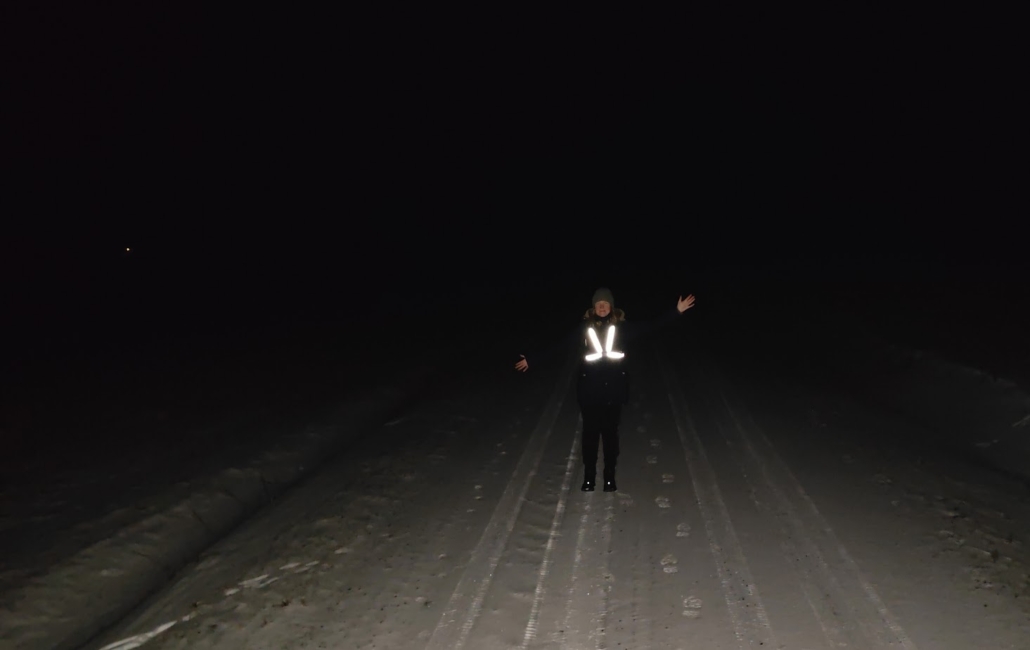
Winter in Finland means long, dark days. To stay safe—literally, to save your life—always wear reflectors. Attach at least one dangling reflector to your clothing, or better yet, wear a reflective vest or harness. These are available at Finnish supermarkets like Prisma, Citymarket, and Tokmanni. They ensure drivers can spot you even on the darkest nights.
Reflective accessories in Finland go beyond the basics. You can find hats, gloves, bags, and even stroller covers made from reflective materials. The key is to make sure something you’re wearing reflects light!
Fun fact: The pedestrian reflectors are a Finnish invention! We recommend adopting them wherever darkness falls.
3. Preventing Slips and Falls
Your winter boots are warm and sturdy—great! But Finnish winters often mean icy conditions. To navigate them safely, you’ll need studded footwear. If you’re visiting Finland briefly, buy or rent detachable spikes for your shoes. For example, Finland’s Nature Center Haltia in Nuuksio and Nature Centre Ukko in Koli rent out shoe spikes.
Important: Spiked shoes damage indoor floors. Always take them off at the entrance, as is customary in Finland, where people generally walk around indoors in socks.
4. Embracing the Darkness
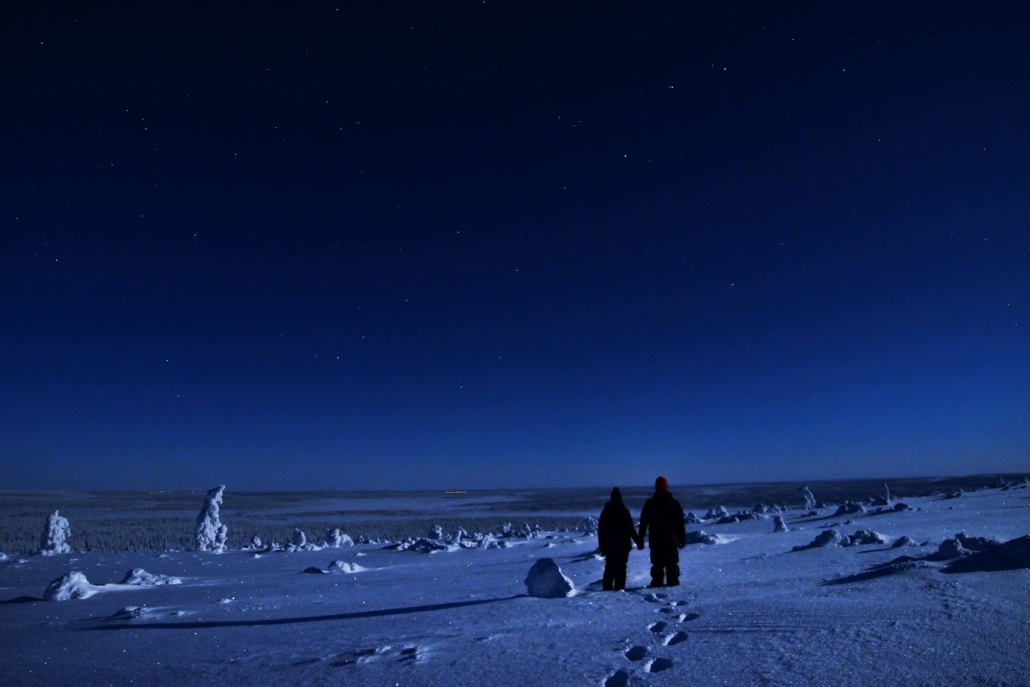
Bring a flashlight or headlamp, as streetlights don’t cover every area, and head outside. Being outdoors is central to Finnish life, even in winter, and it’s great for both mental and physical health. In rural areas, the darkness can be breathtaking, with stars—and in the north, the northern lights—shining brightly on clear nights.
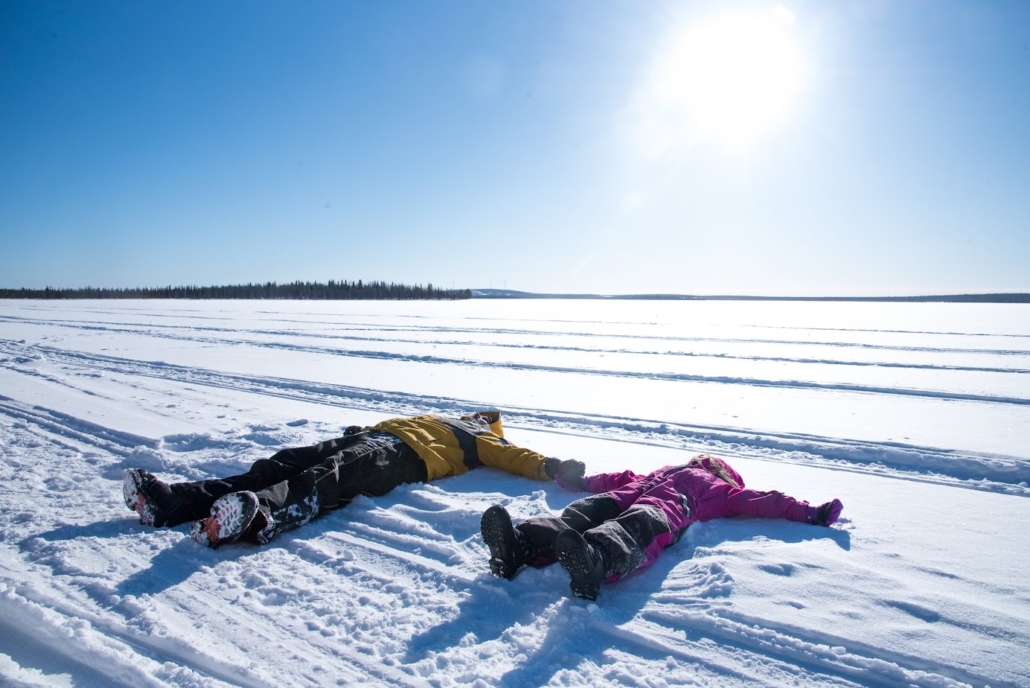
During the day, try traditional Finnish winter activities like kicksledding or ice skating. If there’s heavy snow, rent snowshoes and explore the forest. It’s absolutely delightful to enjoy the darkness by a campfire at one of the designated, official fire pits, perhaps in a national park. Watching the flames as darkness falls is soothing, a perfect way to warm up, and a quintessentially Finnish pastime.
5. Sauna: Your Winter Sanctuary
A sauna isn’t just for relaxation and hygiene—it’s a weapon against the cold.
In authentic Finnish saunas, the temperatures are truly hot: typically ranging from 70 to 100 degrees Celsius (158–212 degrees Fahrenheit). After a while, the cold winter air outside might even start to feel inviting! Luckily, in many saunas, you can step outside between sauna sessions, alternating between the heat and the cold.
6. Eat Well
Make sure you’re fueling your body! Winter is the season for hearty, warm meals. Time slows down in winter compared to summer, so it’s easier—and more enjoyable—to linger over good food.
7. Ice Safety: Stay Off the Ice
Walking on ice is often not safe. Ice strength varies by location, and while it might support you at first, a few steps later, you could fall through. Areas under bridges or near river mouths are particularly risky.
To stay safe, never walk on ice unless you see a marked path others are using. On some Finnish lakes, official skating and kicksledding routes are maintained and monitored for safety.
8. Slow Down and Embrace Winter’s Pace
Winter and its darkness offer the perfect opportunity to relax, slow down, and enjoy a cozy, “hygge” lifestyle. Let go of rigid schedules and constant productivity. Curl up on the couch, linger by a campfire, wander in the woods without your smart devices tracking your every move, and simply savor the fact that you exist.
9. Winter Driving in Finland
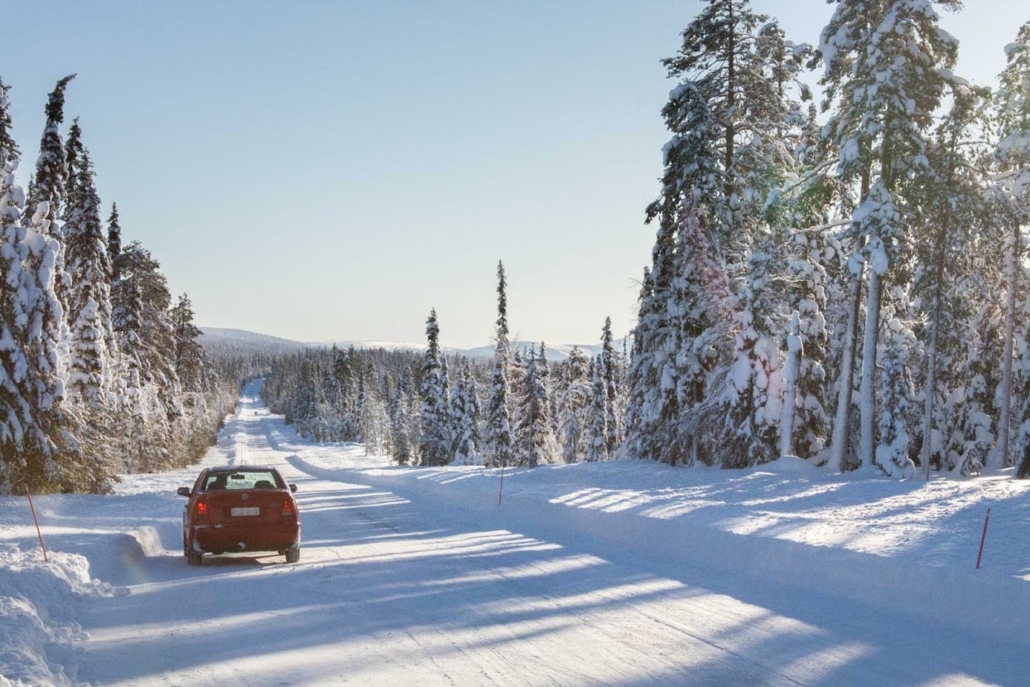
Winter driving in Finland requires caution:
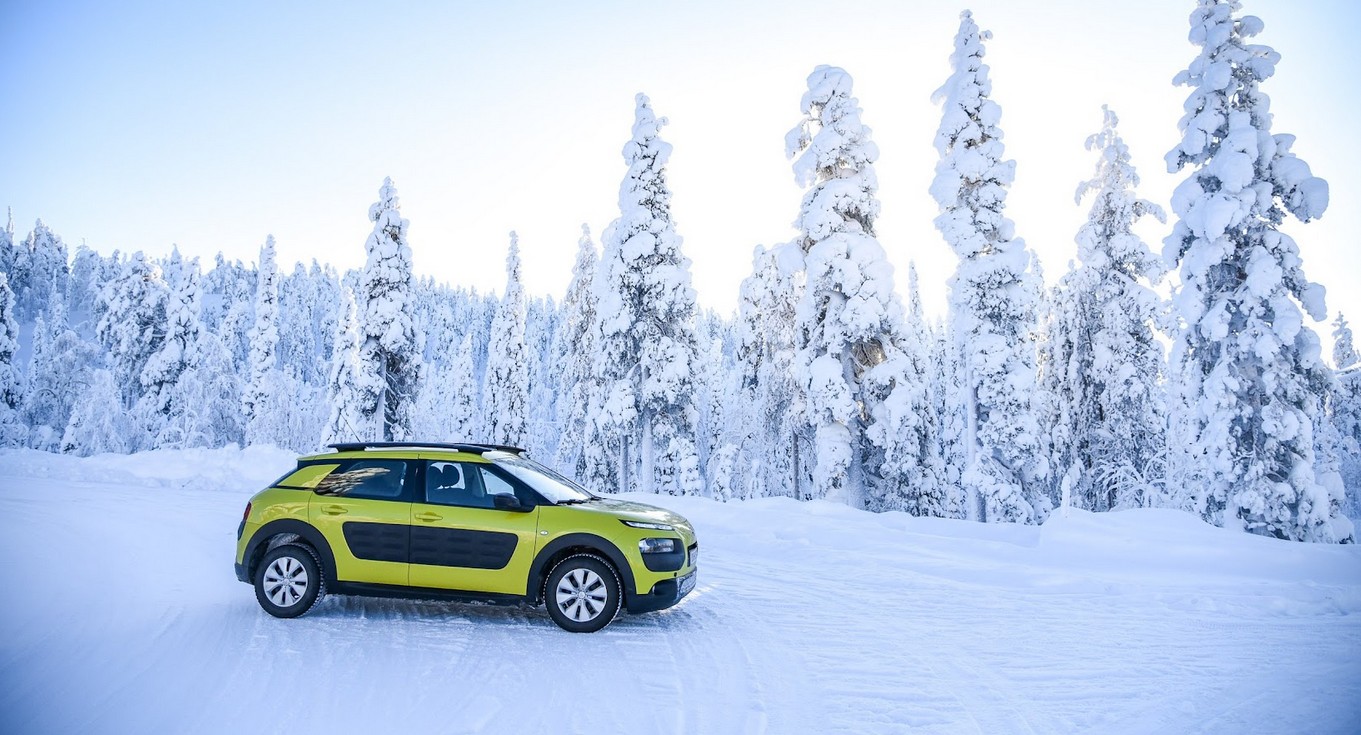
- Ensure your car has studded or friction tires with good tread.
- Use an engine block heater for 1–2 hours before starting the car; if you have a radiator heater, it may need 4–6 hours depending on the temperature.
- If heating isn’t possible, let the engine warm up for a moment after starting.
- If your car has a separate interior heater, turn it on when you plug the car in or at the latest when you start it.
- Set the ventilation to blow warm air onto the windows to prevent interior fogging.
- Clear all snow and ice from the car, including windows, lights, license plates, and the roof, using a snow brush and scraper. In a pinch, a parking disc works too! Full visibility is required by law.
- Carefully free the windshield wipers by hand—they are likely frozen to the windshield, and attempting to turn them on could damage the wiper motor.
- Be prepared for emergencies: keep warm clothing, a reflective vest, a small snow shovel, a flashlight, a phone charger, and anti-slip mats or sand in your car.
- Drive slowly to adapt to icy roads.
- Keep extra distance from other vehicles to allow for safe braking.
Stay alert: In Finland a moose, deer, reindeer, or pedestrian might suddenly appear in front of your car. Typically, only pedestrians are likely to use a reflector. Others can be difficult to spot, so focus on driving and turn on your high beams whenever there is no one driving ahead of you or approaching from the opposite direction.
Read also
Winter Fun 101: Mastering the Finnish Art of Snow Play
Winter Magic at Vantaankoski rapids: A Quick Escape to Nature near Helsinki
Winter magic of Lapland on top of Pallas
Snowshoeing – Easy Winter Fun!
Related Content



Leave a Reply
Want to join the discussion?Feel free to contribute!