

A Majestic Giant: The Rotomänty Pine, Salo
The large, beautiful city of Salo, is gently waking up to spring. In Finnish, the word salo means a vast, wild forest, and true to its name, this coastal city between Turku and Helsinki has no shortage of woodlands. While browsing a topographic map near the villages of Kisko and Suomusjärvi, I stumbled upon something intriguing: a star on the map, accompanied by an irresistibly inviting label in green: “Rotomänty Rauh.” meaning Rotomänty pine, protected.
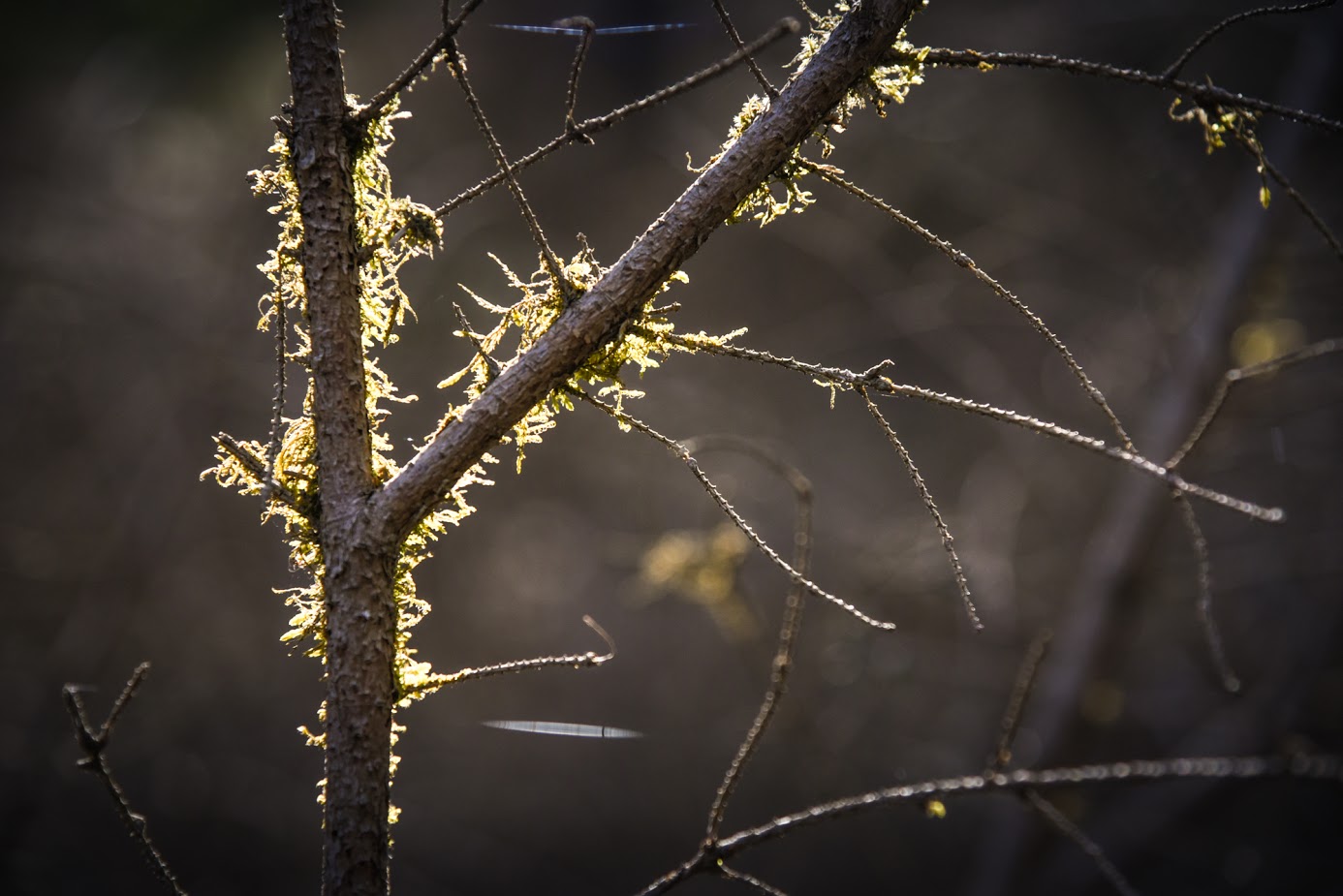
The spring evening was sunny, and by twilight the sunlight had turned warmly slanted. My mother and I drove to the eastern end of Lake Lahnajärvi to see what this Rotomänty looked like.
Mänty means ‘pine’ in Finnish, but on the way, we pondered the meaning of the word roto. Neither of us could come up with a definition. Next to the tree rises a hill called Rotonmäki (‘Roto hill’), and according to one source, the word roto may derive from the Inari Sámi language, meaning “grove.” Another source suggests that roto refers somehow to the tree’s “hereditary excellence.” Whether that’s the case or the true explanation lies elsewhere, I cannot say.
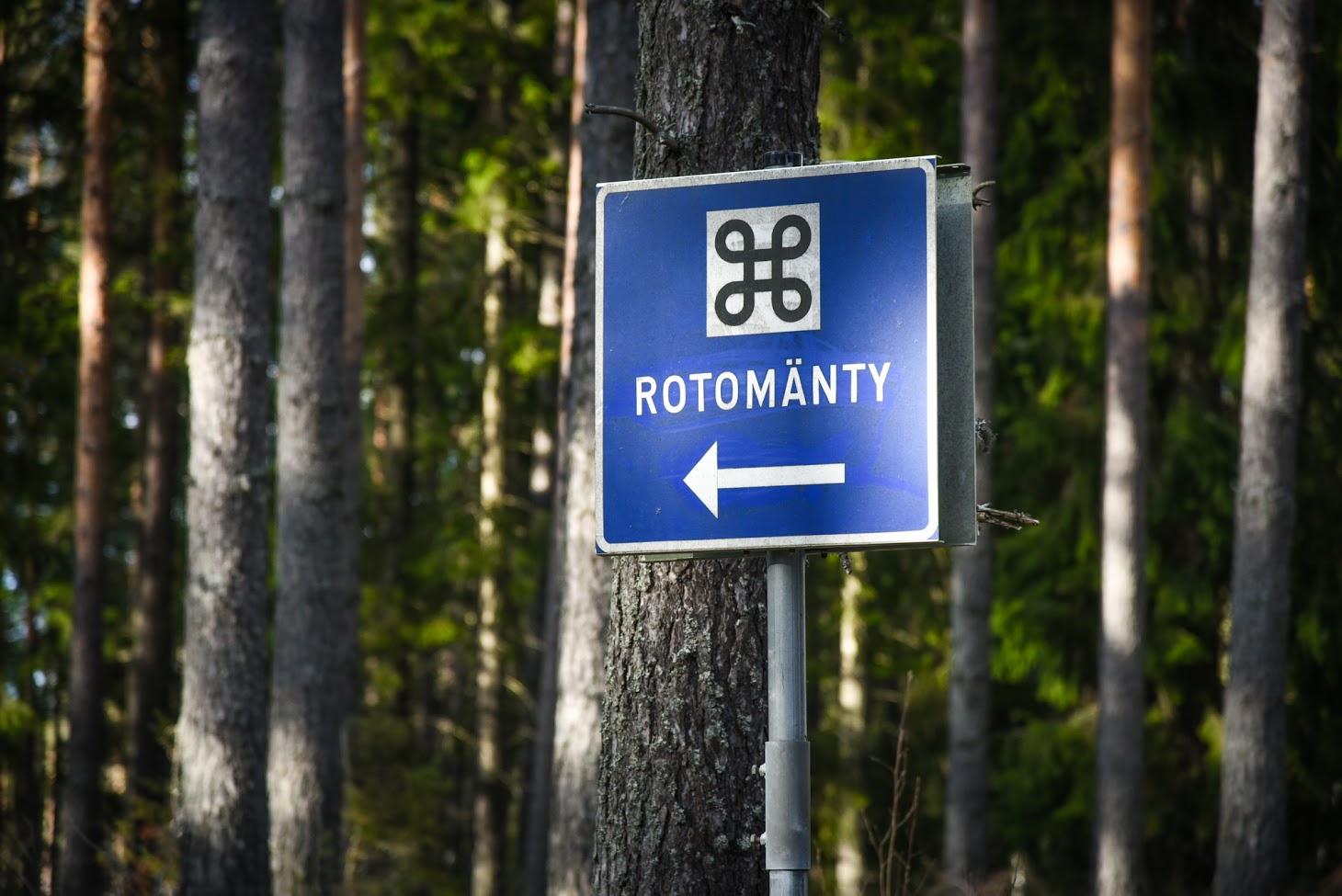
To my surprise, I noticed that the tree was even marked with a looped square symbol — in Finland, this signifies a general point of interest.
My jaw dropped involuntarily in astonishment, and I had to crane my neck as far back as it would go: oh wow, what a tree.
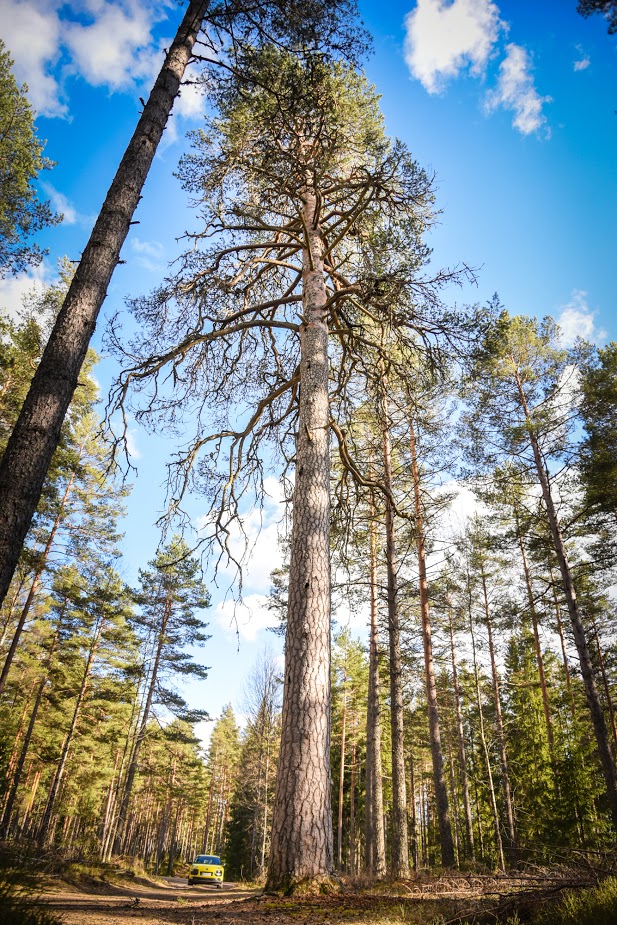
The Rotomänty stood basking in the evening sun like a true sovereign of the forest. In just a couple of centuries, it has managed to grow a massive, straight trunk that reaches skyward with a lofty crown. This pine never saw the need for twists or curls, neither in its trunk nor its branches. It simply grew a straight shaft from which sturdy limbs extend.
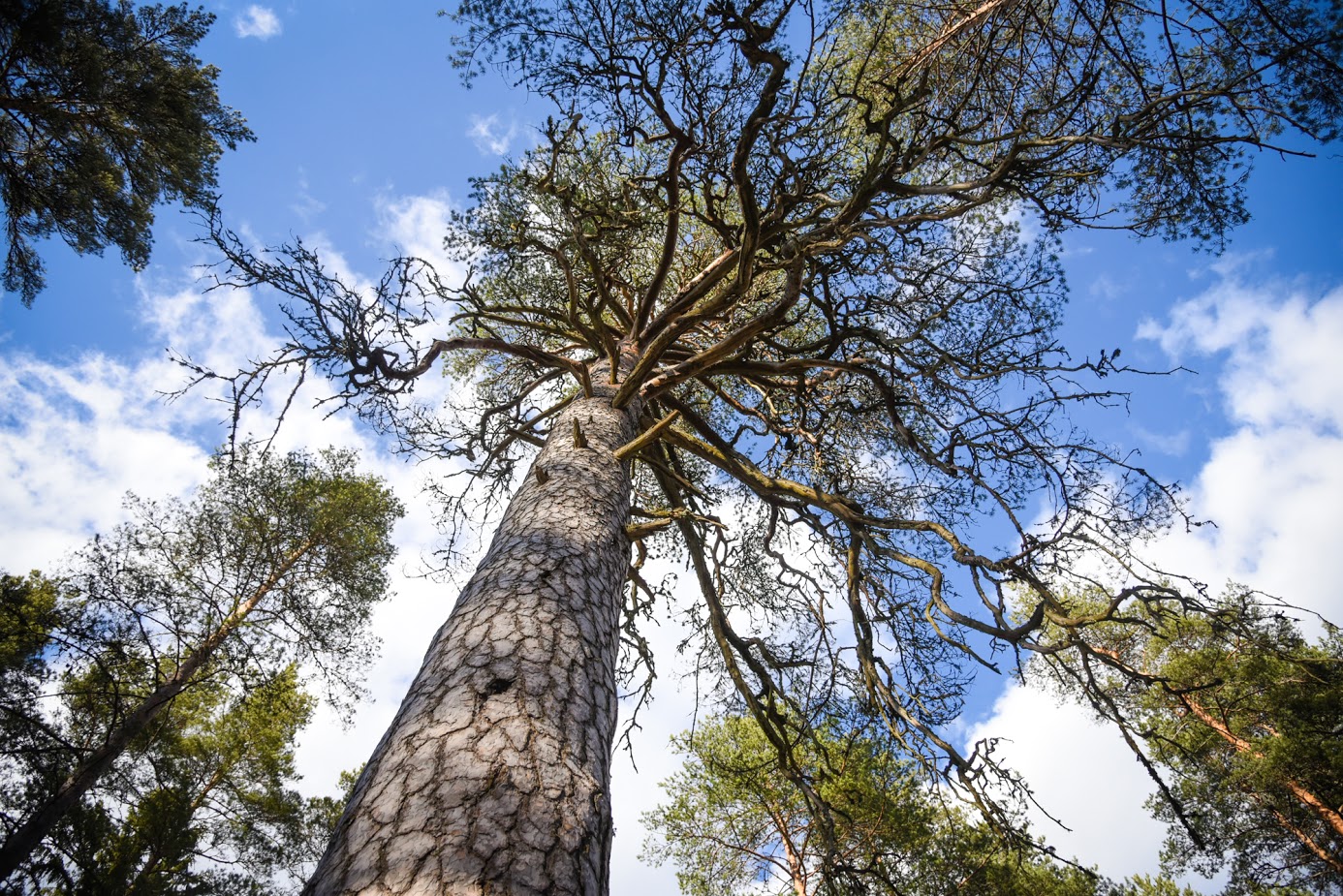
I gave the tree a hug. It was impossible not to — if only to see just how far its thick trunk stretched beyond my arms. I pressed my ear against its bark and felt its texture with my hands and cheek. The bark crackled gently beneath my fingertips and below my ear.
The feeling was warm and steadfast, something eternal. This tree has witnessed much and lived long, yet it doesn’t feel weary — it is still full of vitality.
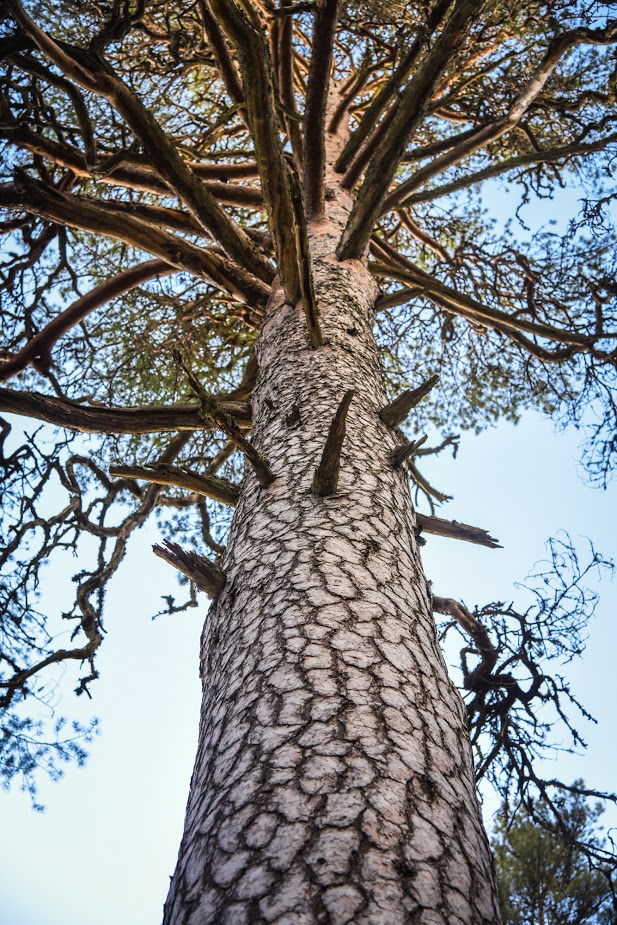
Its trunk is protected by a thick shield of plated bark. In places, the heavy outer layer bore round, black holes — signs that the giant pine is still very much in use by the smallest dwellers of the forest. There was evidence of this all around its base. The bark itself, however, was intact, which made me feel both relieved and grateful — it would take a special kind of fool to carve anything into this tree’s side.
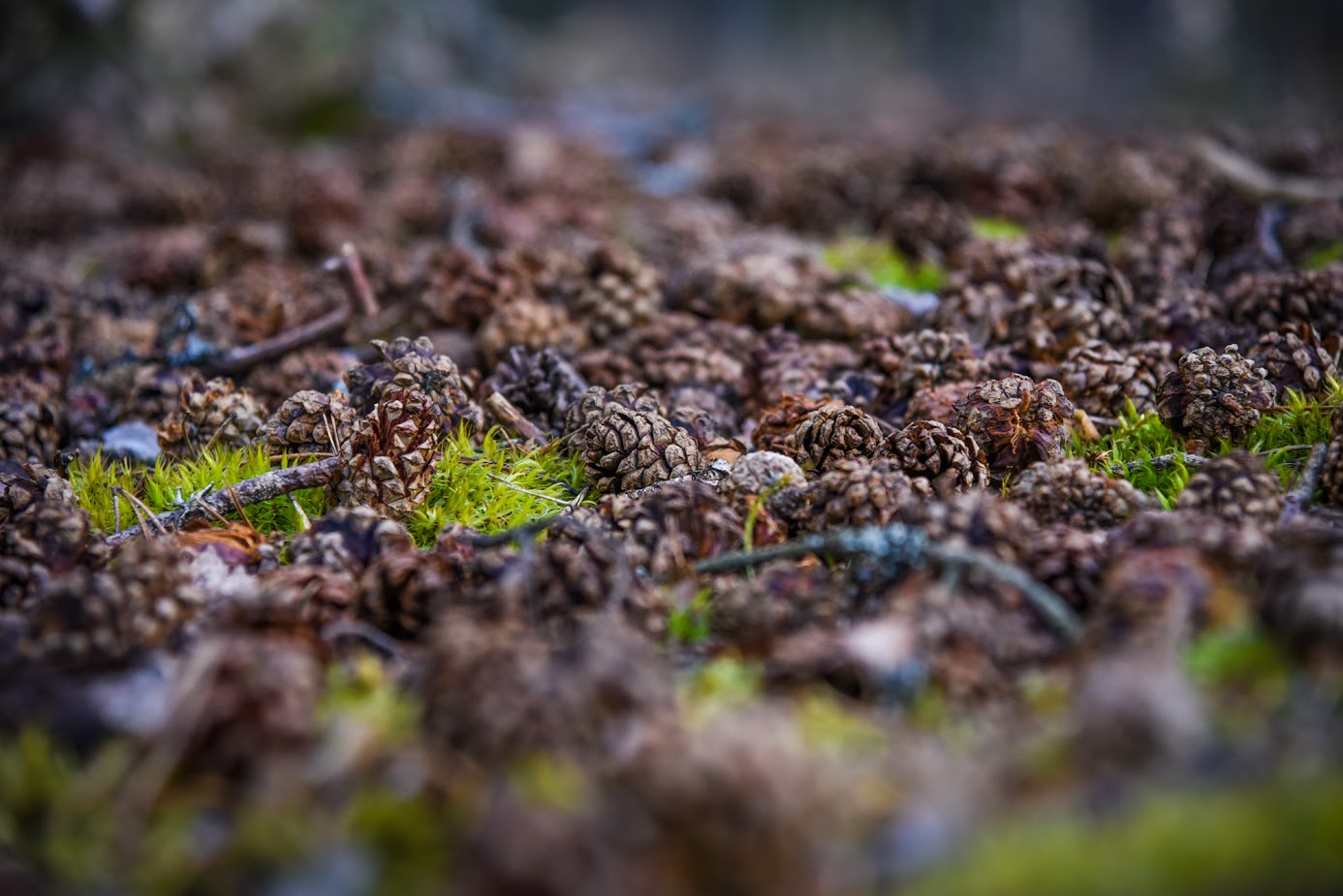
My mother looked up information on the tree while we were there. According to the sources, the tree is 18 metres tall and estimated to be 200 years old. It was granted protected status in 1959.
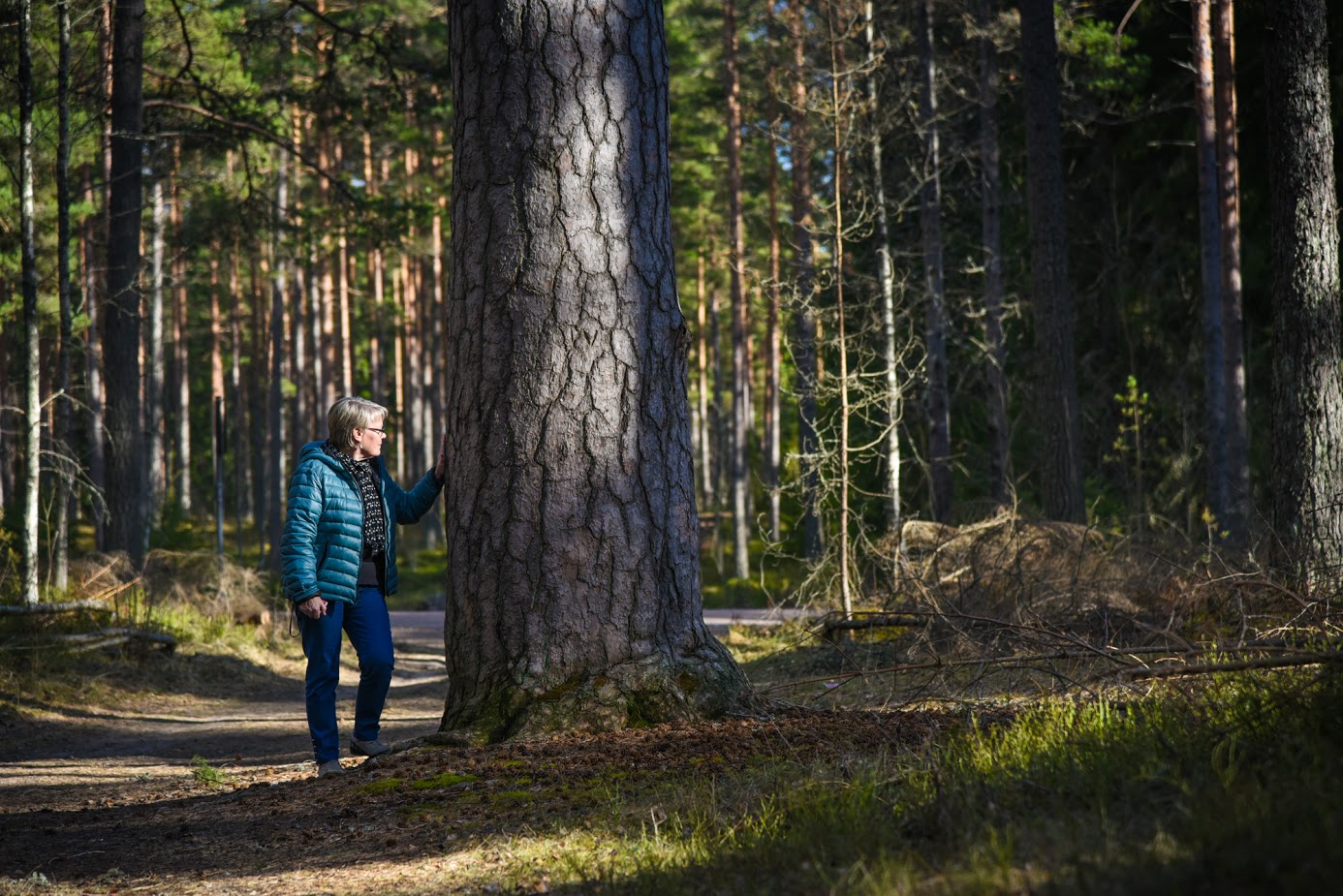
Rotomänty is just a short detour off the Turku–Helsinki motorway at the Lahnajärvi exit. The final stretch of the route is a brief gravel road, which — at least at the time of our visit — was in excellent condition. There’s a small parking area next to the tree. Aside from the road sign, there’s no additional information provided on-site.
More to see in Salo
Tip for Teijo National Park: The Small Ironworks Village of Kirjakkala and the Onnelannummi Trail
A Trek Through the Dark Forest – Experiencing the Safety of Finnish Nature
This is the most enchanting route in Teijo National Park: Matildanjärvi Loop Trail
Photo Series from Teijo National Park: This is the Nenusta Loop Trail
Related Content



Leave a Reply
Want to join the discussion?Feel free to contribute!