
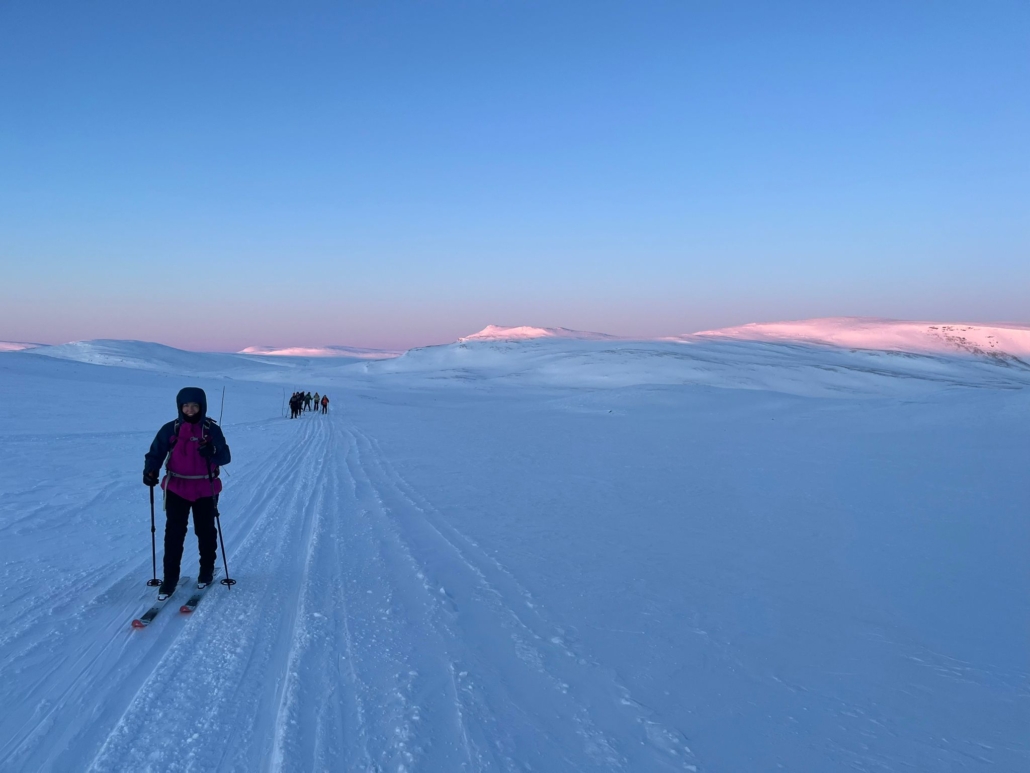
A Winter Wilderness Trek to Halti, Finland’s Highest Point
Jonna Viitaniemi stood on the summit of Saana Fell, gazing out over the wilderness of Lapland. She found herself wondering what it might be like to hike out there in the distance, far removed from the twists and turns of the human world. Saana, dressed in autumn colours, and the vast Kilpisjärvi wilderness stretching out around it left a lasting impression—one that later led Jonna to book a place on a guided trek into the Kilpisjärvi wilderness. The week-long journey took the group deep into the land of fells and all the way to Halti, the highest point in Finland.
The wilderness offered an escape from everyday life
The desire to disconnect from everyday life prompted Jonna to start considering a longer hike in Lapland. By choosing a guided tour, she made things much easier for herself than an independent trek would have been.
– I didn’t have the energy to start planning everything myself, figuring out routes and packing lists. It was much easier to have someone else think through all of that, so I could just follow along and enjoy life, Jonna sums up.
She compared the offerings of several companies in Lapland and eventually chose a package that would allow her to summit the highest point in Finland, Halti. The package also included skis and a pulk, so there was no need to rent any equipment.
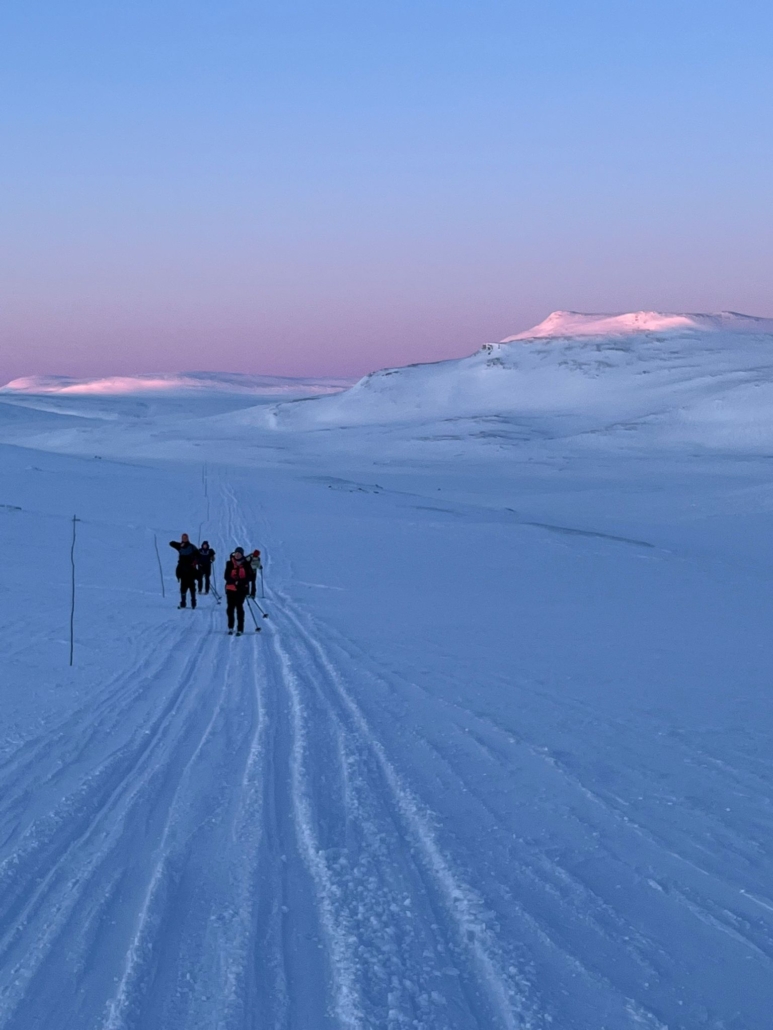
Jonna works in the sales team at Finland, Naturally, based at the Finnish Nature Centre Haltia in Nuuksio National Park, Espoo. The winter trek in the Kilpisjärvi wilderness was her first of its kind, as she had never before undertaken hikes longer than a couple of nights. However, having lived in Rovaniemi and travelled in Eastern Lapland, the nature of Lapland was familiar to her from different seasons.
Jonna was not worried about whether she would cope with such a wilderness trek.
– I trusted my fitness level, and we also had backup equipment with us. To take part in the trek, you needed to have a good basic level of fitness and know how to ski. I enjoy classic cross-country skiing anyway, and I also had experience with forest skis and trekking skis. I believe my military experience was also useful on this trek, Jonna reflects.
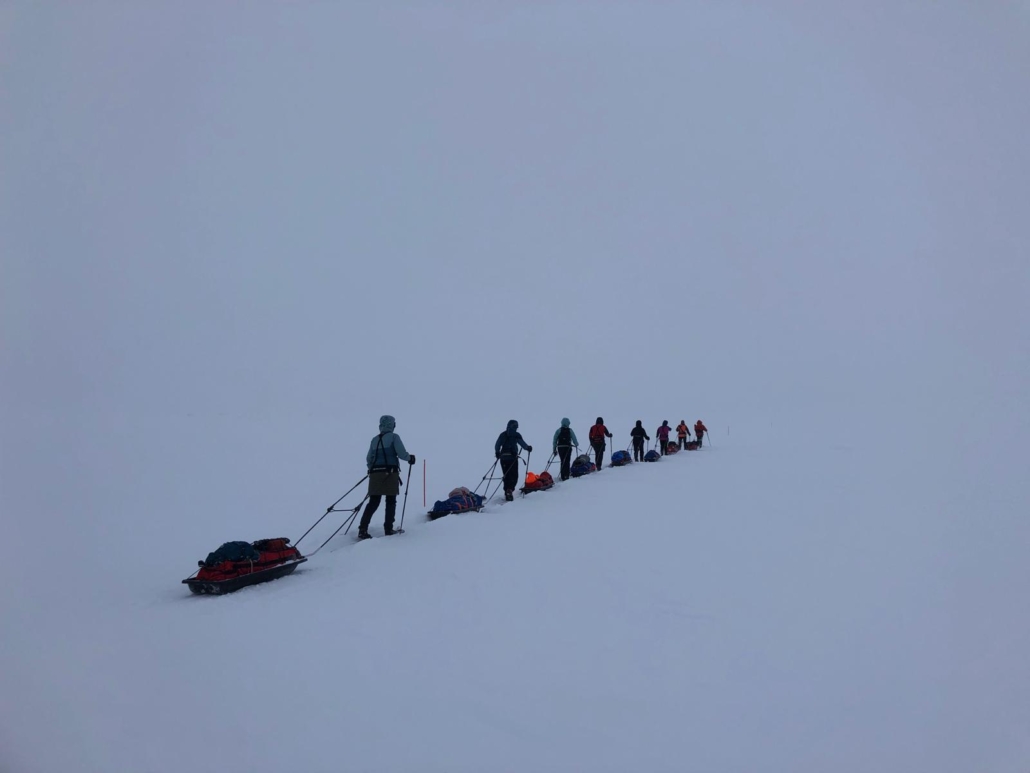
A six-day circuit
In addition to the guide and a trainee guide, the group included women ranging in age from millennials to around 60 years old. The journey began after a night spent at a hostel in Kilpisjärvi, setting off in a biting –28°C frost. The pulks were packed according to lists provided by the guides, and everyone had brought food for slightly longer than the planned time in the wilderness—an important precaution when heading into remote areas.
In addition to food, the equipment list included all the necessary utensils and other essentials. Jonna simply had to follow the list when packing her gear.
– I wouldn’t have thought on my own that food needs to be packed in plastic or metal containers so that mice can’t get into it. I had also packed food for two extra days because I had miscalculated how long we would be out in the wilderness, Jonna laughs.
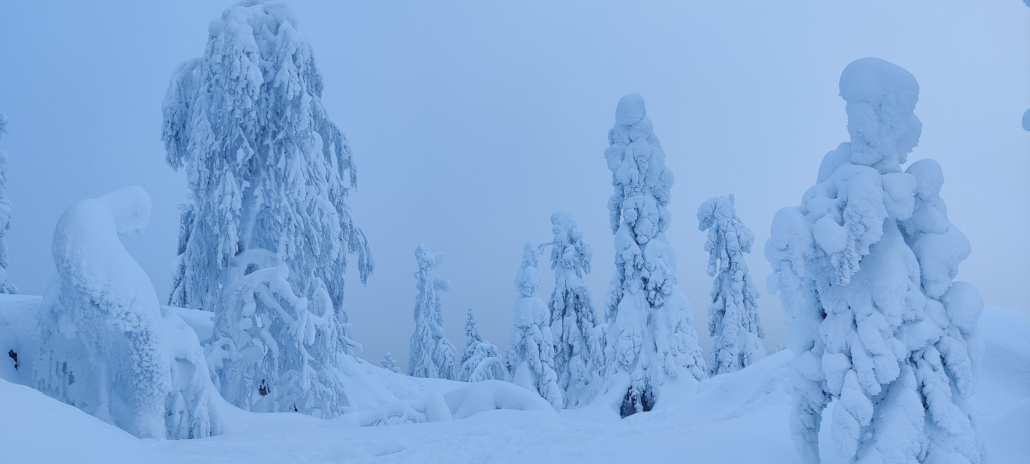
Almost immediately after the trek began, the group started shedding layers—the intense cold seemed to ease almost completely higher up in the fells, and the bright late-winter sun had the skiers sweating.
– We had really good weather throughout the trek. It was very sunny, though there were also some snowstorms along the way. I remember seeing oncoming skiers and noticing how strong the headwind was for them. That’s when I felt grateful that we were able to travel with the wind at our backs.
“What’s the point of this, anyway?”
The group’s route took them from Kilpisjärvi via Saarijärvi to Meeko, and from there to Pitsus, where they stayed for two nights and made the ascent to Halti. The final stretch led back to Kilpisjärvi via the Kuonjarjoki River. Daily distances ranged from 10 to 20 kilometres, and along the way they spotted not only ptarmigan but also what may have been wolverine tracks.
– At times while skiing, I found myself wondering what the point of it all was. Skiing could be monotonous at times, but as soon as you reached a break or a cabin, there was this rush of euphoria about how wonderful everything was. It was also amazing to be without a phone for that whole week, Jonna says.
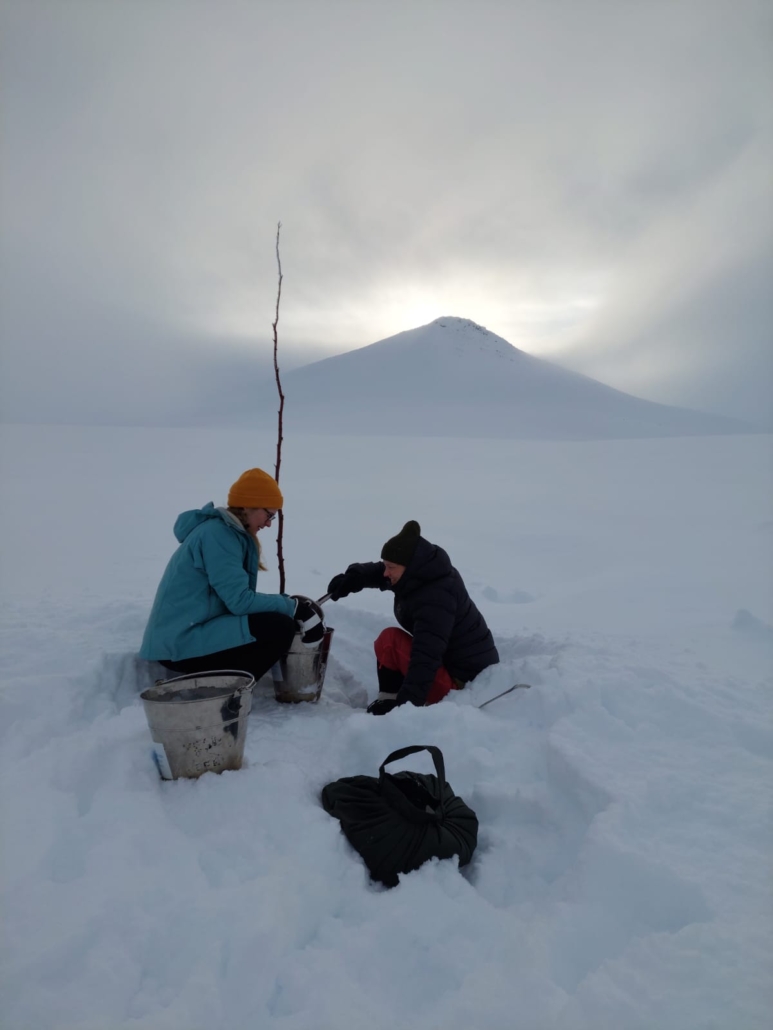
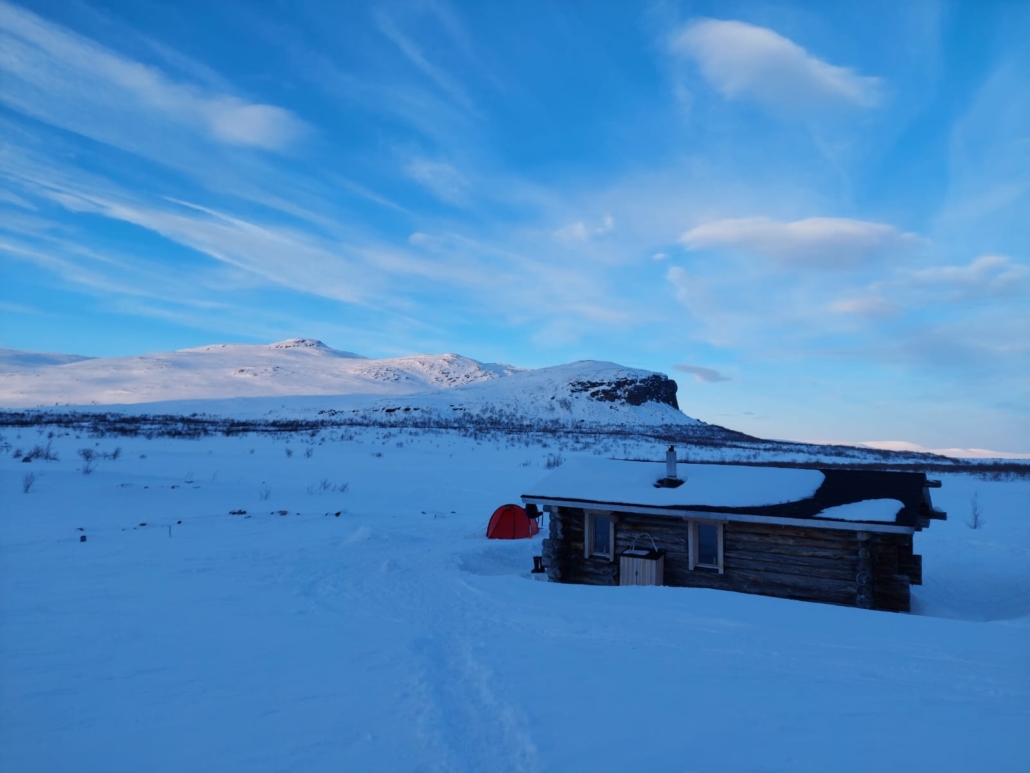
Tents had been packed along as a precaution in case bad weather forced the group to camp, but the journey progressed smoothly from one wilderness hut to the next. This suited Jonna well.
– Even on a week-long hike, it feels very luxurious to be able to warm up inside a hut. You can dry your clothes properly, relax, and everyone has at least a bit more space. I had thought I might spend a night or two in a tent, but in the end, the huts were more comfortable.
In the wilderness areas of Lapland, there are different types of huts: open wilderness huts are available to everyone free of charge and without advance booking, while reservable huts must be booked separately and require a fee. Reservable huts are also a good option for independent hikers who want to have the entire hut to themselves and their group—in open wilderness huts, the rule is that space must always be made for newcomers, even if it means that those who arrived first may have to move out and sleep in a tent. This is also one of the reasons why you should carry a tent with you even when your plan is to stay overnight in huts.
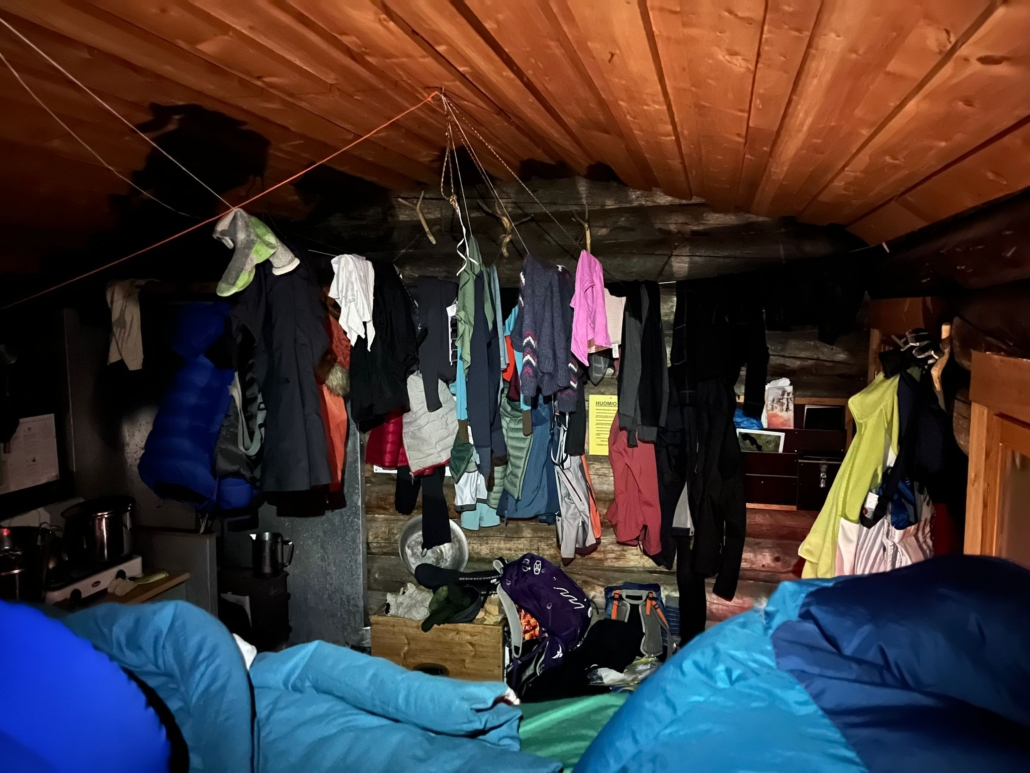
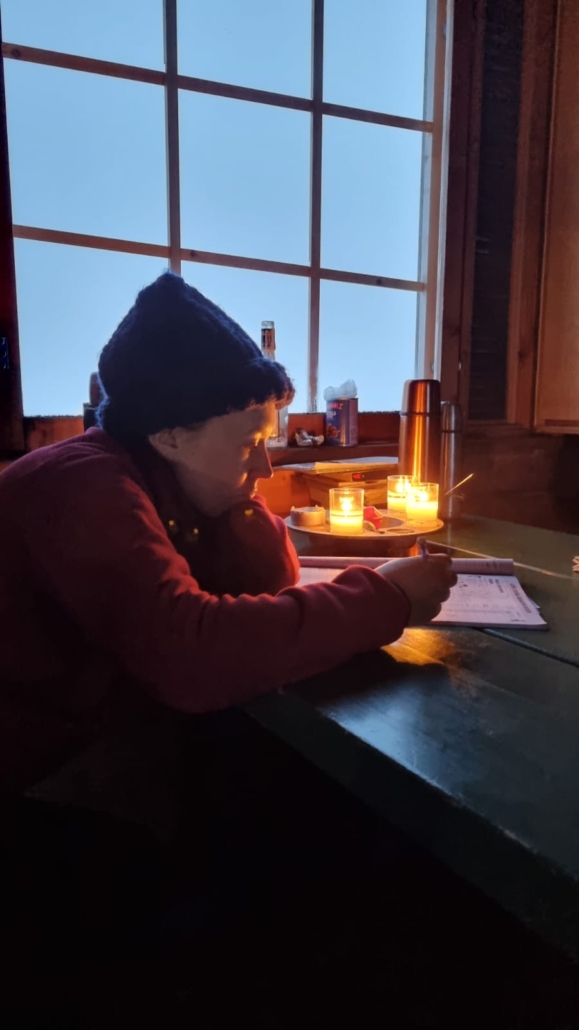
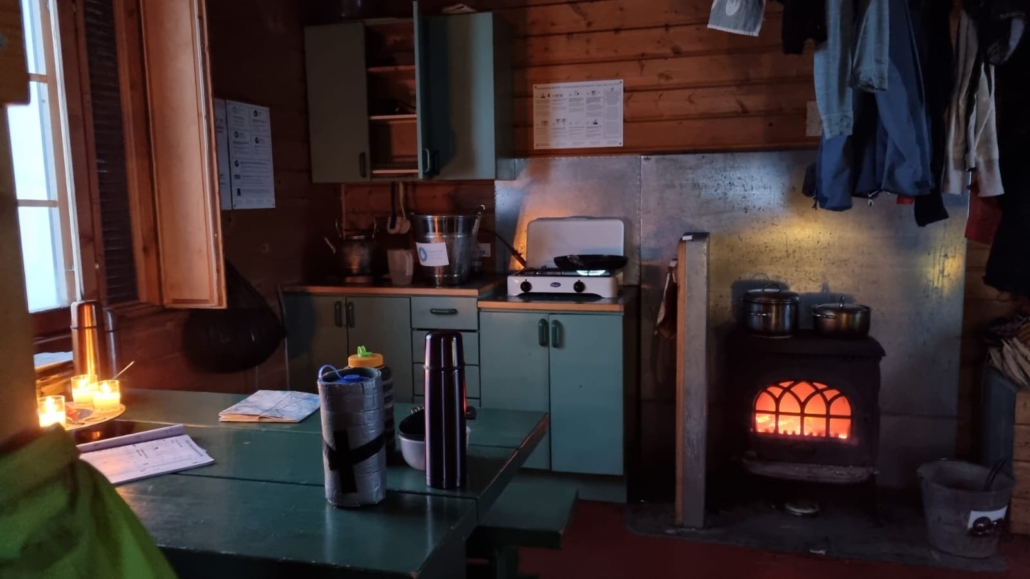
Evenings at the huts passed quickly. Some people played cards, while Jonna’s favourite pastimes were enjoying good food and doing crossword puzzles.
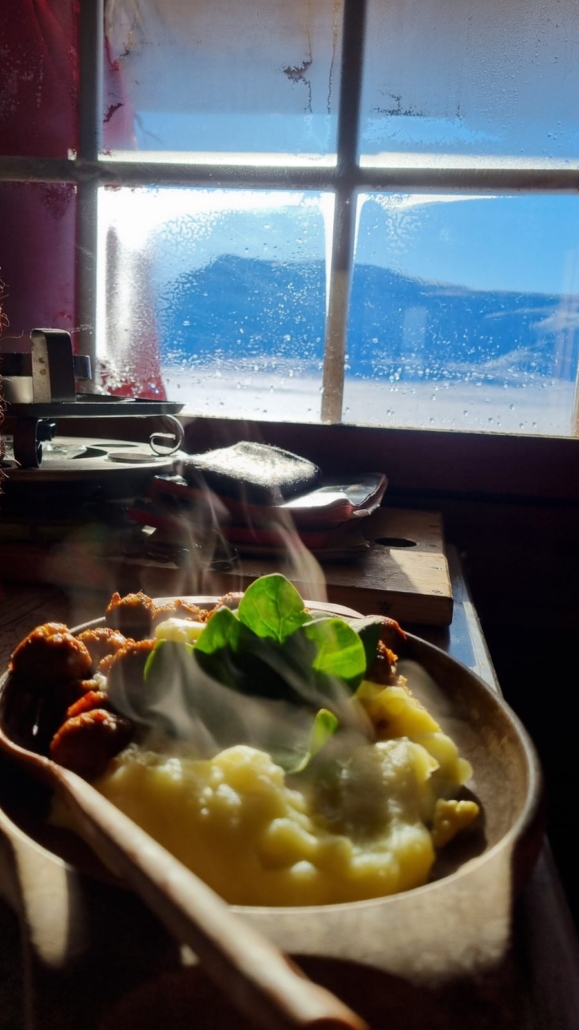
– We spent a lot of time cooking. On a winter trek with a pulk, you can bring along all kinds of gourmet treats. I had steaks, potatoes, vegetables, porridge, raisins, salted peanuts, dried fruit, dried meat, crispbread, cheese, honey and jam with me, Jonna lists.
Sunrise on Halti
While skiing, Jonna’s group had taken note of landmarks such as Saivaara fell, whose unusual, squat shape stands out in the Kilpisjärvi wilderness. The highlight of the trek, however, was the carefully timed ascent of Halti.
– We had received a weather forecast saying that snowfall would begin the following afternoon. So we set off from the hut to summit Halti at five in the morning, to make sure we’d be back before the snow started, Jonna recalls.
– Up there, the weather was clear and absolutely stunning. We arrived at the perfect moment to see the sun rise as we climbed toward the summit of Halti. It also felt quite special to think that years earlier I had stood on top of Saana wondering what it was like out here—and now I was finally experiencing it.
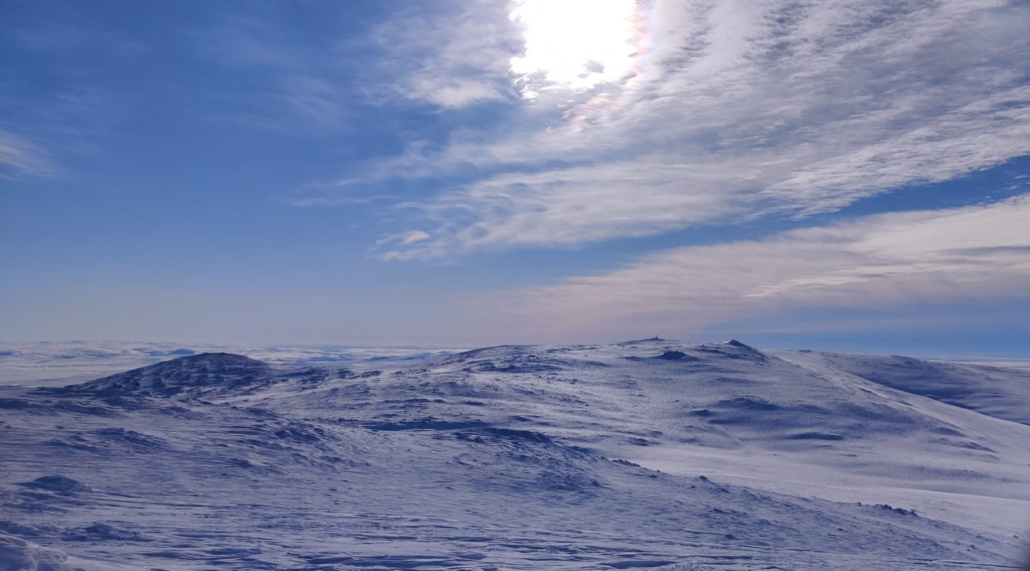
After descending from Halti and returning to the hut, the group was able to watch as the snowfall began. The timing had been perfect.
– The nights were also incredibly beautiful—we saw the northern lights and clear, star-filled skies.
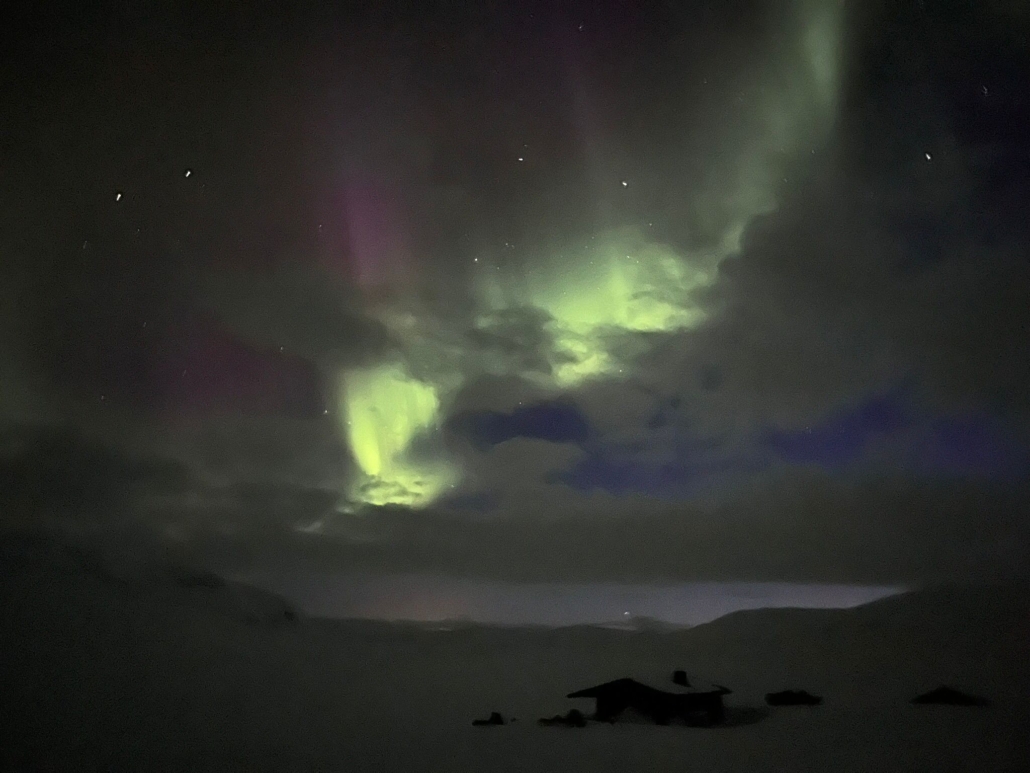
The six-day trek turned out perfectly—not only in terms of the weather, but in every other way as well. There were no setbacks along the journey.
– No one got injured; blisters on our feet were probably the biggest issue, but those were treated and bandaged as needed.
This year, Jonna does not have plans for a long trek, but fortunately it’s also possible to get a taste of wilderness close to home in southern Finland.
– I’m planning to take my friend out to spend one night outdoors, possibly in the Torronsuo area. She has never spent a night in nature before, so this time I get to be the guide for her, Jonna says.
Read next
One trip, three countries – Winter trekking from Kilpisjärvi
Heading to Finland to See the Northern Lights? Here’s How to Maximize Your Chances
These 7 summits in Finland are easy to reach and will take your breath away!
Spring Comes to Southern Finland: A February Day in Liesjärvi National Park
Related Content



Leave a Reply
Want to join the discussion?Feel free to contribute!