

Finland’s Midwinter and Midsummer: How They Differ Between Lapland and Southern Finland
Finland offers a striking contrast between light and darkness across its seasons. Midwinter and midsummer represent two extremes, and the experience of these seasons varies greatly depending on whether you’re in southern Finland, Lapland, or somewhere in between. Read this article to learn what to expect when visiting Finland in midwinter or midsummer.
Artcile by @jonna_saari
Midwinter in Lapland: The Quiet of the Polar Night
Midwinter in Lapland is a truly unique experience, one that not all Finns have had the chance to witness. The farther north you go in Lapland, the longer the polar night, or kaamos, lasts—a period when the sun doesn’t rise above the horizon at all. As of late November, the polar night has just begun in Finland’s northernmost municipality, Utsjoki. In Utsjoki, the polar night lasts for about 50 days, and the next sunrise—a very brief glimpse—will be seen in mid-January. In contrast, Rovaniemi, located on the Arctic Circle and much farther south than Utsjoki, doesn’t technically experience a full polar night for more than two days.
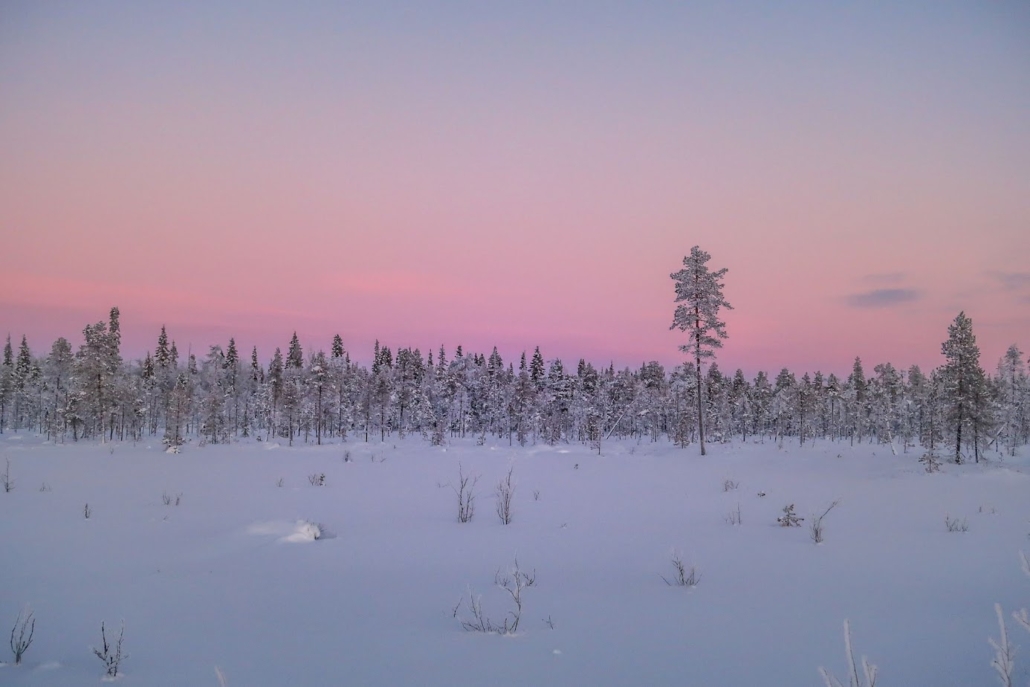
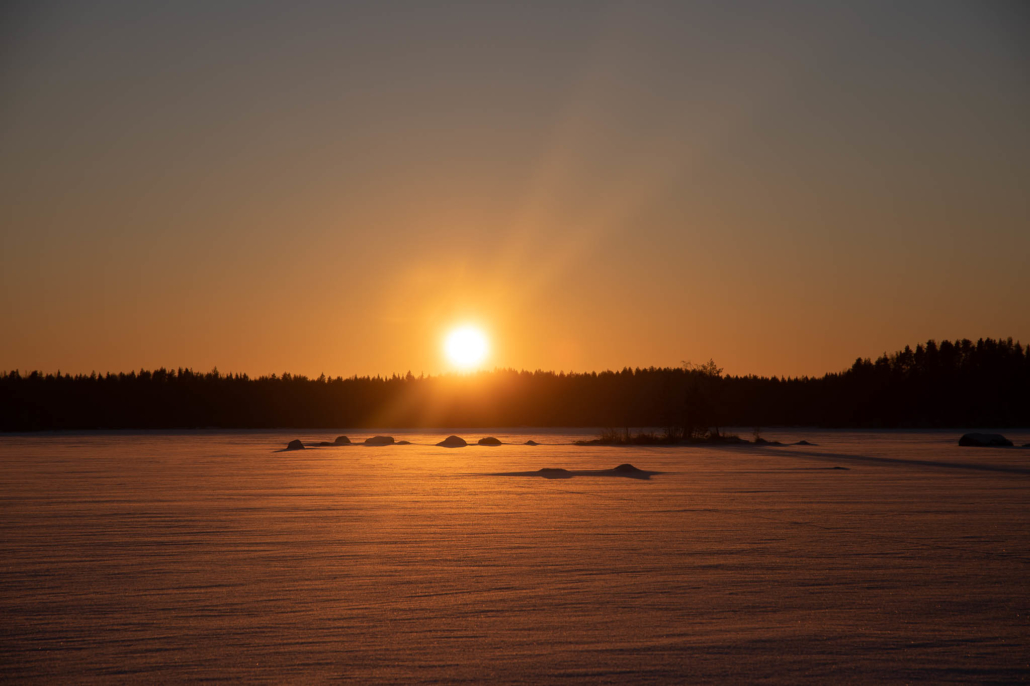
However, the polar night doesn’t mean total darkness. Around midday, the landscape is bathed in a soft blue twilight, known as the “blue moment”. Snow reflects this faint light, creating a serene, almost magical atmosphere. The horizon can sometimes take on pastel hues of orange or pink as the sun tries to peek over the horizon, even if it doesn’t fully appear. On clear days, if you climb a fell, you might even catch a glimpse of the sun during the polar night.
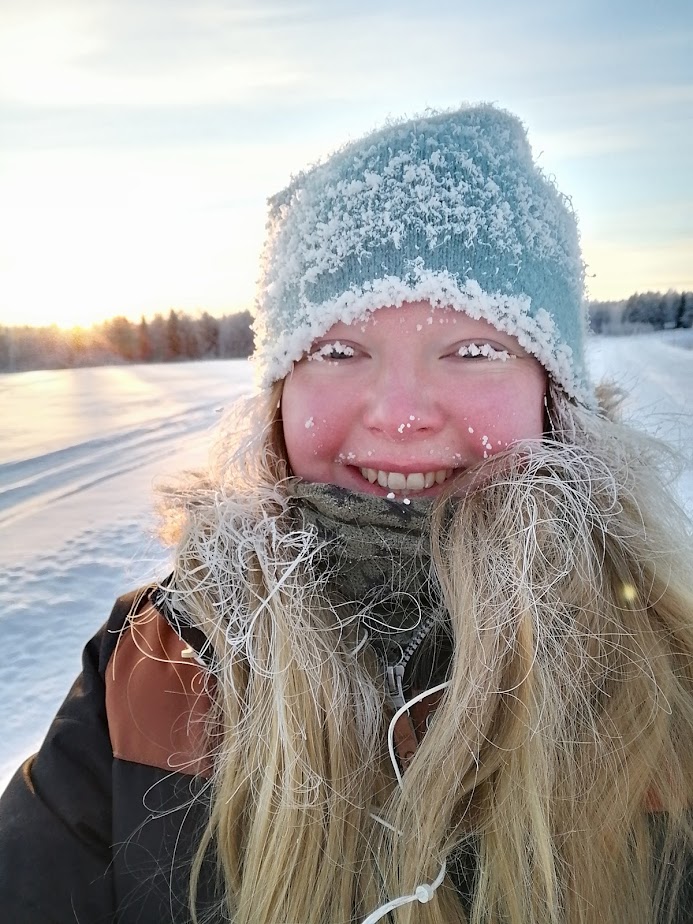
The polar night influences daily rhythms in Lapland. Winter temperatures, often ranging from −10 °C to −30 °C (-10°C equals 14°F, and -30°C equals -22°F), require both people and animals to adapt. Despite the cold, many people continue outdoor activities, dressing warmly enough to make even the harshest conditions enjoyable. It’s crucial to protect exposed skin, such as the cheeks and nose, to prevent frostbite.
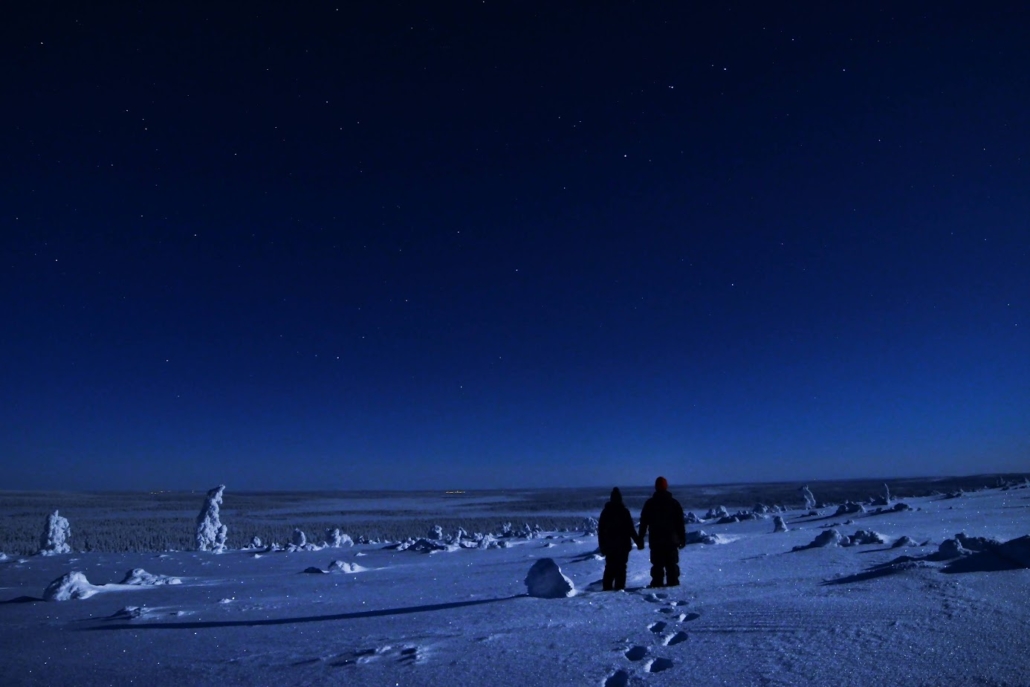
Cars also face challenges during the deep freeze, but many Lapland residents depend on them for commuting. Vehicles are typically plugged into heating outlets well before starting, with block heaters minimizing the strain on engines in extreme cold. On the coldest days, it’s not uncommon to see cars left idling in grocery store parking lots—a sight that surprises many visitors. Finns trust that even running cars will remain safe from tampering.
Midwinter in Southern Finland: Short Days, Long Nights
Midwinter in southern Finland is less dramatic than in Lapland, but darkness still dominates much of the day. In Helsinki, the shortest day, around the winter solstice just before Christmas, lasts only about 6 hours.
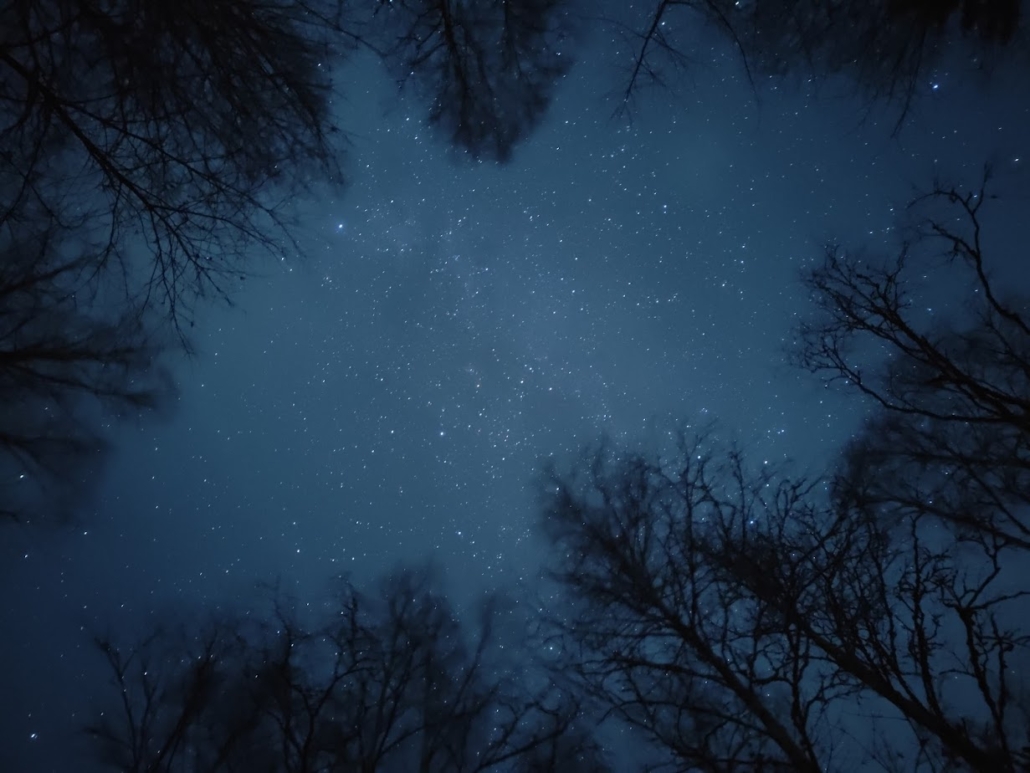
While southern Finland doesn’t experience a true polar night, the long, dark nights can impact energy levels and mood. Snow, if present, brightens the landscape. For instance, Nuuksio National Park, near Helsinki, is known for its snowy scenery. However, snow is less consistent than in Lapland, and it’s not unusual for the southern coast to have no snow at all during Christmas.
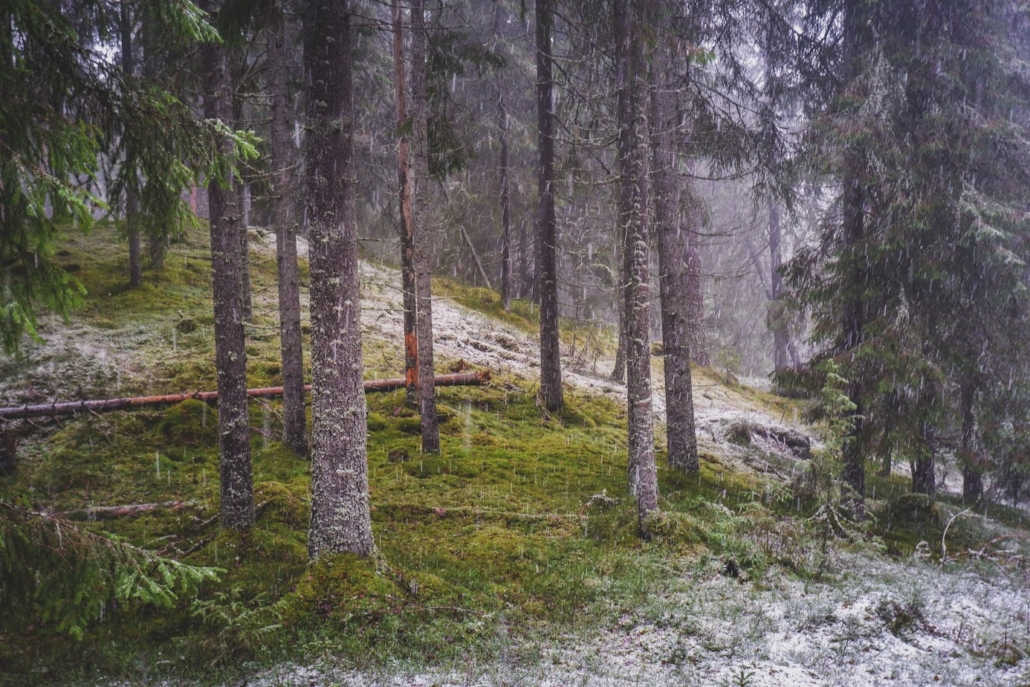
The “blue moment” of the afternoon twilight is rarer in southern Finland, but it does occur occasionally when there’s both snow and a clear sky. Having lived in both Lapland and southern Finland, I’d describe southern midwinter as predominantly black, compared to Lapland’s blue. The absence of snow in southern Finland can make the darkness feel particularly pervasive. Reflectors, or even reflector vests, are essential when walking in areas with traffic.
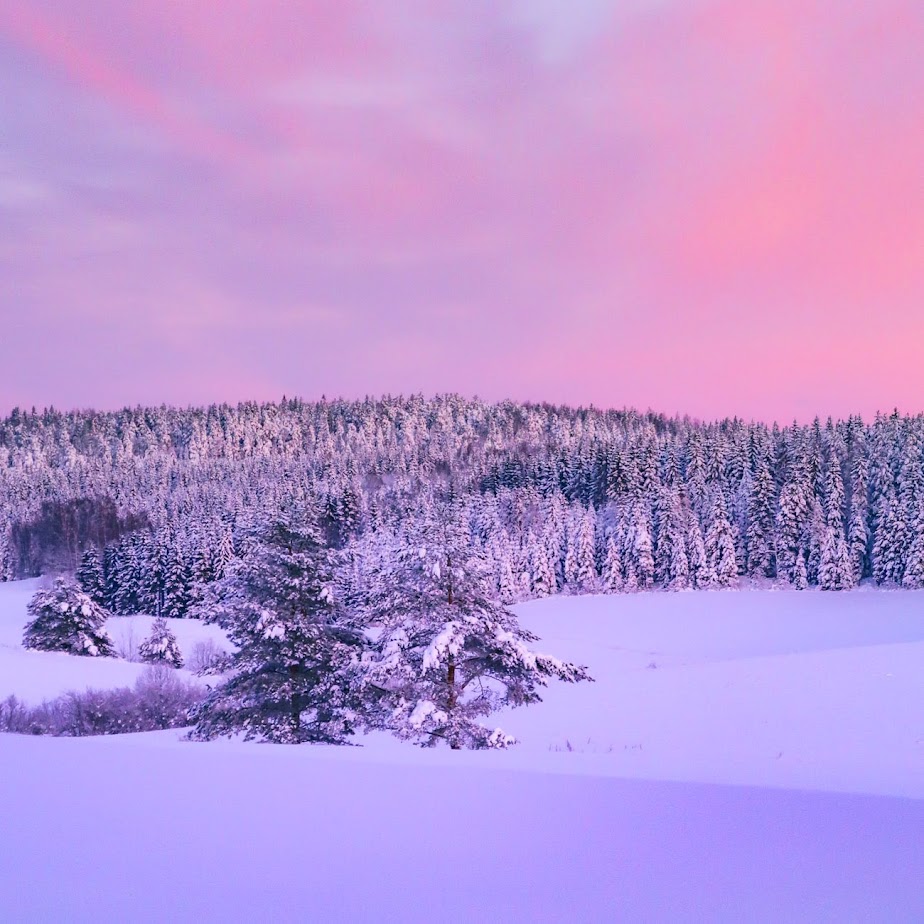
Midsummer in Lapland: The Midnight Sun and Nature’s Bloom
Lapland’s midsummer is the polar opposite of its dark winter. Once again, the midnight sun begins first in northernmost Lapland, Utsjoki. There, the sun doesn’t dip below the horizon for over 70 days, staying visible except when briefly obscured by clouds or nearby fells. The light of the midnight sun is unique, casting warm golden hues across the tundra. I’ll never forget waking up at 2 a.m. in Utsjoki to find the sun shining brightly through my window and straight into my eyeballs.
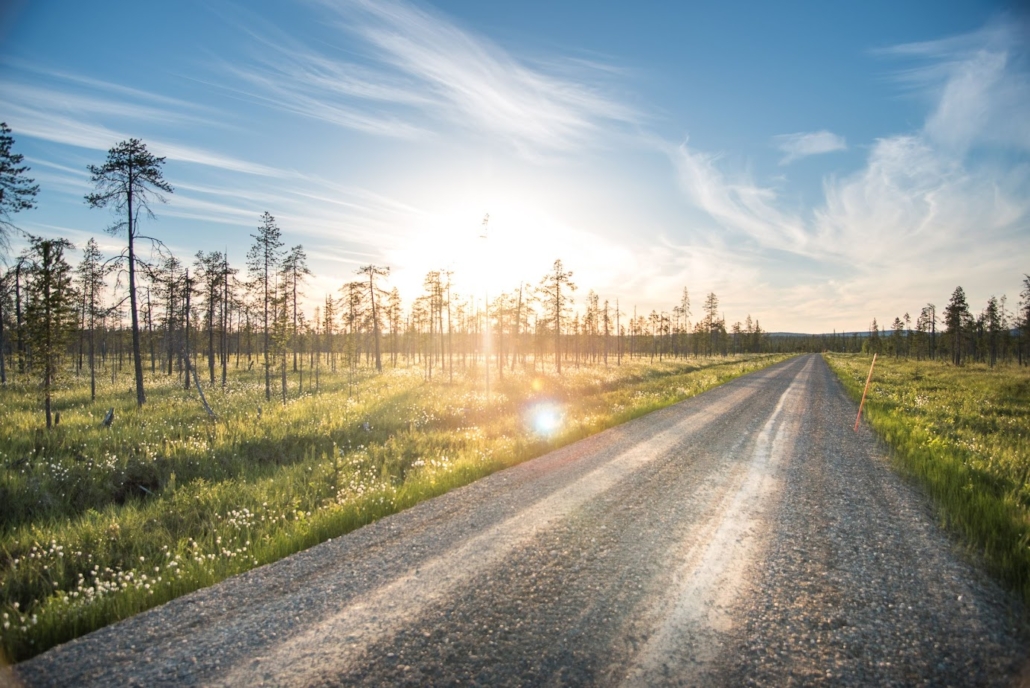
Lapland’s summer is short but intense. Early June resembles springtime in southern Finland, with lingering patches of snow, chilly air, and awakening plants. By July, nature reaches its peak, but the first signs of autumn, such as fall colors, can already appear in August. Plants grow and bloom rapidly, making the most of the abundant sunlight. The midnight sun draws visitors eager to experience its ethereal glow and enjoy hikes in verdant fell landscapes.
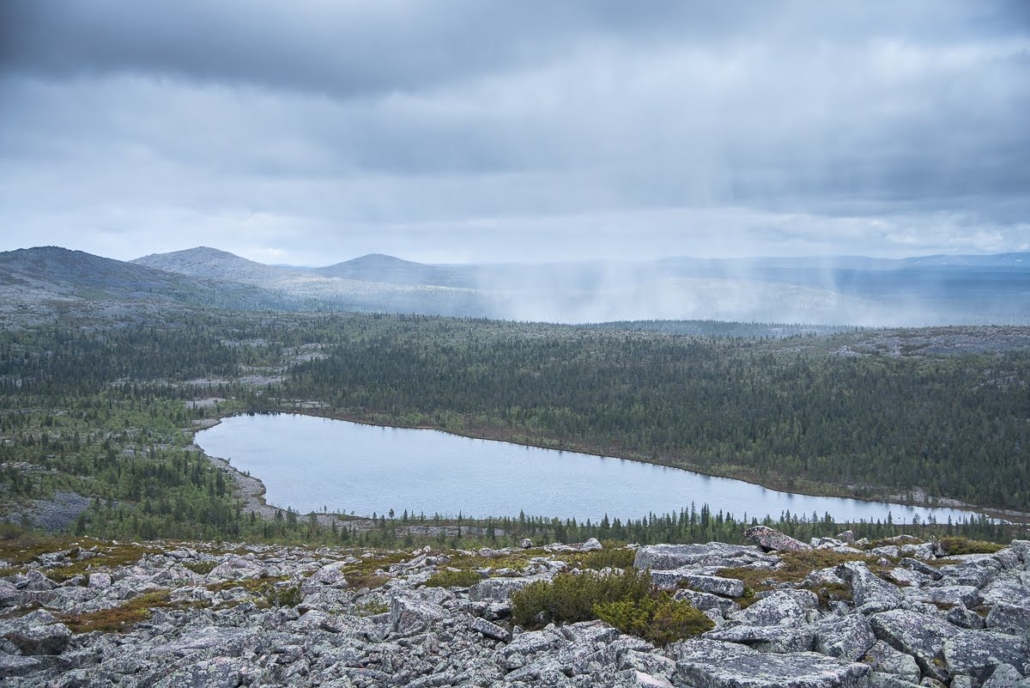
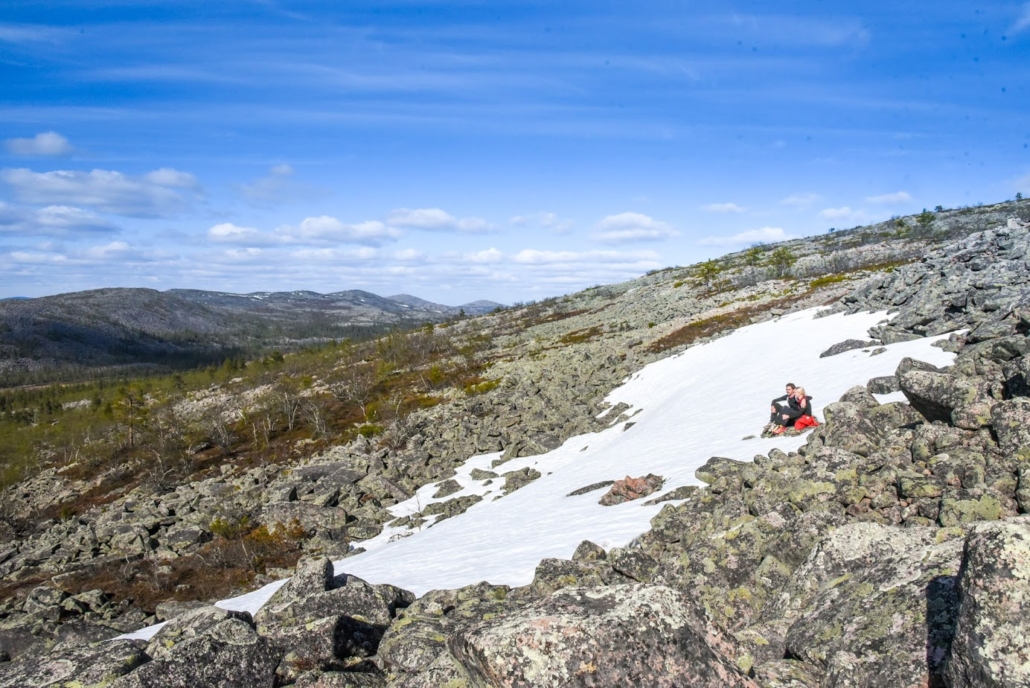
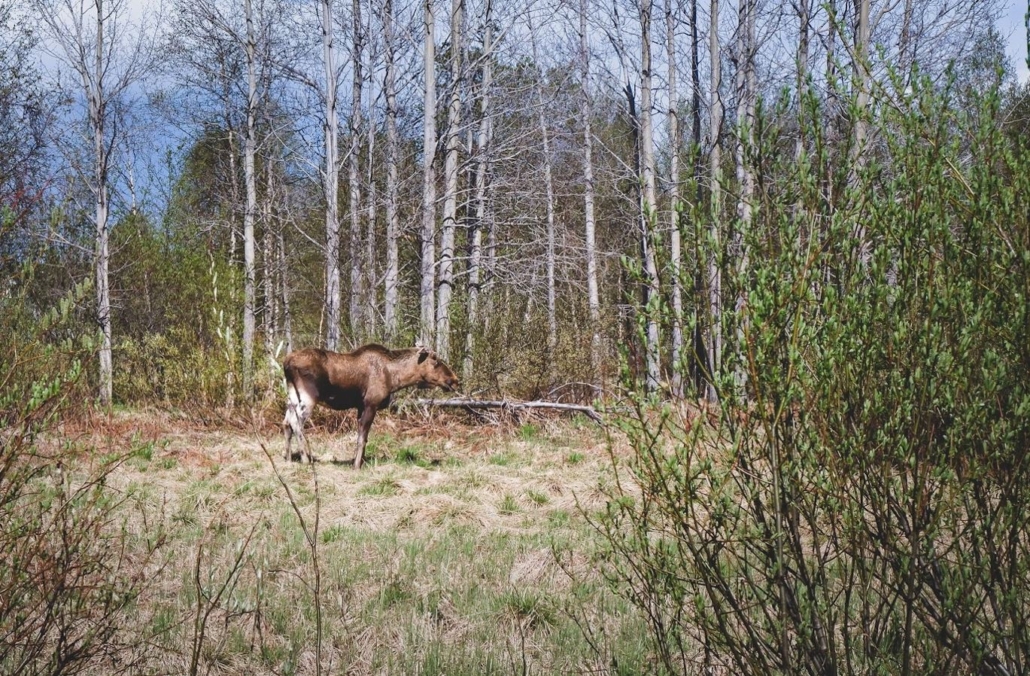
However, the same time of year brings räkkä—the mosquito season. Lapland’s numerous wetlands and water bodies make it a prime habitat for these insects. Experienced visitors often plan their trips for early June or late August to avoid the peak mosquito season.
Midsummer in Southern Finland: Long Days and Bright Nights
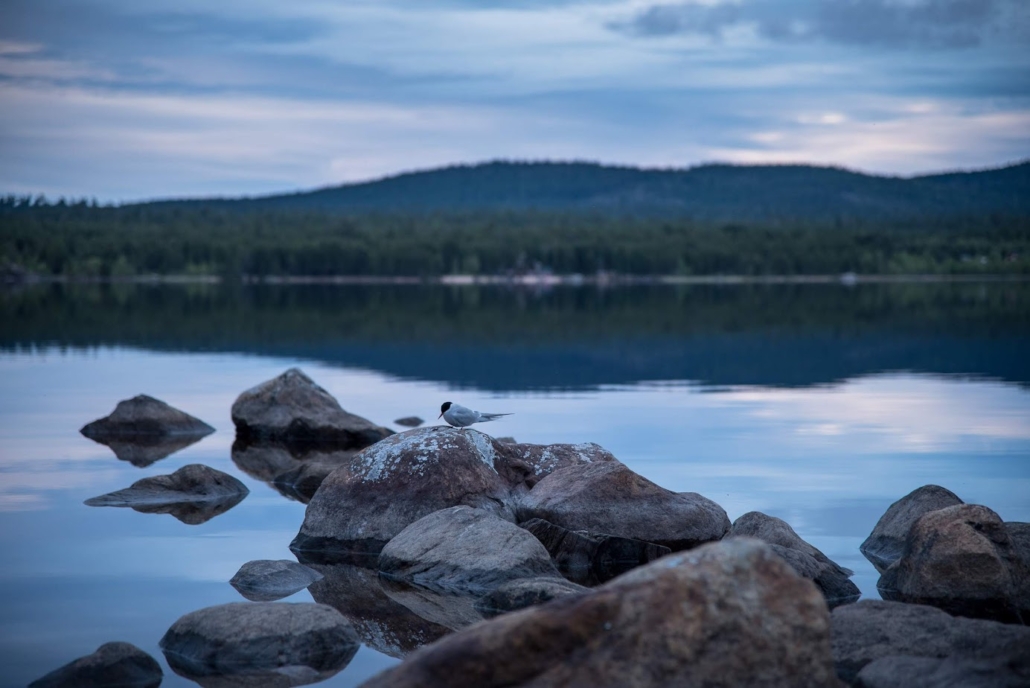
In southern Finland, midsummer doesn’t feature a true midnight sun, but the days are exceptionally long. Around the summer solstice, it never gets fully dark, even at midnight, with only a brief period of twilight. The long daylight hours are ideal for summer events and outdoor activities, and the mosquito population is far less troublesome than in Lapland.
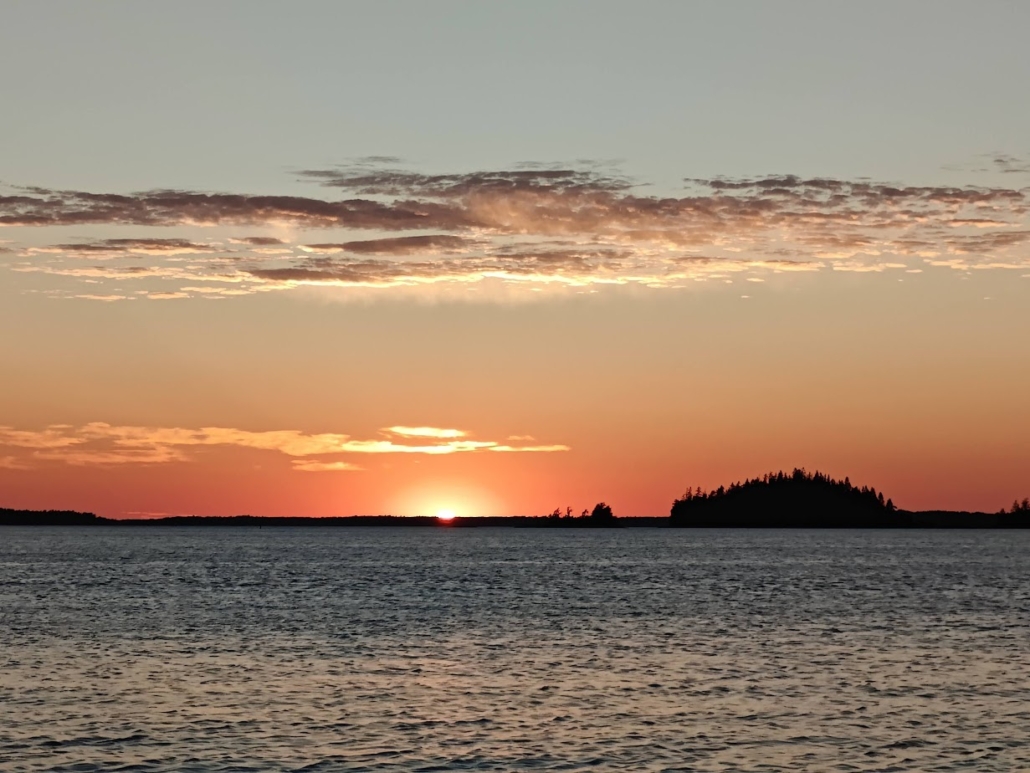
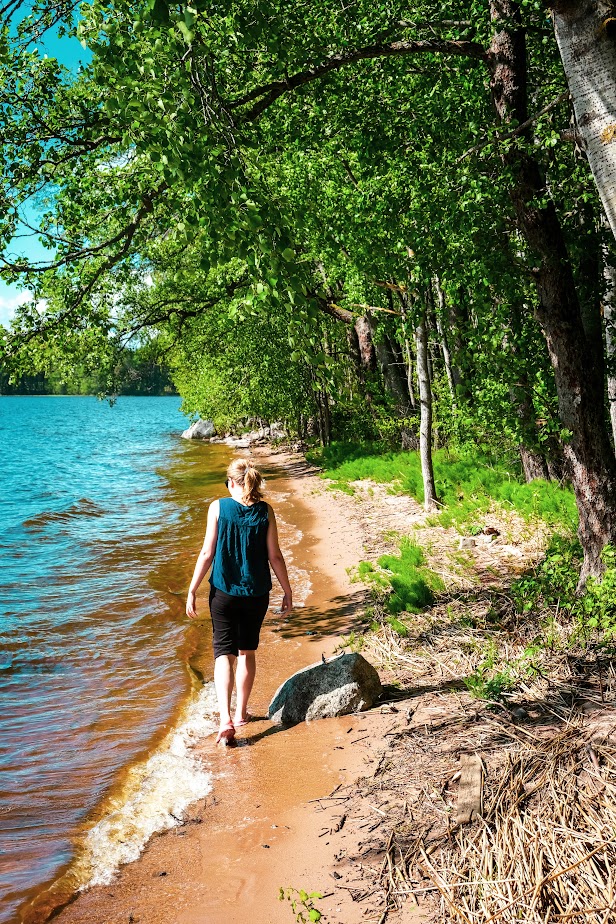
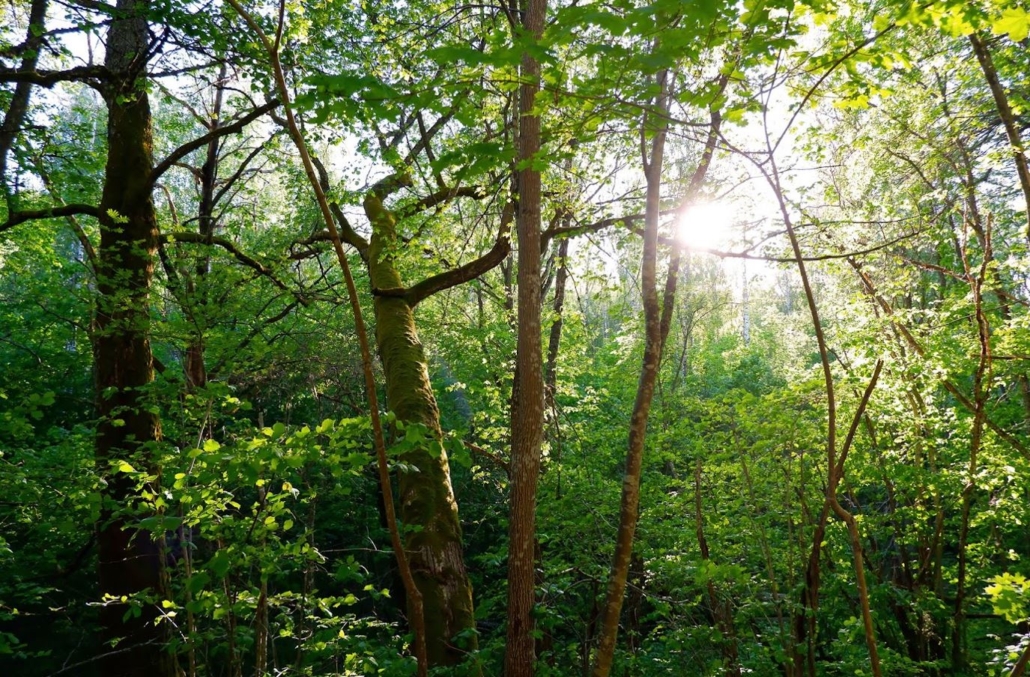
Southern Finland’s summer is lush and mild, with June already showcasing nature in full bloom—far removed from the melting snow of Lapland. Temperatures typically range from +15 °C to +25 °C (equals 59°F to 77°F) , making it a perfect time to enjoy the outdoors. Cities come alive with bustling summer terraces, and many Finns spend their leisure time in nature, soaking in the serenity of lakes and forests.
The Striking Contrast Between Winter and Summer
The seasonal contrasts between Lapland and southern Finland are profound. Lapland’s dramatic transitions—from the dark serenity of the polar night to the endless light of the midnight sun—make it a truly unique destination. In southern Finland, the shifts are less extreme but still significant, shaping the rhythm of life throughout the year.
Read also
The polar night is not pitch black, it’s magically blue! See what Kaamos actually looks like
Photo series: Pastel shades on Särkitunturi fell in Muonio, Lapland
Related Content



 Antti Rastivo / Bodom Bar


Leave a Reply
Want to join the discussion?Feel free to contribute!