
Lapland’s Eight Seasons – What Are They Like?
Lapland is often promoted as a region with not just four familiar seasons, but as many as eight. From the south, it may be difficult to grasp these subtle shifts, but after living through even one full cycle of the year in Lapland, you truly begin to tell them apart. Each of the eight seasons has a personality of its own.
But what are these seasons actually like? Here, I present them based on my own observations and experiences!
Deep Frost Winter
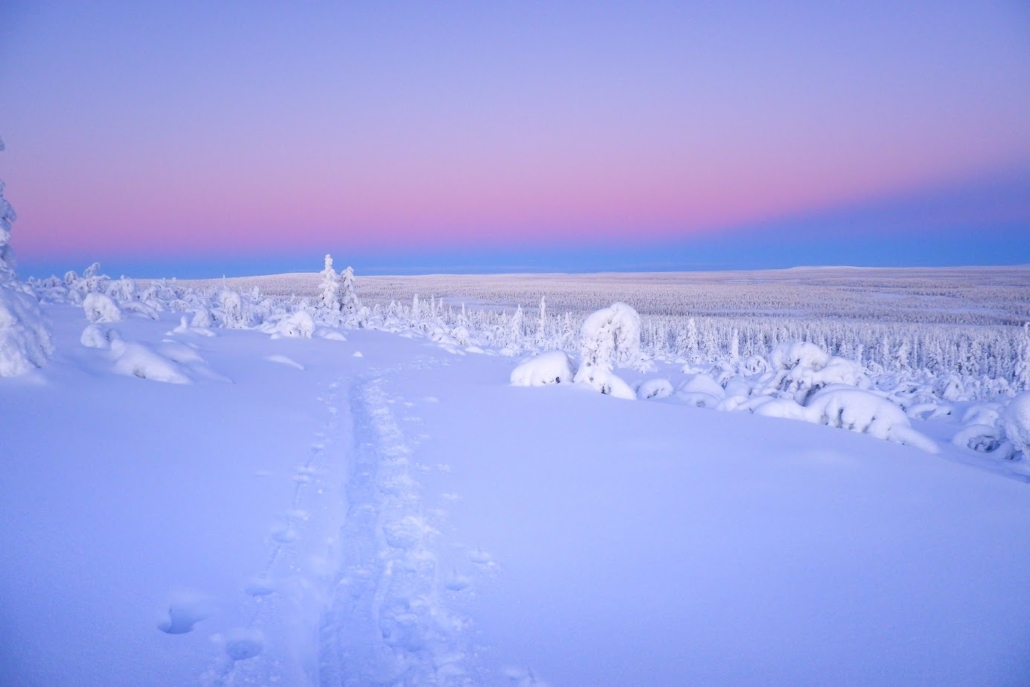
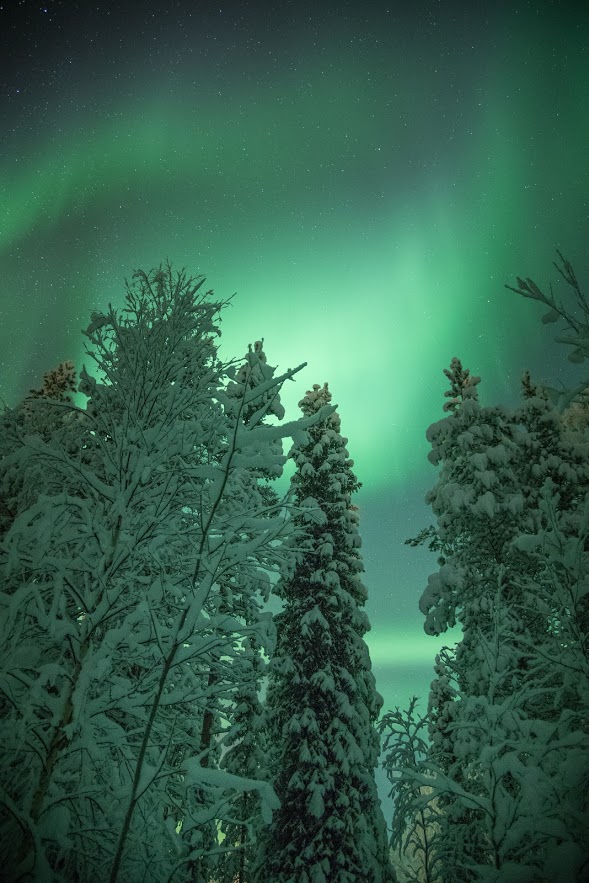
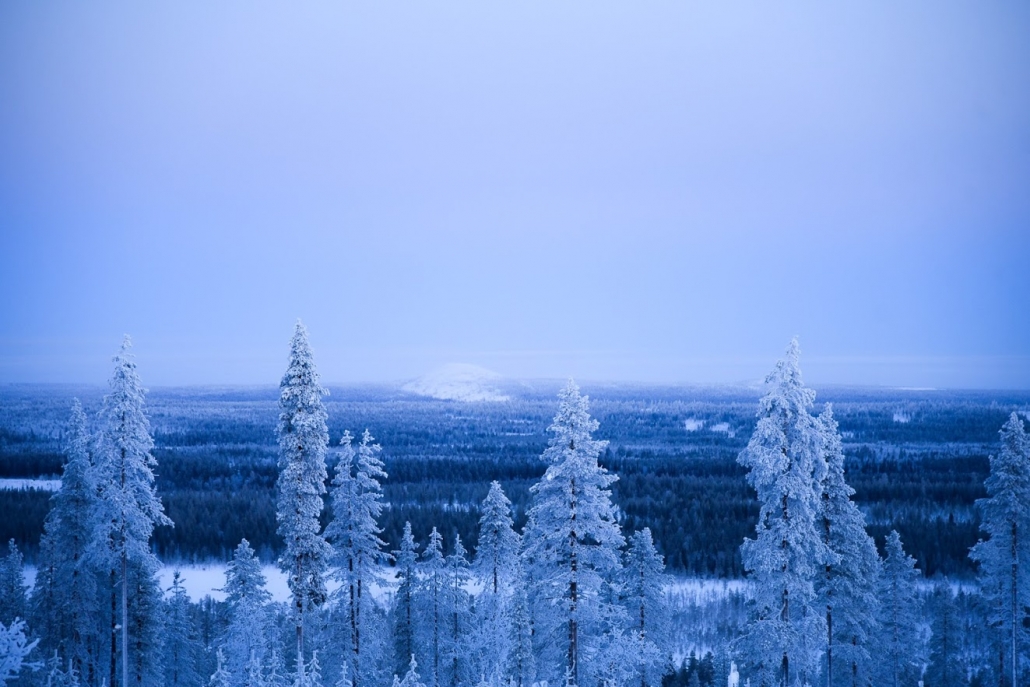
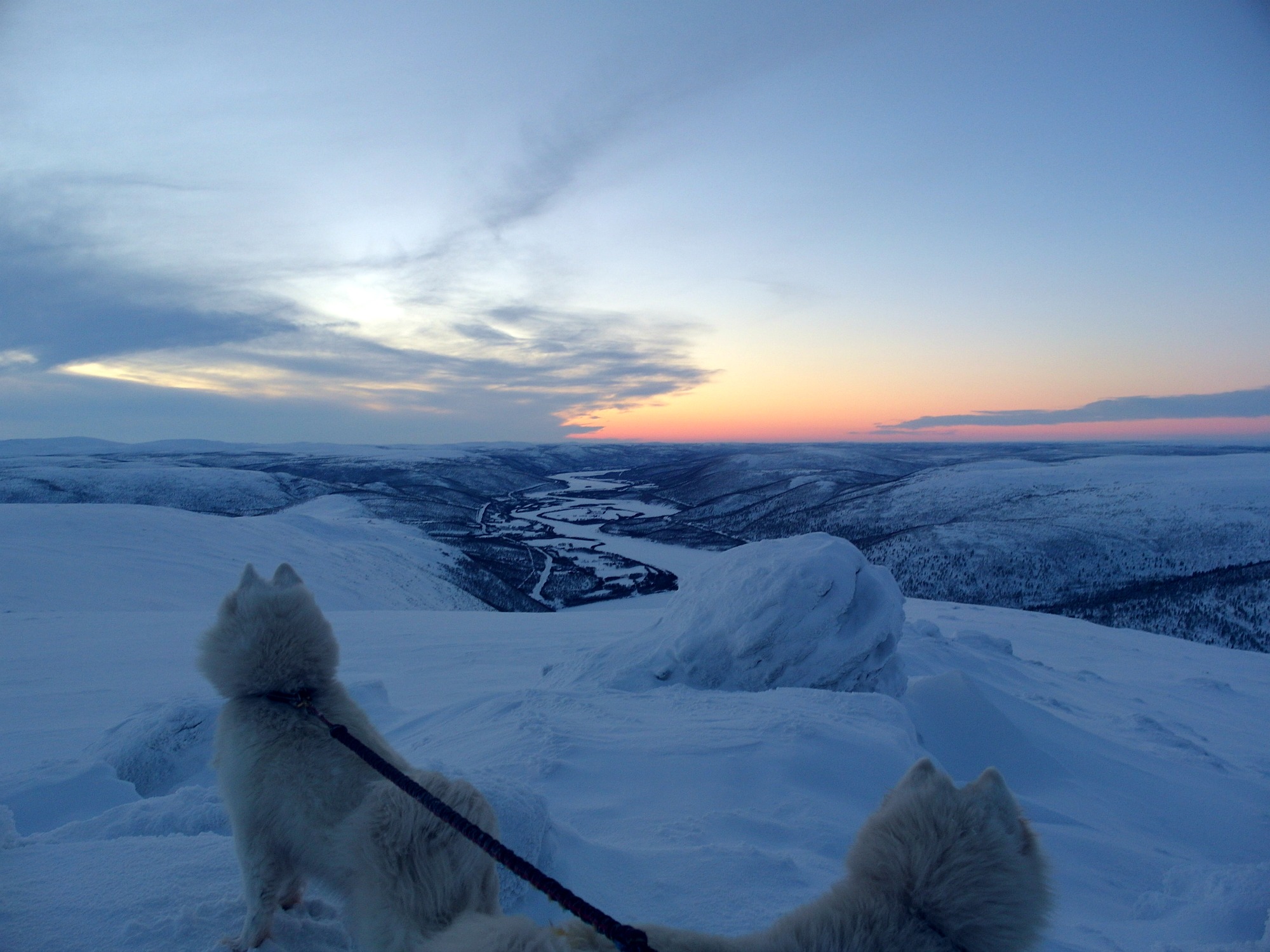
The year begins with deep frost winter. The polar night is still fresh in memory, the days are short, and twilight dominates. This is often the time of the harshest cold spells, and it is not uncommon for temperatures to plunge to -30°C. The starry skies are brilliantly clear, and the chances of seeing the Northern Lights are excellent. By the time deep frost winter arrives, snow has already accumulated properly. One could say that at the beginning of this season, winter in all its forms is at its deepest.
What distinguishes deep frost winter from its predecessor, the Christmas polar night, is that although it is still cold and dark, you can begin to sense spring creeping closer day by day. From January onwards, the days in Lapland lengthen at a remarkable pace, and the thought of sunny late-winter days ahead already warms people’s minds. You can notice the growing daylight surprisingly clearly in just a week.
Crust Snow Spring
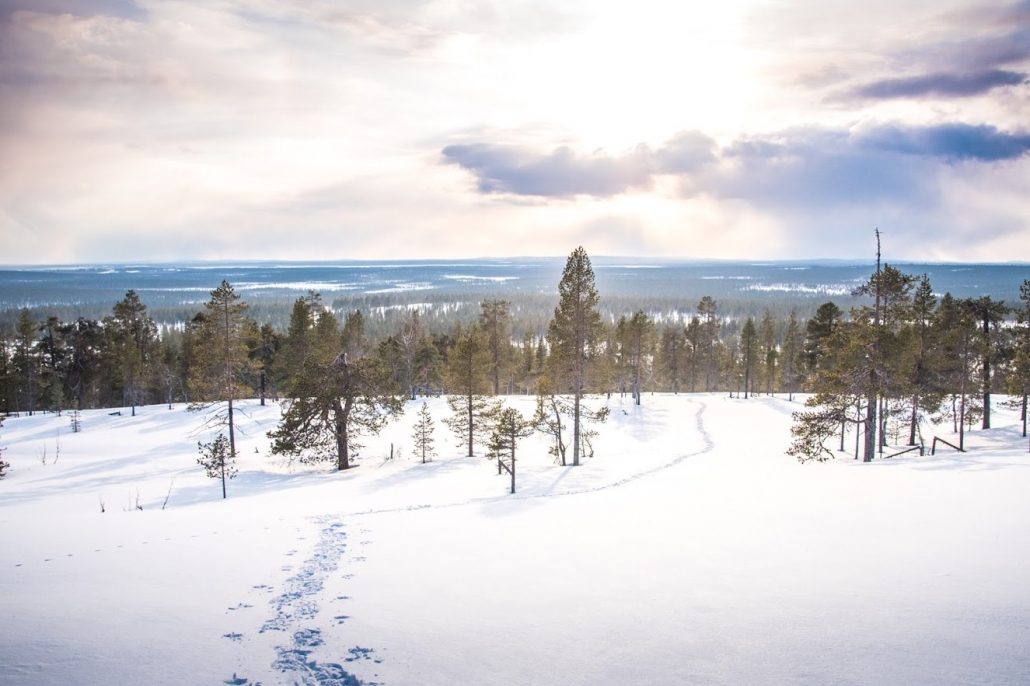
The first of Lapland’s springs is crust snow spring. The days are long and filled with sunlight. On the very first sunny days of this season, both in nature and in the villages, you can sense how the whole world seems to have awakened from hibernation. Smiles come easily.
Although the frost may still tighten to hair-raising figures, especially at night, temperatures increasingly rise above zero during the day. Trees begin to shed their coverings of snow and ice so that first only clumps remain on the branches, and eventually even those fall away. Nature starts to look distinctly more springlike.
This is an extraordinary time for outdoor activities, especially for those who enjoy skiing and snowshoeing. Thanks to the long days, you can embark on proper excursions without fearing that darkness will fall too early. And there is a strong desire to move – after all, by this point people have long been captives of deep, sinking snow. Crust snow spring is also an intriguing season because occasionally it arrives without the snow ever forming a proper crust. I remember one such spring during my four years in Lapland, when the snow never carried at all before it melted away completely.
Ice-Break Spring
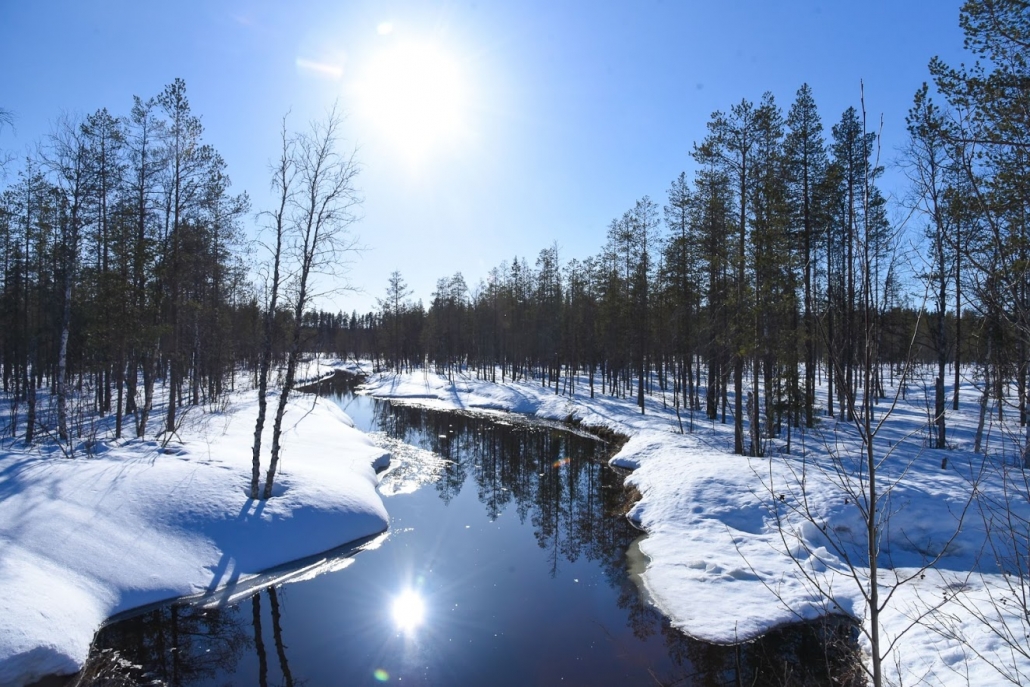
As a great lover of water, I must say that alongside summer, ice-break spring is my favourite season. There is something triumphant about realising that winter has finally been thoroughly defeated. The sun and warmth have increased enough for waters to be freed from ice. Rivers and streams murmur and may even flood, while lake ice gradually melts in place. The snow cover thins, and there is only a little darkness left. If you look closely, you can see birch buds already swelling. The first shoots push through the ground even while snow still surrounds them.
The most impressive phenomenon of ice-break spring is when large rivers break free from their icy grip. The rushing sound is powerful to watch and listen to. On some rivers, for example the Ounasjoki, this season often brings considerable flooding.
Even during ice-break spring, the snow may still carry at times, but gradually it turns into slush and icy granules before melting away completely.
The Midnight Sun
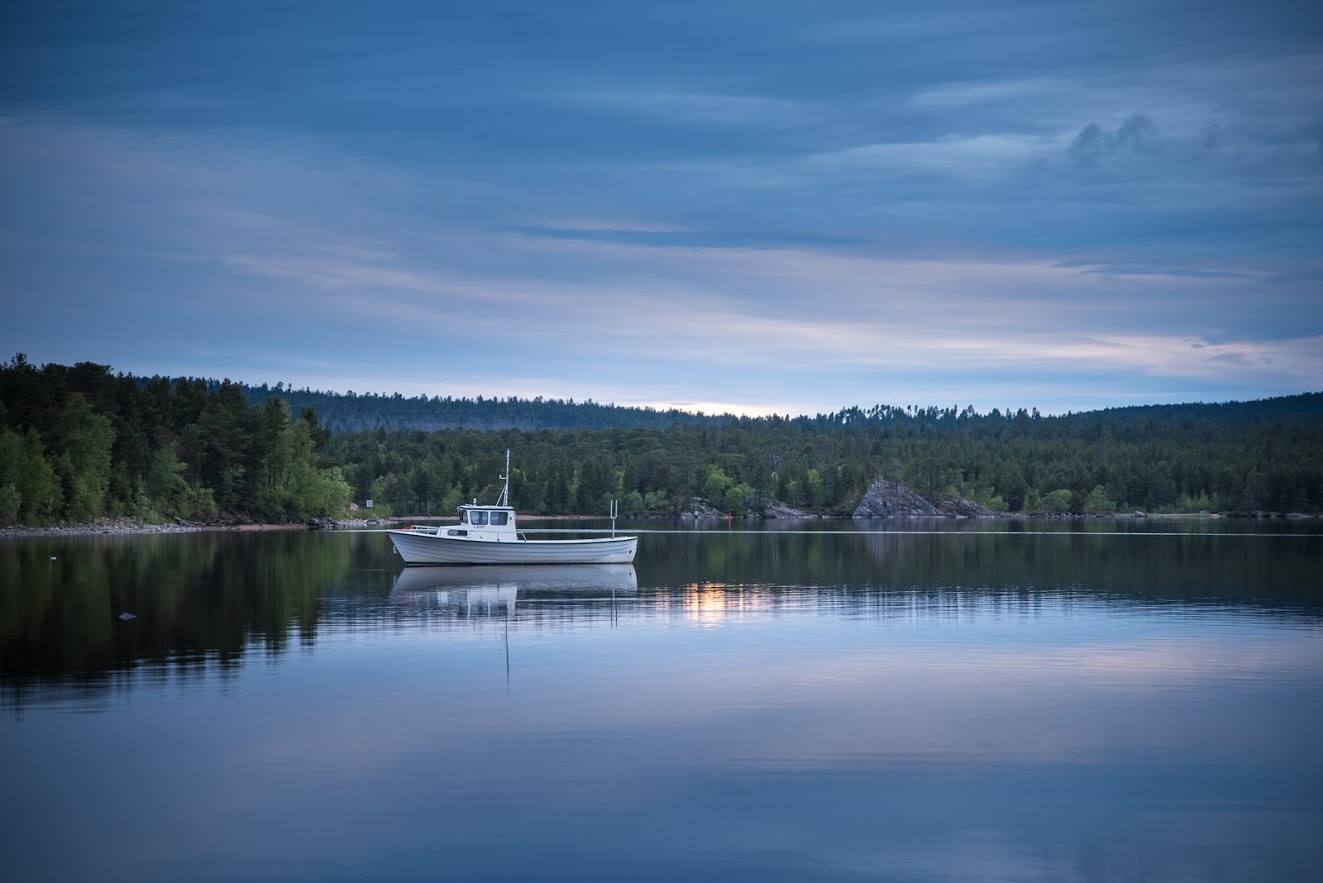
The Midnight Sun hardly needs an introduction. The sun shines brightly even at midnight – and the further north you go, the brighter it appears. In the far north, around Utsjoki, the white light of the midnight sun barely differs from that of midday. In the southern parts of Lapland, the midnight sun takes on warmer, yellowish tones.
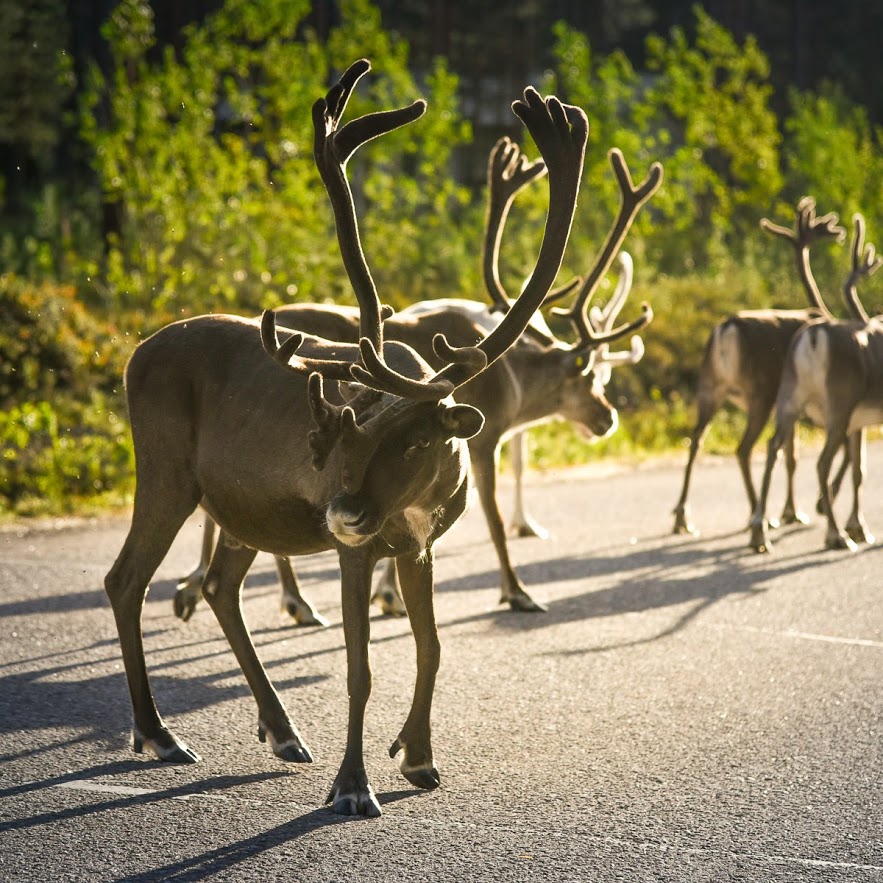
At the beginning of the Midnight Sun season, nature bursts into life. Once the last snow patches have disappeared, everything suddenly turns green, and plants seem to grow before your eyes. Reindeer look somewhat scruffy while shedding their winter coats, and adorable calves appear in the streets and fields.
Mosquitoes also make their entrance into both village life and the wilderness. The worst mosquito season usually begins around Midsummer and lasts until August. If you wish to experience the Midnight Sun without mosquitoes, it is best to visit in late May or during the first weeks of June. This is also an excellent time to travel to Lapland because there are hardly any tourists around.
Harvest Season
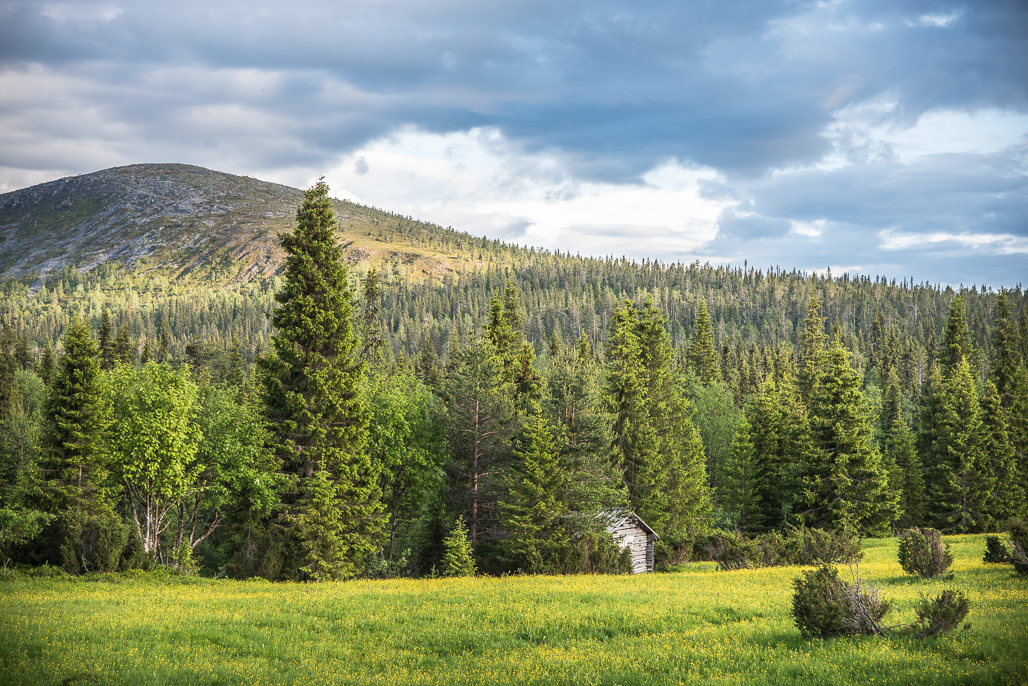
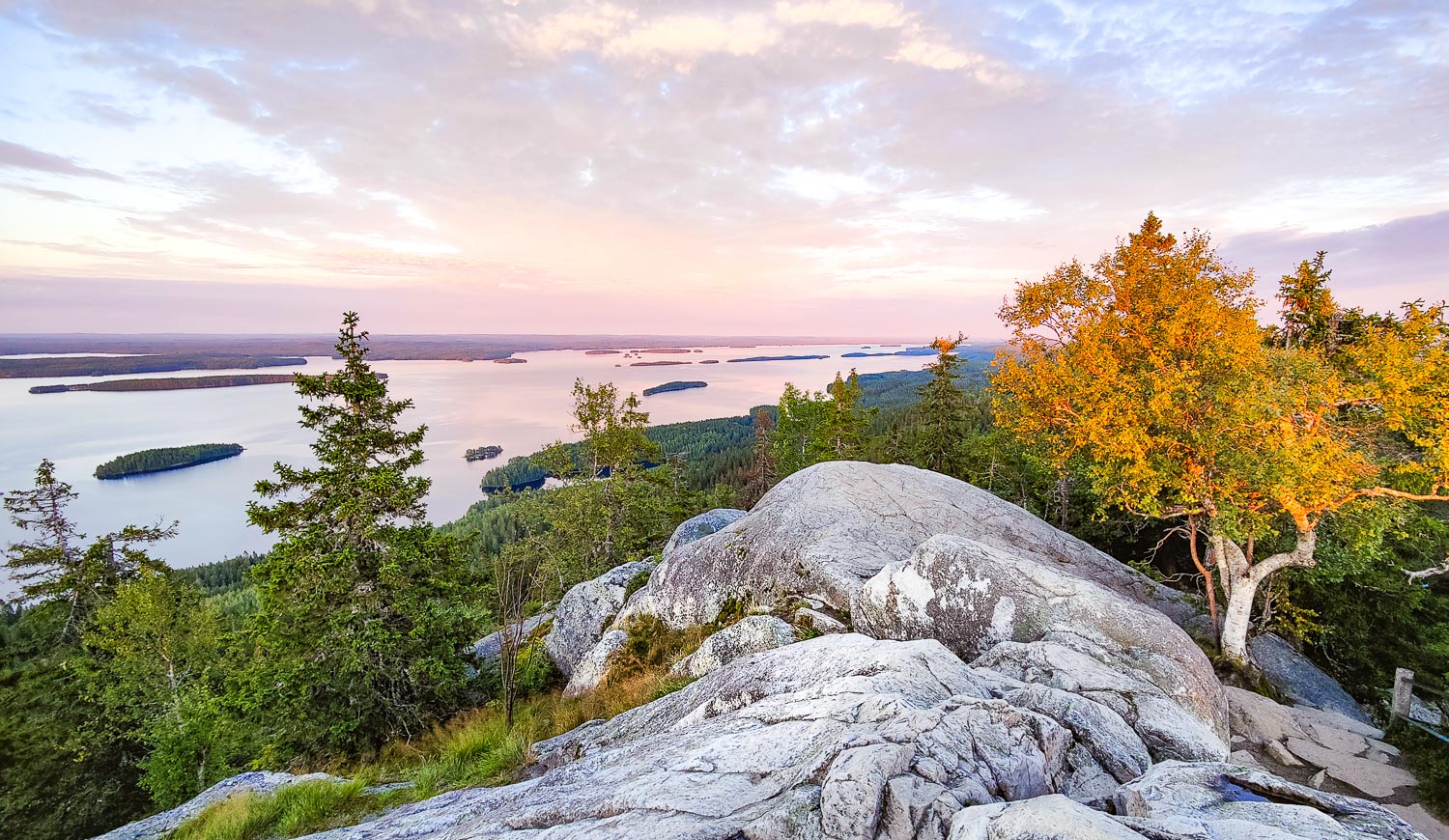
The harvest begins already during the Midnight Sun season with cloudberries and bilberries. However, harvest season truly belongs to late summer, just before the autumn colours arrive. The brightest intensity of the Midnight Sun has passed, and nature now nourishes animals with the bounty of summer. It is time to fill the freezer with berries and mushrooms.
The nights gradually begin to grow darker. Trees and other plants are at their most lush, yet there is already a distinct scent of late summer in the wind. At some point comes the day when the first yellow birch leaf appears. That marks the beginning of a new season.
Autumn Colours (Ruska)
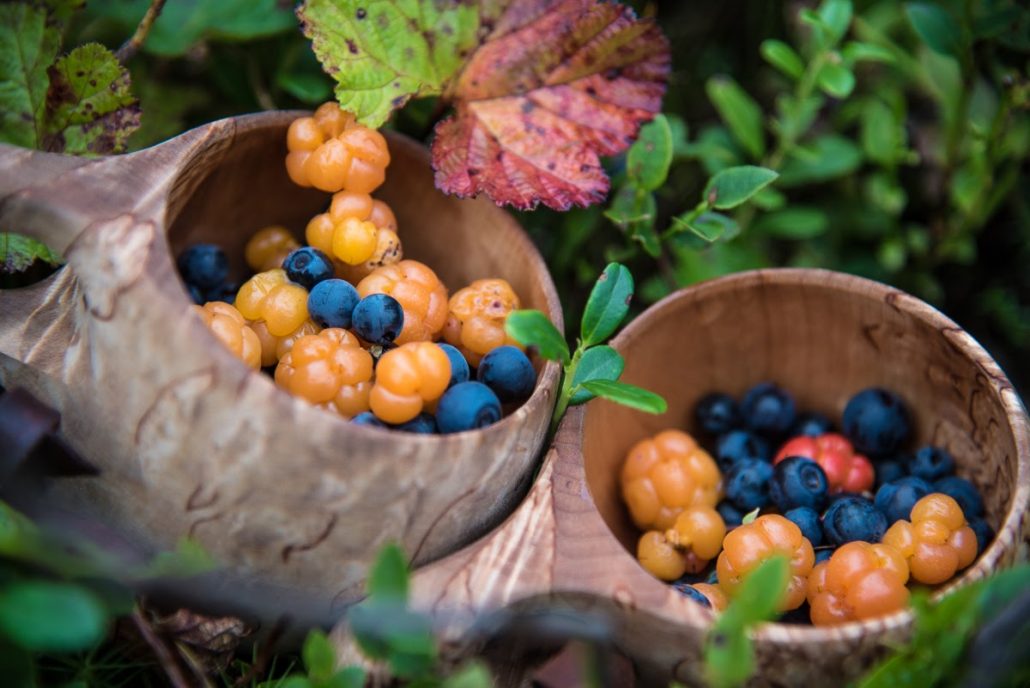
The ruska season cannot be mistaken. Nature is still full of mushrooms and lingonberries, but now it glows in colours never seen before. In Lapland, even birch trees can turn orange during ruska! The most spectacular ground colours are created by bilberries, bog bilberries and crowberries. Among trees, aspen flares into the deepest red. During ruska, the Northern Lights may also begin to appear again, and after the Midnight Sun, even the simple sight of a starry sky feels deeply moving.
As lingonberries ripen, the reindeer rutting season usually begins as well. At this time, it is no exaggeration to genuinely avoid and be cautious around male reindeer, which in the frenzy of rut may charge at almost anything.
With ruska, the first night frosts usually eliminate the last mosquitoes, although tiny biting midges may still trouble people for a while longer.
First Snow
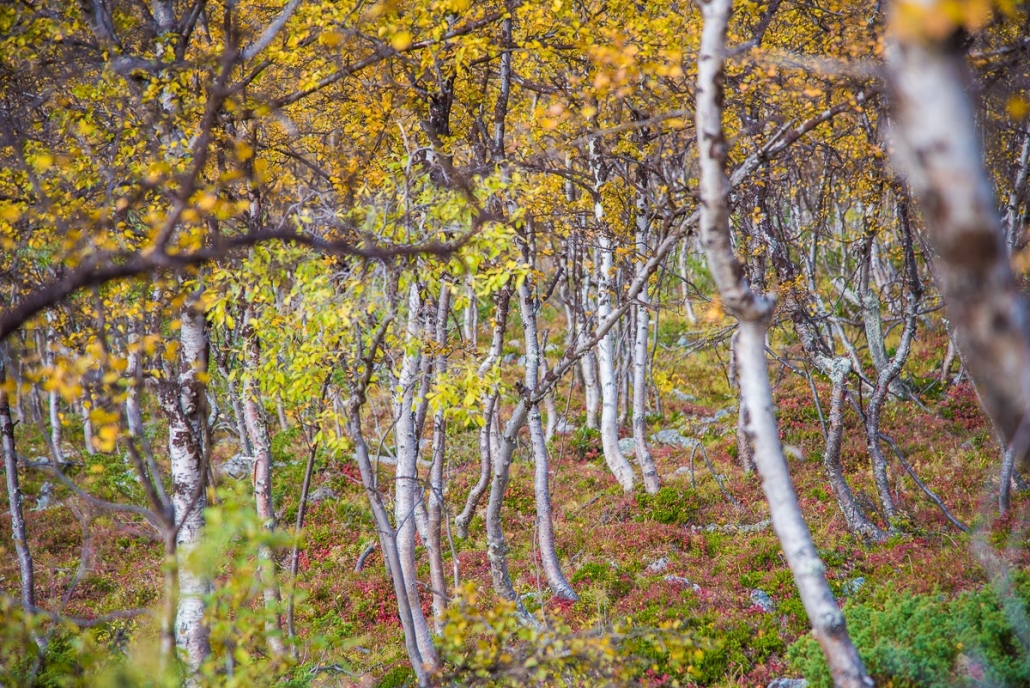
After ruska comes the season of first snow. Trees have already shed their leaves and ground vegetation begins to wither, but a thick snow cover is still only a dream. Morning by morning, the ground grows icier until the day arrives when temperatures no longer rise above zero at all. At this time of year, nights feel perhaps the most “normal,” if one can say so – dark and long enough for a proper night’s sleep. During the day, however, the sun still shines brightly; night and day are in balance.
Waters gradually begin to freeze, and one day the first snowfall arrives. The world brightens remarkably once the first proper layer of snow settles on the ground. It is precisely for this light that first snow is so eagerly awaited.
Polar Night
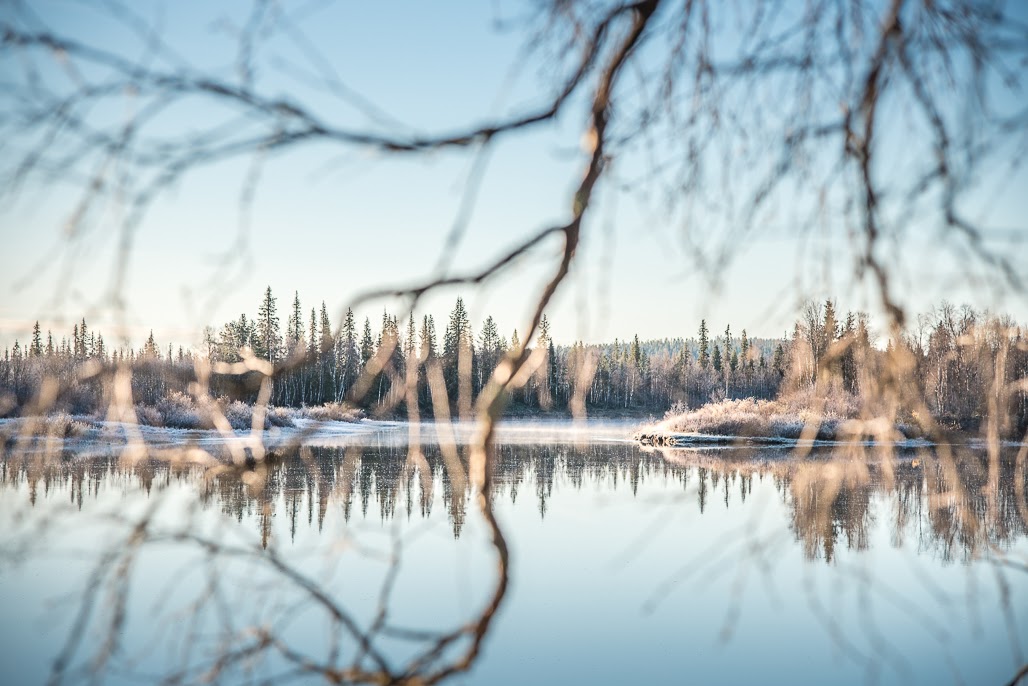
The year ends in the Christmas polar night. All living things seem to retreat into their shelters, and energy comes to a standstill. Waters are frozen, trees buried in snow, everything stiffened by frost. It is quiet – only the crackling of frost in the forest can be heard. The very coldest temperatures of winter, however, are not usually experienced yet during the Christmas polar night.
In the northernmost Lapland, the official polar night lasts for about two months; at the Arctic Circle, it lasts for roughly a day. Frost gradually tightens its grip, and the snow cover slowly thickens. At this time of year, there is no point even dreaming of a firm snow crust – one must simply accept that there is plenty of snow, and it is deep and soft underfoot.
Of all eight seasons of Lapland, the Christmas polar night is my least favourite – for me, it is simply a period to get through. And yet one always does, and afterwards the first rays of sunlight feel far more wonderful than they ever could without the darkness that came before.
Read next
10 Great Reasons to Visit Lapland in Summer
Finland’s Midwinter and Midsummer: How They Differ Between Lapland and Southern Finland
You need to see this: nature in Lapland is now breathtakingly red, orange and yellow
This Incredibly Beautiful Blue Phenomenon in Lapland – Do You Know What It Is?
Related Content


Leave a Reply
Want to join the discussion?Feel free to contribute!