

Finland has 27 official national landscapes—here they are!
In the early 1990s, Finland selected 27 national landscapes. The boundaries of these landscapes are not strictly defined, and they are not exclusively natural sites. The national landscapes were chosen to represent the full picture of Finland, which is why they also include a wealth of cultural history, with churches, castles, farmlands, and waterways. These landscapes offer a feast for the eyes, but many of them also evoke memories of hard labor, such as slash-and-burn agriculture, clearing fields, and working in ironworks, with the scent of sweat and smoke lingering in the air.
Many of the national landscapes include entire villages or branching riverbanks, and almost all of them can be experienced not only by hiking, but also by cycling, driving, or paddling. Below, you’ll find a variety of tips for destinations where you can explore all of our national landscapes.
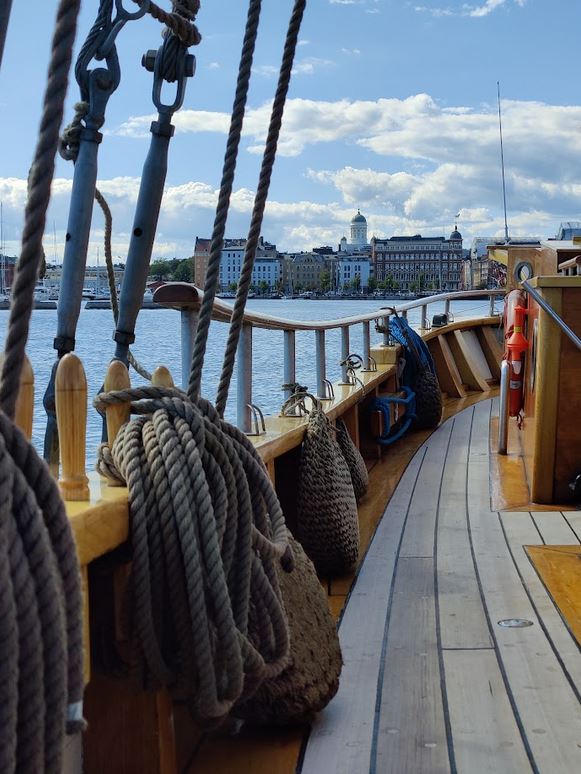
1. Maritime Helsinki
This national landscape includes views between Suomenlinna and Helsinki’s Market Square. It is quite exceptional, at least by European standards, that a capital city is located right on the edge of the open sea. For travelers, a great island destination within this landscape is Harakka Island, which offers stunning and surprisingly expansive sea views, as well as plenty to explore for the whole family, including the little ones. Keep in mind that with an HSL ticket, you can travel not only on Helsinki’s buses, metro, and trams but also on the ferry that takes you through the heart of the national landscape to Suomenlinna.
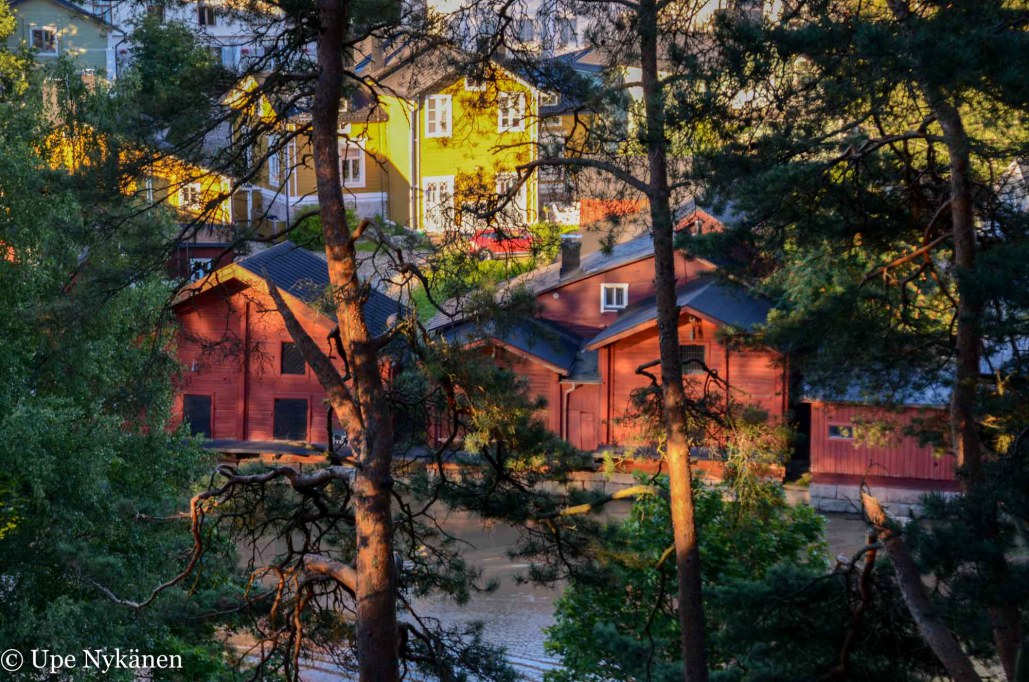
2. Porvoonjokilaakso & Old Porvoo
Old Porvoo is an iconic national landscape filled with picturesque old wooden buildings, with a beautiful old stone church rising above them in the riverfront view. The landscape offers more than just a built environment to explore. For example, Näsinmäki and other areas within Porvoo’s National Urban Park provide delightful views of the beautiful old town. For those who enjoy nature trails, the routes on Ekudden and Sikosaari are highly recommended.
3. Tapiola, Espoo
This is certainly an exceptional entry on the list of national landscapes! Tapiola’s story dates back to a time when many people were moving from rural areas of Finland to the capital region. There was an urgent need for new housing, but the atmosphere of a concrete jungle was to be avoided in Tapiola, aiming instead to provide a natural environment for children to grow up in. Since then, Tapiola has grown significantly, but nature enthusiasts with an open mind can still find interesting protected trees in its surroundings. The Otsolahti bay stretches from the sea to Tapiola, offering plenty to explore for paddlers.
4. Snappertuna & Fagervik Ironworks, Raasepori/Inkoo
This national landscape includes the magnificent Raasepori Castle, Lepinjärvi lake with its bird-watching towers, and the charming little ironworks village of Fagervik in Inkoo. Next to the ironworks village is perhaps Finland’s shortest museum road, a peaceful one-kilometer stretch. The area also features impressive forests and picturesque old farmlands, making it an excellent region for road trips and cycling tours.

5. Pohja Ironworks, Raasepori
The Pohja ironworks consist of Fiskars, Billnäs, Antskog, and Åminnefors. Among these, Fiskars is particularly popular with travelers due to its picturesque charm, filled with boutiques and services, and a gentle river flowing through the scenic village in a park-like setting. It’s worth setting aside some time to explore Fiskars, as its streets offer plenty to discover and numerous delightful photo opportunities. However, it’s also worth visiting the other ironworks, which are located quite close to each other.
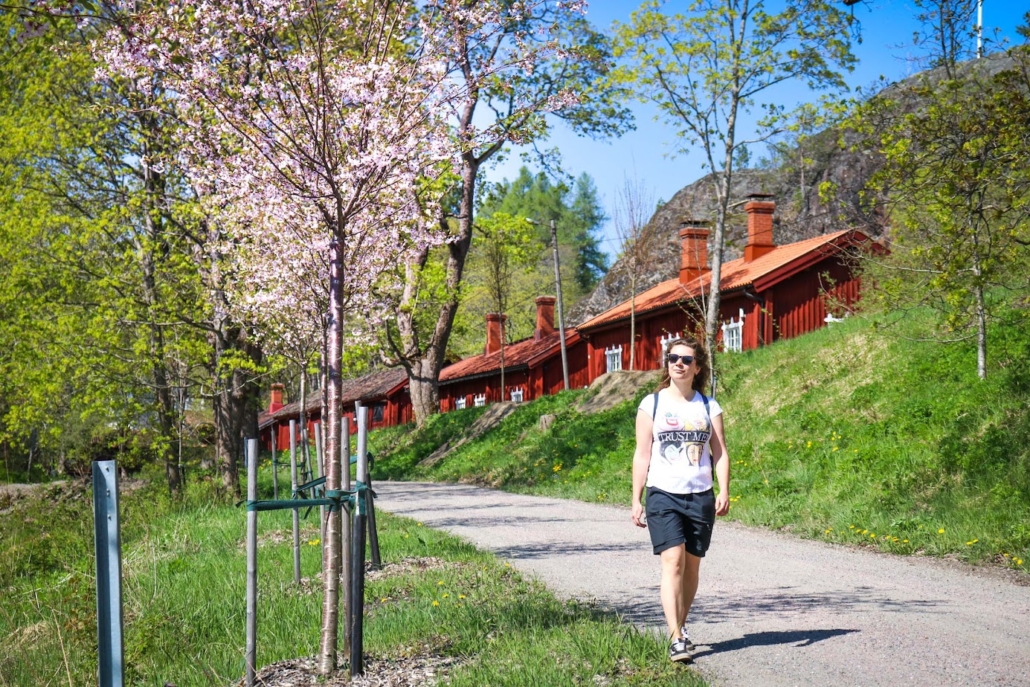
6. Cultural Landscape of the Aurajoki Valley
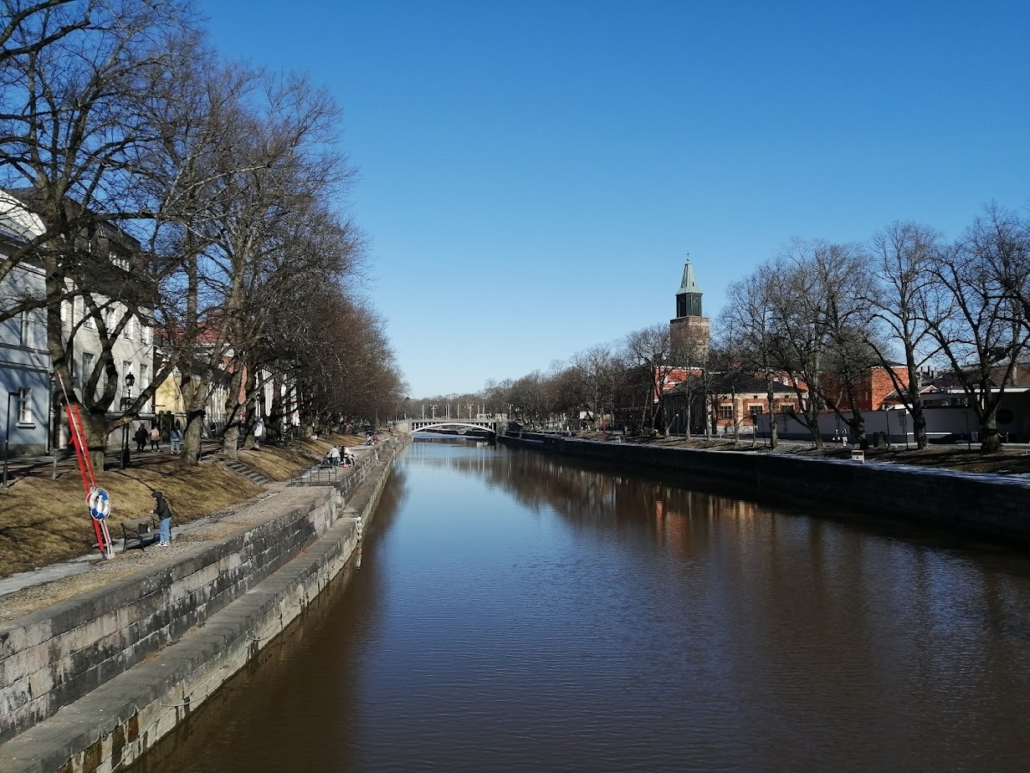
The Aurajoki Valley is a diverse landscape where views of cruise ships and Turku Castle seamlessly transition to those of the Cathedral, the magnificent old capital, and cherry blossoms in spring, before turning into authentic countryside with rolling farmlands—all within a stretch of just ten kilometers. Along the river, there are many great destinations to explore, one of the most impressive being Vanhalinna in Lieto.
7. Archipelago Sea
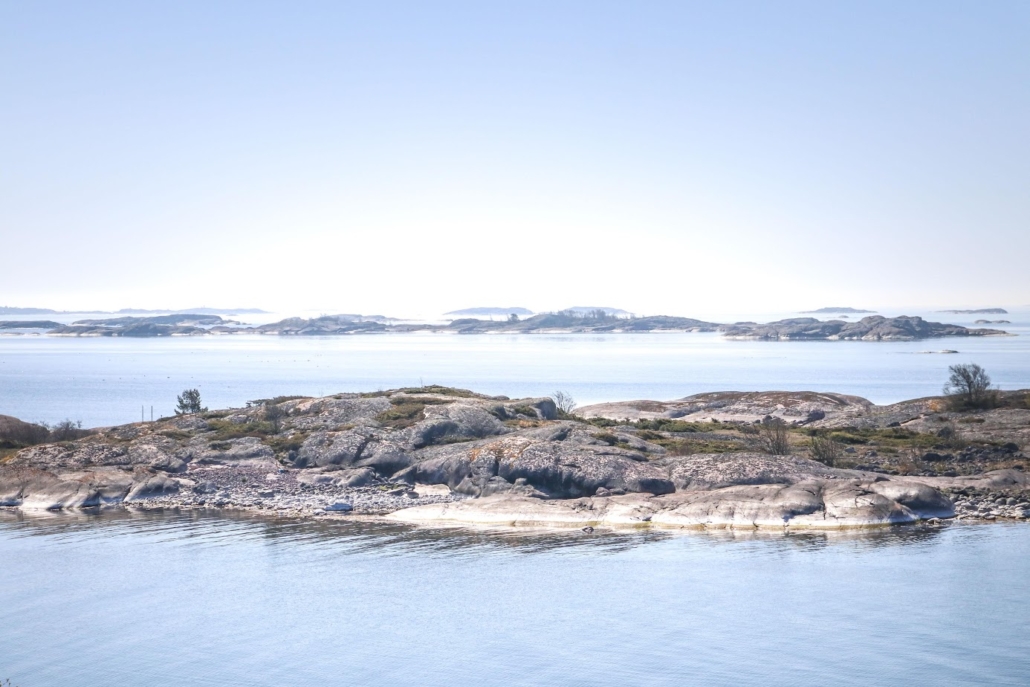
The heart of the Archipelago Sea’s national landscape lies in the stunning sea views of Parainen and Kemiönsaari. You can explore this national landscape by traveling along the Archipelago Trail or by sea, visiting islands such as Högland, Berghamn, Örö or Bodö. The archipelago should not be seen as just a summer destination, as ferries, cable ferries, and connecting boats operate even in winter.
8. Sund Cultural Landscape
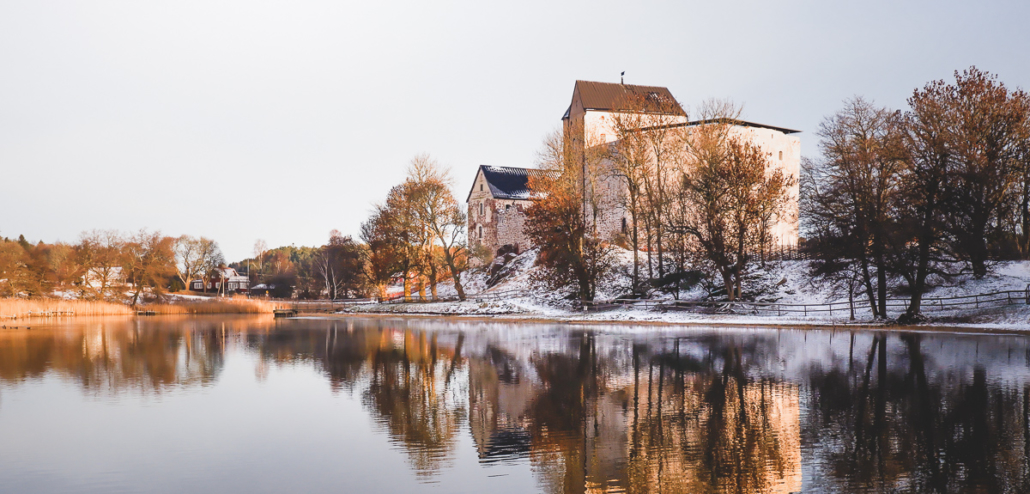
The crown jewel of the Sund cultural landscape in Åland is undoubtedly the magnificent Kastelholm Castle. The castle is an impressive sight even from a distance, and it’s worth taking a short walk around it when visiting Åland’s main island—it’s about a half-hour drive from Mariehamn. With an entrance ticket, you can also go inside the castle during its opening hours, and next to it, there’s a wonderful open-air museum.
9. Lake Köyliönjärvi, Säkylä
In Finland, there is a widely known story set on the ice of Lake Köyliönjärvi about the peasant Lalli, who is said to have killed Bishop Henry with an axe on the frozen lake in the 13th century. There are many versions of this tale, and the truth of the events remains shrouded in mystery.
Nowadays, much happier events take place on the ice of Lake Köyliönjärvi when it’s strong enough—it has become a paradise for kick sledding. Kick sledding is a traditional Finnish way of getting around in winter, so if you want to try something truly authentic and Finnish, give kick sledding a go.
10. Vanajavesi Valley
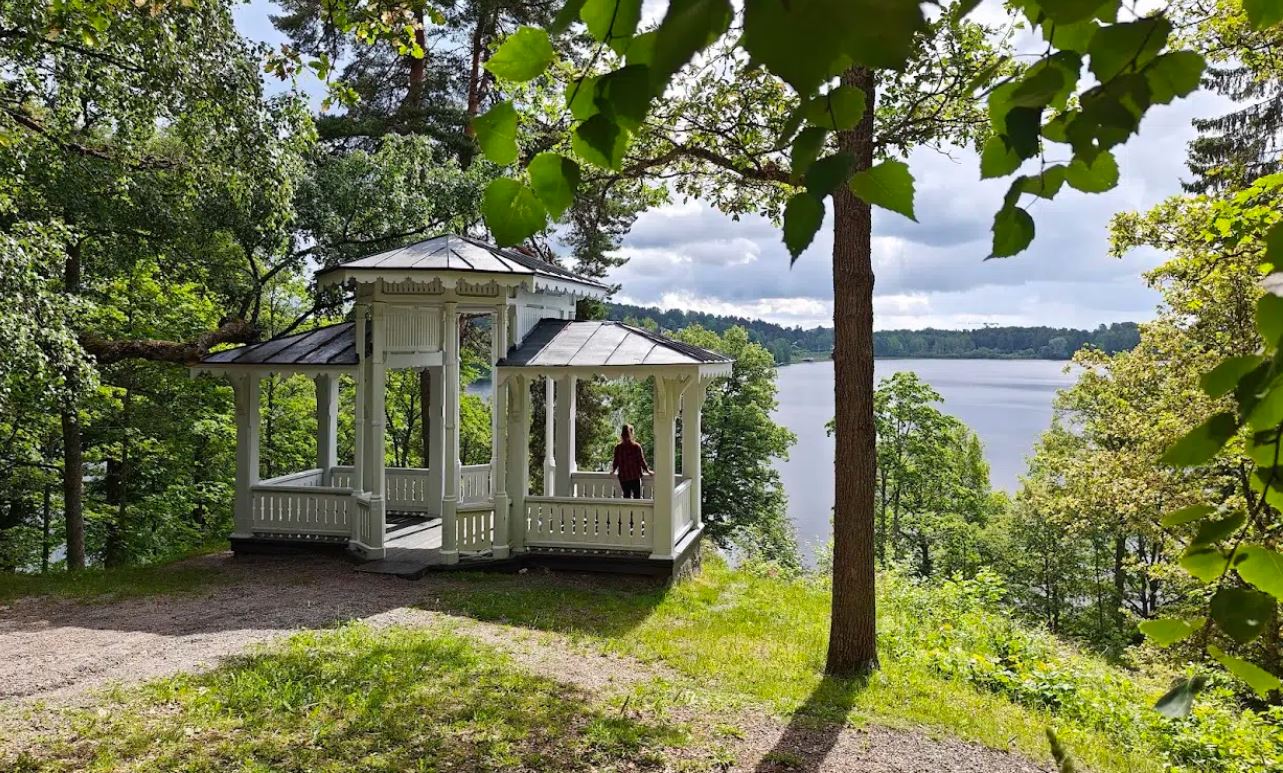
The rugged Vanajavesi Valley, which cuts through the heartlands of Häme, is home to many impressive destinations. The most famous is perhaps the beautiful Aulanko in Hämeenlinna, where it is said that Jean Sibelius composed his piece “Finlandia,” and which also features Sibelius’s Forest. You should also experience the Rapola hillfort, which offers stunning lake views, and the Lepaa Garden, especially when it’s in full bloom in summer.
11. Cultural Landscape of Lake Rautavesi, Sastamala
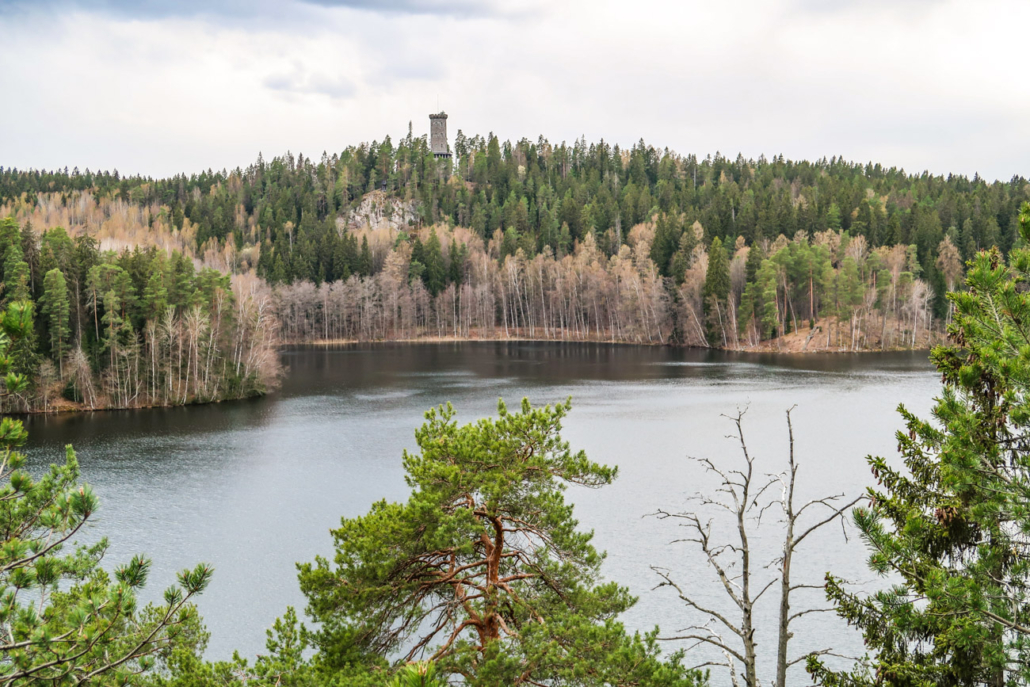
The most famous sight in the cultural landscape of Lake Rautavesi is the St. Olaf’s Church, which tragically suffered an arson attack but has since been restored. Another interesting and rare attraction is the twin-towered church located in the center of Sastamala. For hiking enthusiasts, Pirunvuori is an excellent choice, offering a stunning view over Lake Rautavesi.
12. Tammerkoski, Tampere
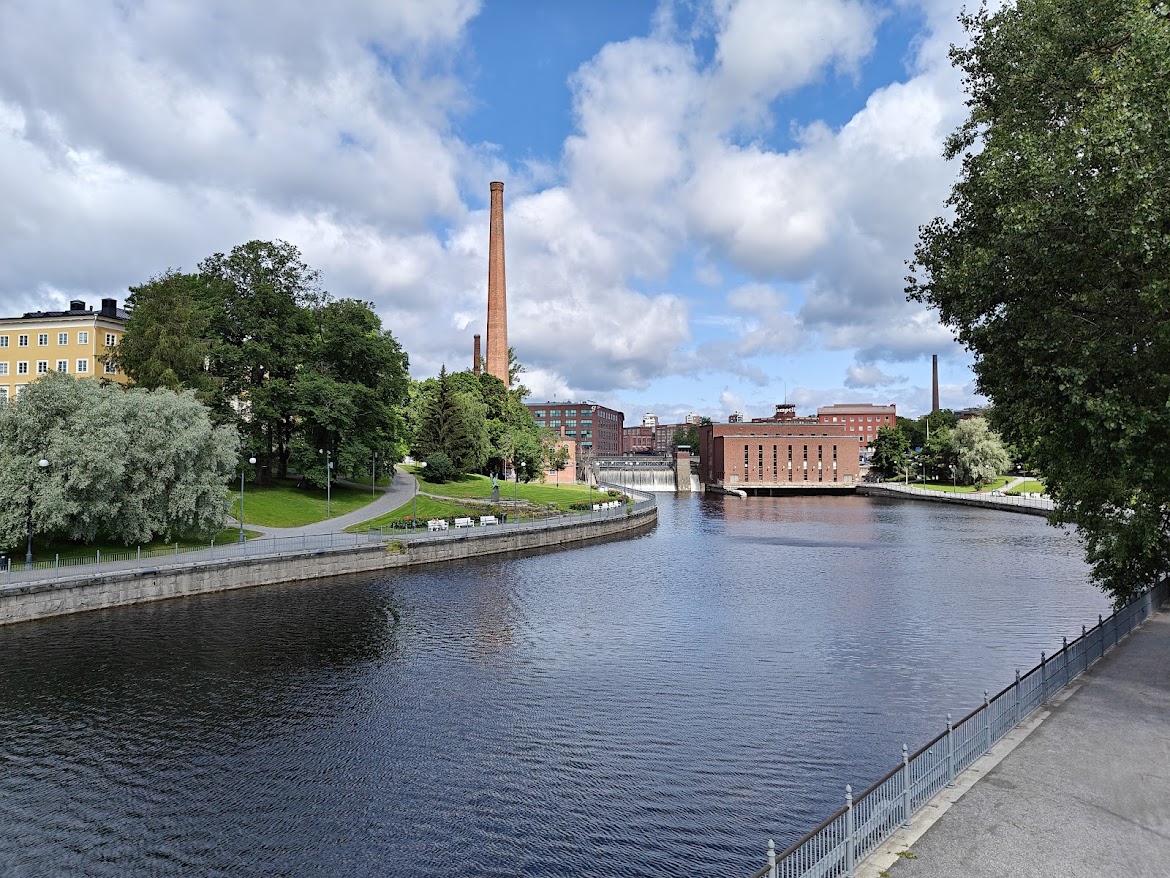
In the middle of the city of Tampere, the rushing Tammerkoski, surrounded by red-brick factory buildings, is also a national landscape. In addition to the buildings, parks flank the river, and the views from the waterfront paths are worth admiring even during the dark winter months when the area’s lighting is at its best.
13. Hämeenkyrö Cultural Landscape
The cultural landscapes of Hämeenkyrö are dominated by rolling berry fields and beautiful lake views. Perhaps the most magnificent scenery in the area can be found in the village of Mahnala, where the Scenic Road (“Maisematie”) makes for a perfect destination for a summer cycling trip.
14. Imatrankoski, Imatra
Imatrankoski is known as Finland’s oldest tourist attraction, drawing visitors from abroad even centuries ago. Although the rapids are now dammed, visiting during the water release shows gives a glimpse into the roaring power they once had.

15. Olavinlinna and Pihlajavesi, Savonlinna
By visiting the famous Olavinlinna Castle in the city of Savonlinna, you will find yourself in the heart of this national landscape. The castle is also worth admiring from the surrounding islands and peninsulas, which offer plenty of trails to explore. In winter, Olavinlinna is beautifully illuminated. Nearby, Pihlajavesi spreads out as part of the wilderness of Lake Saimaa, making it a paradise for paddlers. The impressive Sulkava hillfort, also known as Pisamalahti hillfort, rises on the shores of Pihlajavesi.
16. Punkaharju, Savonlinna
Punkaharju is known among Finns as a summer paradise. This narrow and steep ridge winds across the lake, offering incredibly beautiful views of large and small lake expanses as well as forested landscapes. You can even reach Punkaharju by train! The area is rich in exploration opportunities for hikers, with various trails, including the Research Forest and the scenic Hakin kierros Trail, which runs along the beautiful Karjalankallio rocks. Punkaharju is an ideal destination for a summer cycling or boating trip.
17. Heinävesi Route
The Heinävesi Route is a waterway whose canal construction in the Heinävesi municipality began in the 1890s. The route leads from Lake Suvasvesi to Lake Haukivesi. According to some interpretations, the national landscape extends all the way from Kuopio’s Lake Kallavesi to Savonlinna, which would include the views from Kuopio’s famous Puijo Tower. Along the main route from Suvasvesi to Haukivesi, you will find places like Kolovesi National Park, where you can not only paddle but also hike trails of Nahkiaissalo and Mäntysalo. The latter trail requires crossing a body of water to reach Mäntysalo Island.
18. Väisälänmäki, Lapinlahti
Before your trip to Väisälänmäki—or even afterward—it’s worth doing a quick Google image search. The area has been the subject of many artworks, the most famous being “Under the Yoke (Burning the Brushwood)” by Eero Järnefelt, painted in 1893 and also known simply as “Kaski.” At Väisälänmäki, there is a small circular trail that includes a lookout tower, a lean-to shelter, and a summer café.
19. Koli, Lieksa
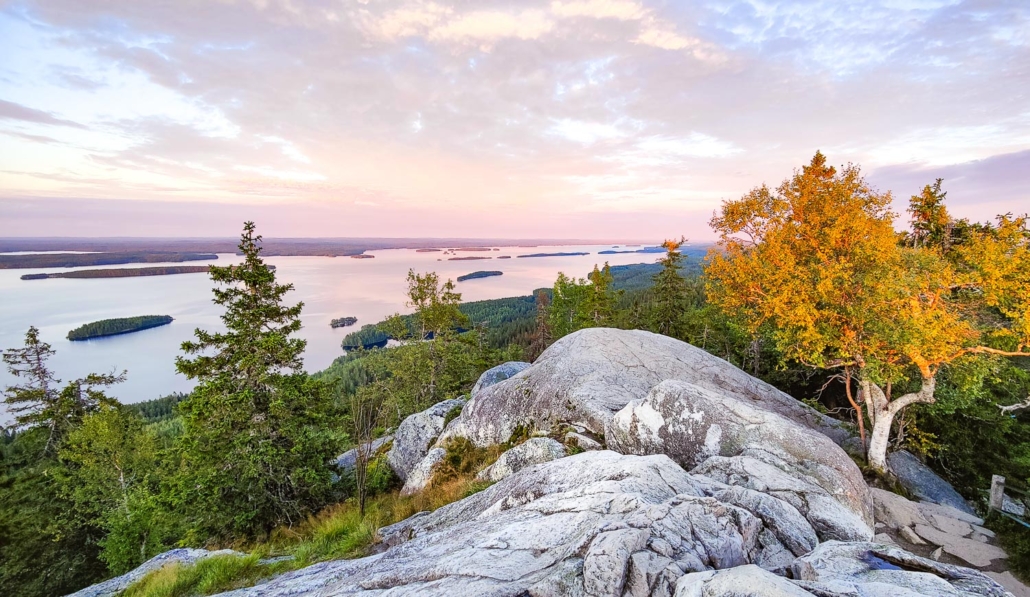
Koli is such a well-known national landscape among Finns that some even think it’s our only national landscape! Koli is home to a national park with an abundance of hiking trails. The most beautiful and iconic views of Koli can be found right next to the Ukko Nature Center, where both short and long walking trails into the national park begin.
20. Hilltop Villages of North Karelia
This charming national landscape encompasses numerous tiny villages in the current areas of Joensuu, Kontiolahti, and Ilomantsi. As the name suggests, this landscape consists of villages situated on the peaks or slopes of hills, such as Heinävaara and Kiihtelysvaara in Joensuu and Hattuvaara in Ilomantsi, which is said to be the easternmost village in the EU. It’s a fantastic region for a road trip! Be sure to add the Kesonsuo bird-watching tower to your itinerary, and for paddlers, the beautiful Koitajoki River, which winds along the edges of Kesonsuo bog, is perfect.
21. Kyrönjoki River Valley and South Ostrobothnian Plains
In this landscape, your eyes will not tire, as the openness seems to stretch endlessly. Since Seinäjoki is the largest city in this “spacious” area, it is playfully called the “Capital of Space.” One of the cutest spots in this national landscape is Jokitupa, located in Alajoki, Lapua. The road leading to it, Jokitie, cuts through the heart of the plains and is a scenic attraction in itself.
22. Kvarken Archipelago
In the Kvarken region, the land continues to rise from the sea even today, still rebounding from the Ice Age, almost with an audible hum. There are trails accessible by land, such as the Bodvattnet round and the Kikanberget trail with its viewing towers. Those who want to venture out to sea can join a boat trip to the Valassaaret Islands.
23. Hailuoto
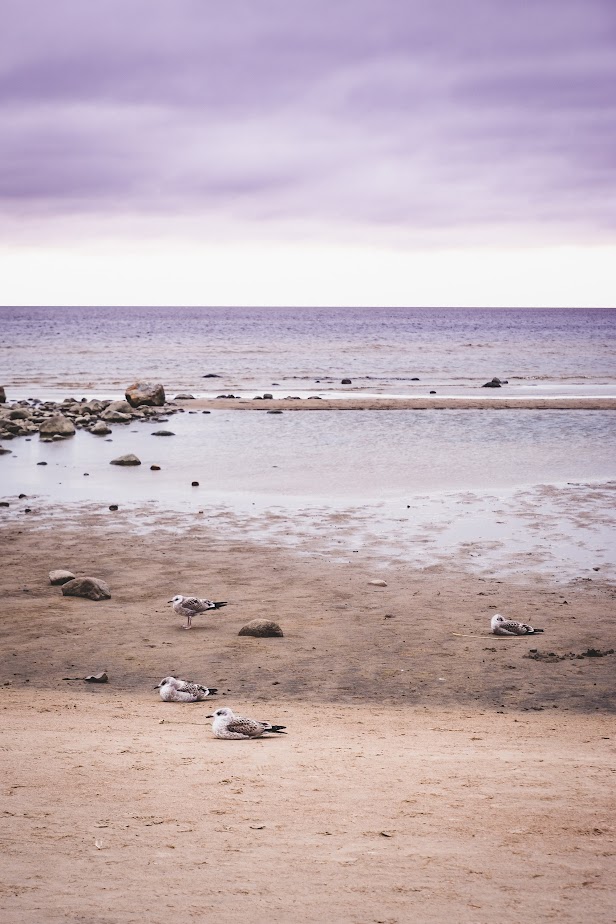
To reach Hailuoto, an island rising from the Bothnian Bay off the coast of Oulu, you can take a ferry, and for part of the winter, you can even drive on an ice road. It’s best to set aside more than just a day to explore the island, as it offers many trails and stunning views of sand dunes and the sea. The picturesque Marjaniemi Lighthouse stands as the crown jewel of the island. Hailuoto is an experience worth visiting even outside of the summer months!
24. Natural and Cultural Landscapes of the Oulankajoki River, Salla/Kuusamo
The Oulankajoki River winds its way from Salla through Kuusamo and into Russia, forming part of Oulanka National Park, which is undoubtedly one of Finland’s most rugged national parks. Here, you are very likely to encounter both reindeer and Siberian jays! There are many trails along the river’s scenic landscapes, including the “Kanjonin kurkkaus” (Canyon Look) and the very popular “Pieni Karhunkierros” (Little Bear Trail). The park’s nature center is also located on the riverbank, making it an excellent starting point to explore the many opportunities this magnificent national landscape has to offer.

25. Aavasaksa and the Tornionjoki Valley
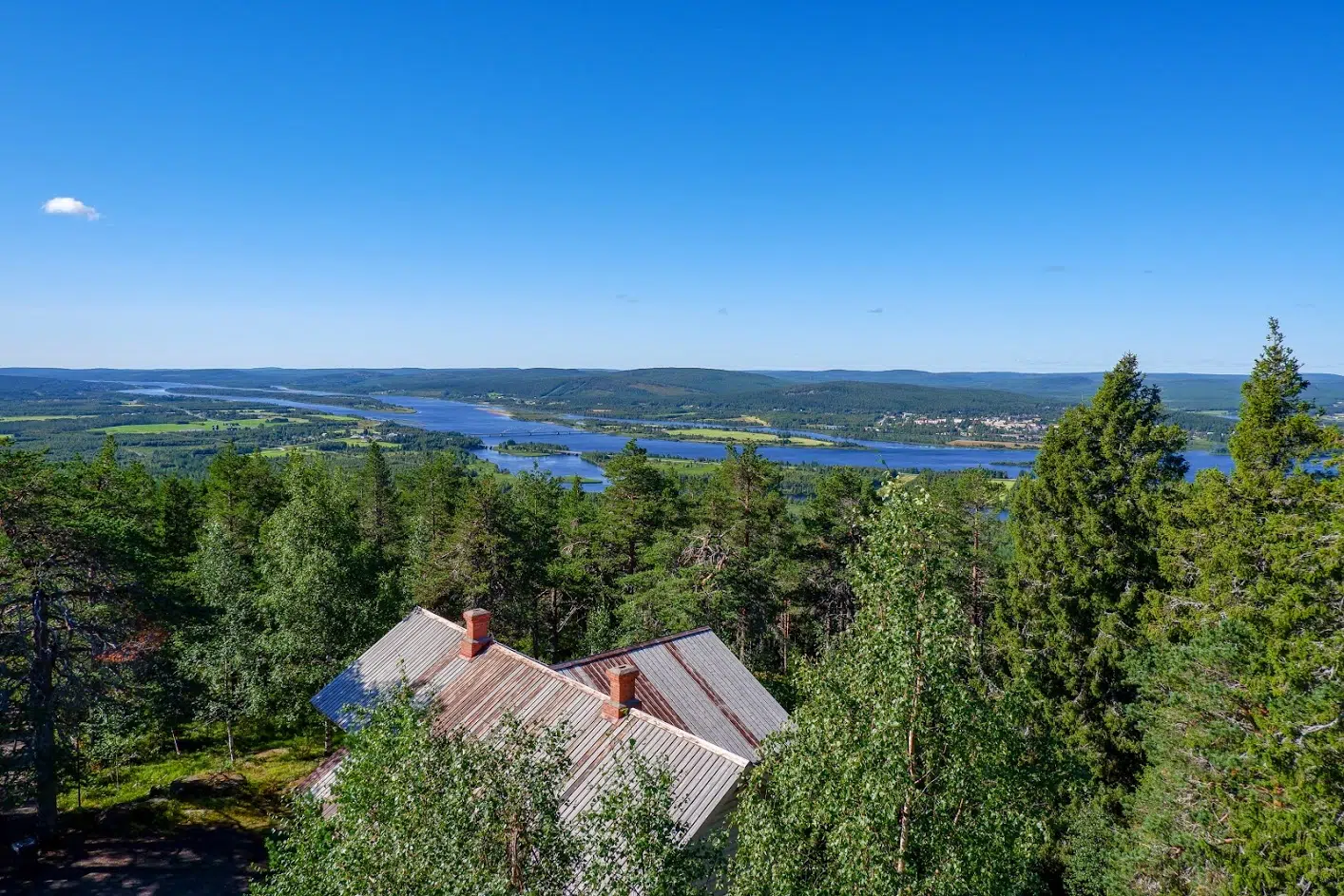
Aavasaksa is one of Finland’s most iconic travel destinations and is easy to reach even for those who prefer not to tackle steep climbs up the hill’s slopes. A road leads to the top of Aavasaksa, where you’ll find parking, accommodation options, a lookout tower, the beautiful old Emperor’s Lodge (Keisarinmaja), and a selection of trails and viewpoints.
26. Pallastunturi Fells, Muonio
This magnificent fell group can be admired from numerous viewpoints. You can, for example, take a fitness-boosting day hike to Taivaskero (loop trail 8,3 km) or Palkaskero (loop trail 6,9 km). For an accessible experience, enjoy the Pallastunturi Fells up close at Orava Avenue or the nearby beach called Punainenhiekka (“Red sand”). The Pallastunturi Fells can also be seen beautifully from the peak of Olos, among others.
27. Utsjoki Valley, Utsjoki
This national landscape is familiar to anyone who has seen the film Christmas Story, as the movie prominently features the church cottages of Utsjoki. These cottages stand on the shore of Lake Mantojärvi, just a few kilometers from the center of Utsjoki village. Nearby is Utsjoki’s impressive stone church. In the area, you can walk the Hiljentymisen polku trail (“Path of Reflection”), and for those who wish to gain a higher vantage point, you can view the national landscape from the Ailigas Fell in Utsjoki.
Related Content


Leave a Reply
Want to join the discussion?Feel free to contribute!