
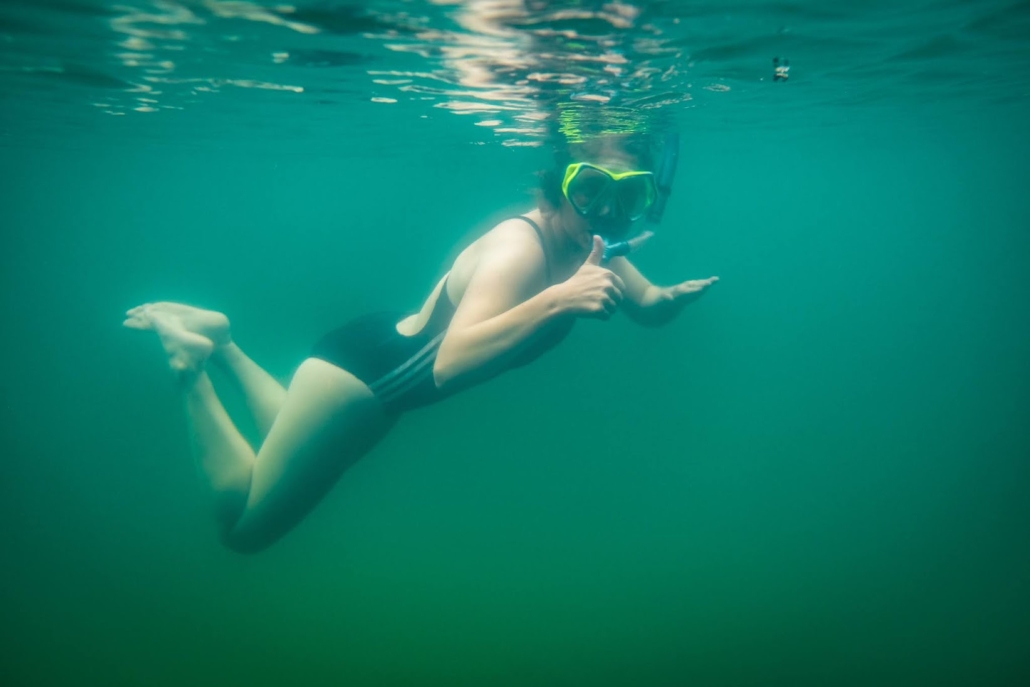
Snorkeling in the Baltic Sea – What to Expect Along the Finnish Coast
Many are surprised to learn that Finland’s coast offers interesting opportunities for snorkeling. Although the Baltic Sea is relatively shallow and low in salinity, its underwater world is diverse and easy to explore even without diving equipment. Snorkeling gives visitors a new perspective on this northern sea and makes a seaside holiday in Finland even more memorable.
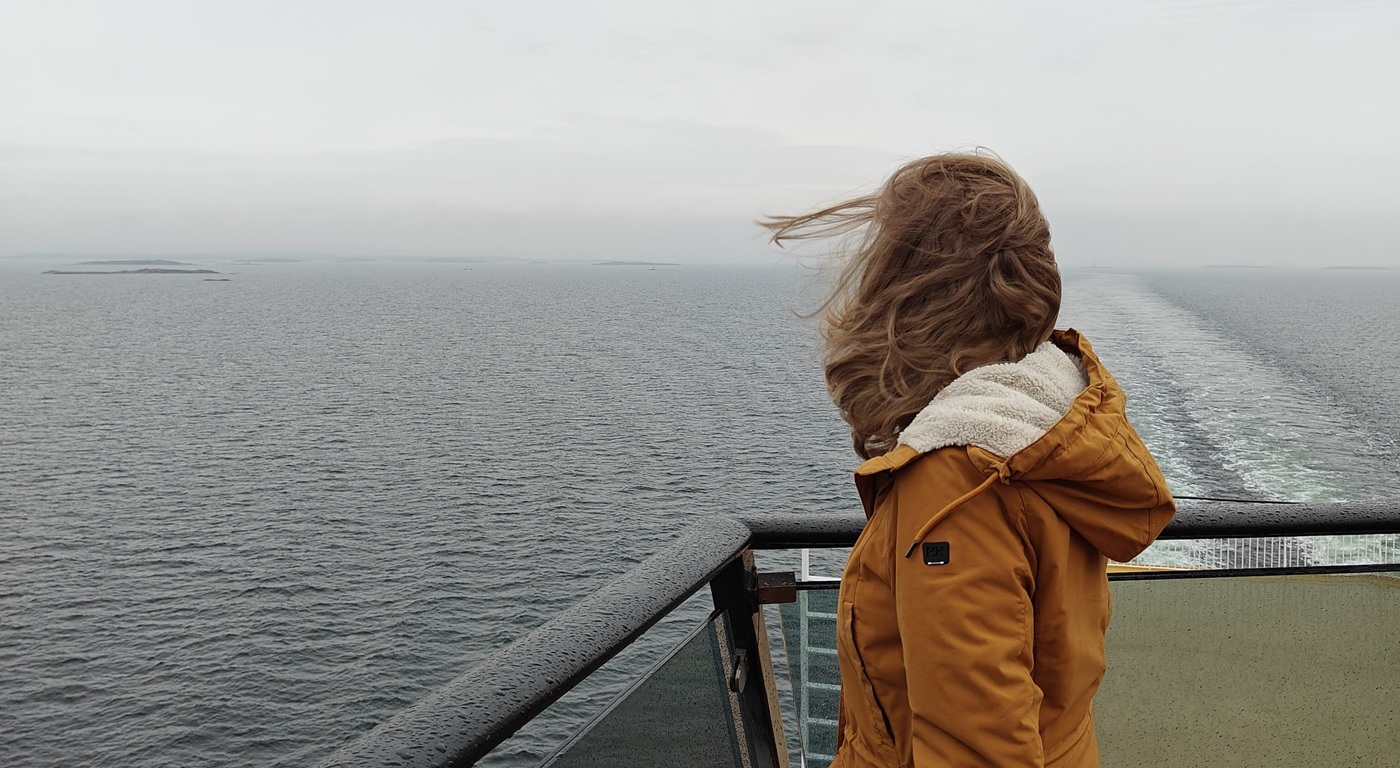
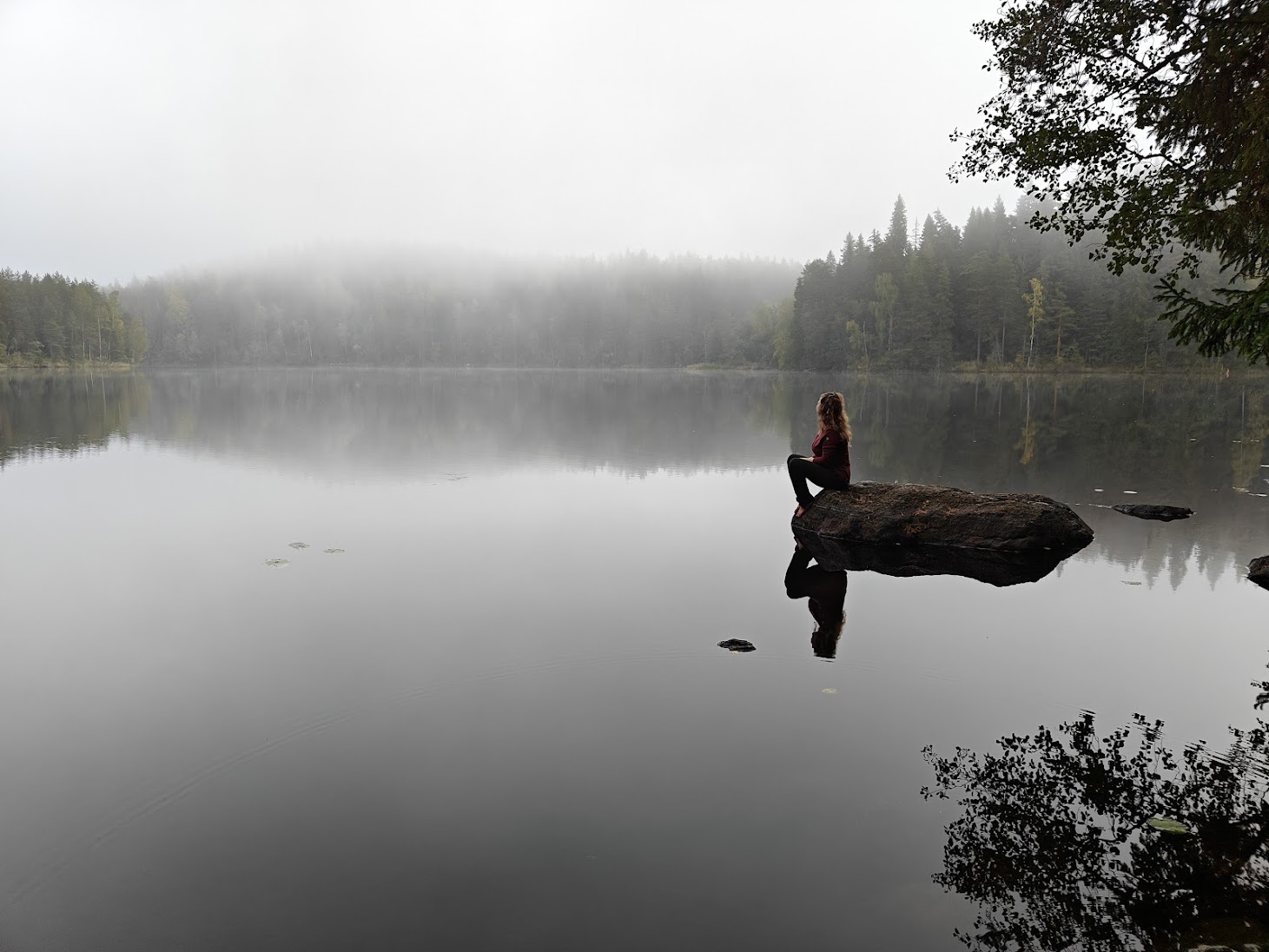
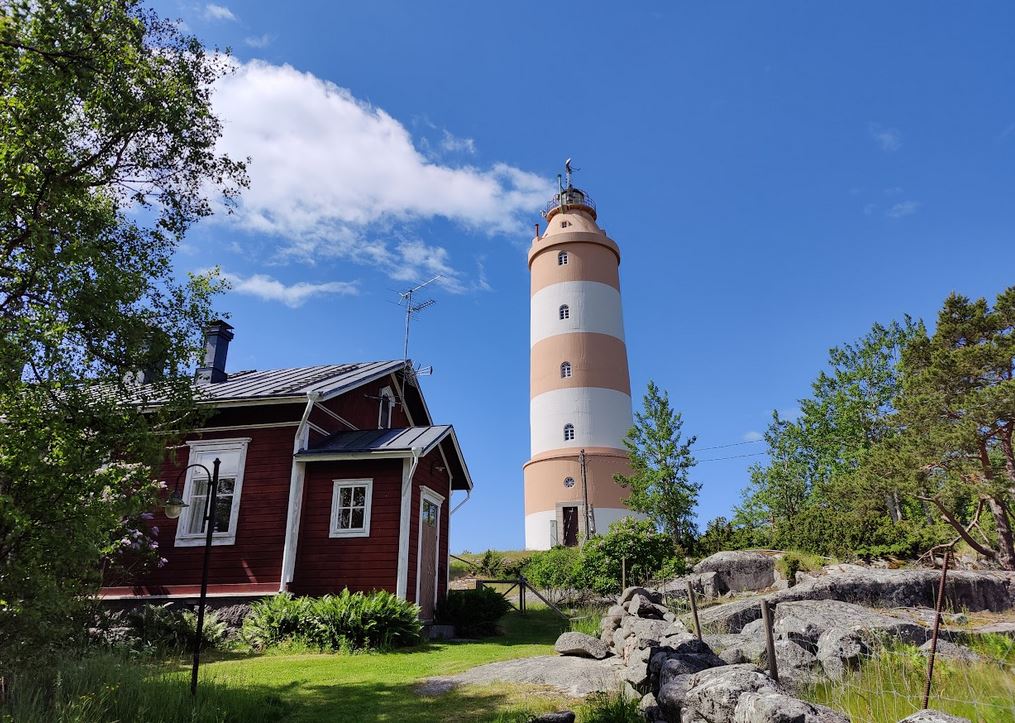
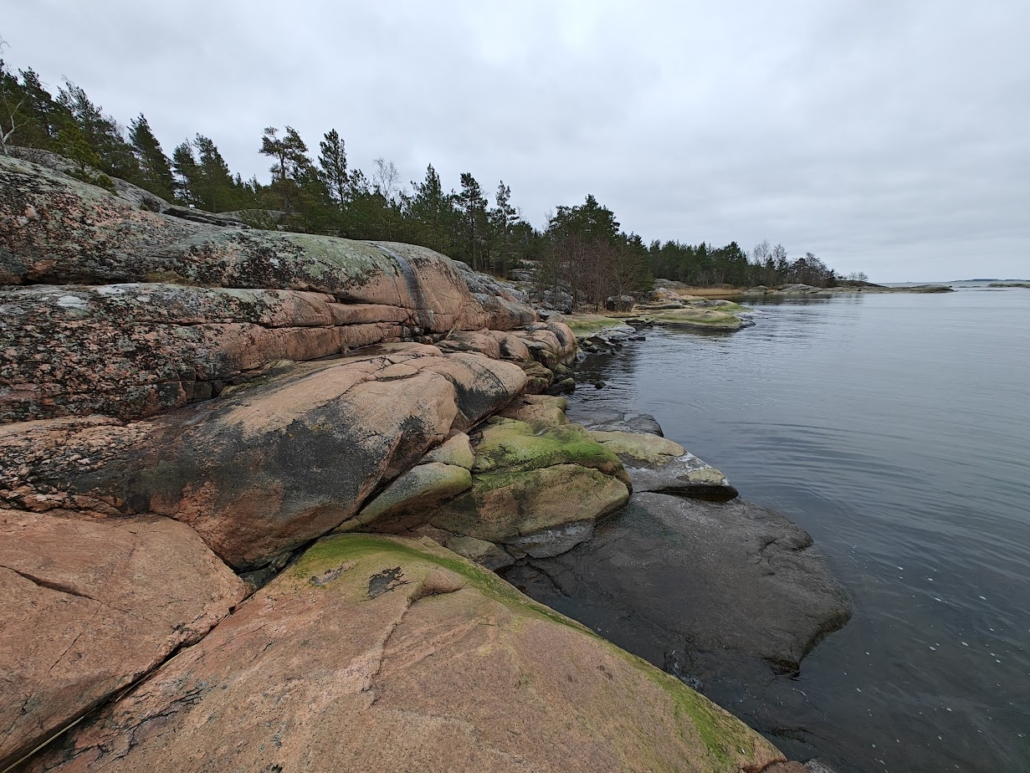
The photographs in this article were taken in Hanko as well as on the islands of Isokari, Utö and Jurmo.

The Baltic Sea in Brief
The Baltic Sea is one of the youngest and shallowest seas in the world. It is almost completely enclosed, connected to the Atlantic Ocean only through the narrow straits between Denmark and Sweden, known as the Danish Straits. As a result, the water exchange is slow and the salinity is low. Both freshwater and saltwater species live here, creating a unique ecosystem. Finland’s coastline is long and varied, with shallow sandy beaches, smooth rocky shores, and thousands of islands.
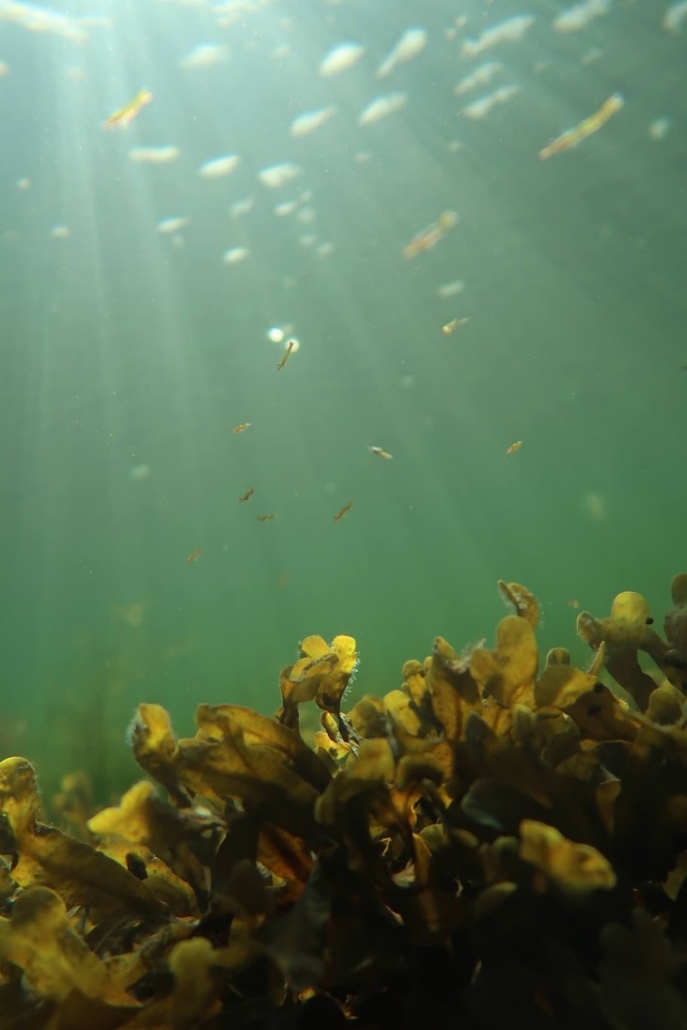
What Kind of Wildlife Can You See?
The Baltic Sea may not offer colorful tropical fish, but its small-scale and delicate marine life is fascinating. Common encounters for snorkelers include:
- Small crabs and prawns, such as mud crabs and baltic prawns.
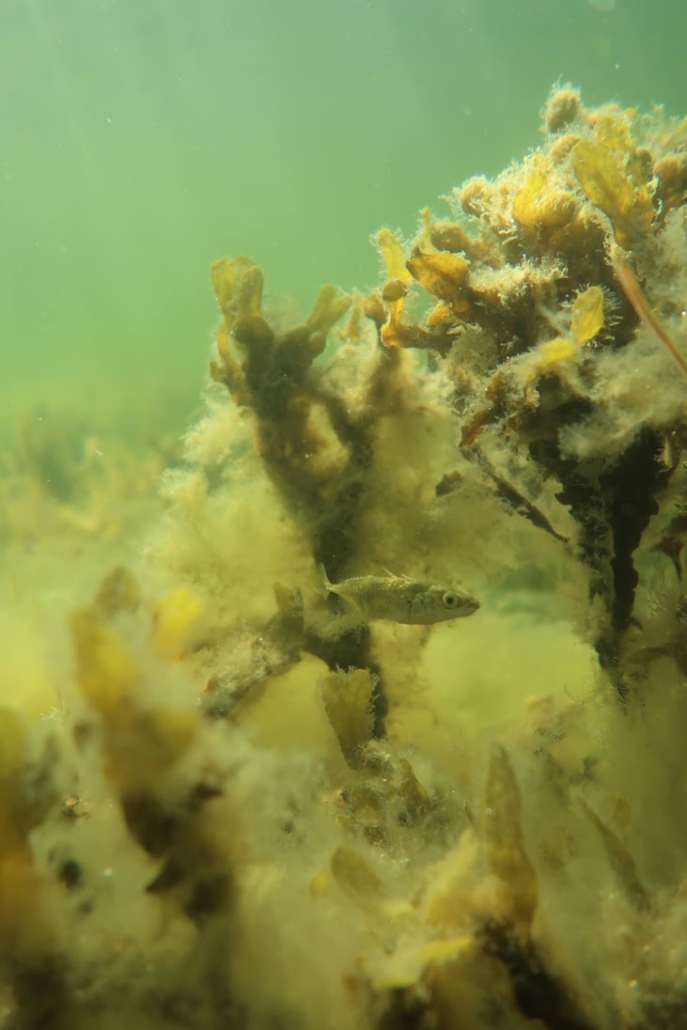
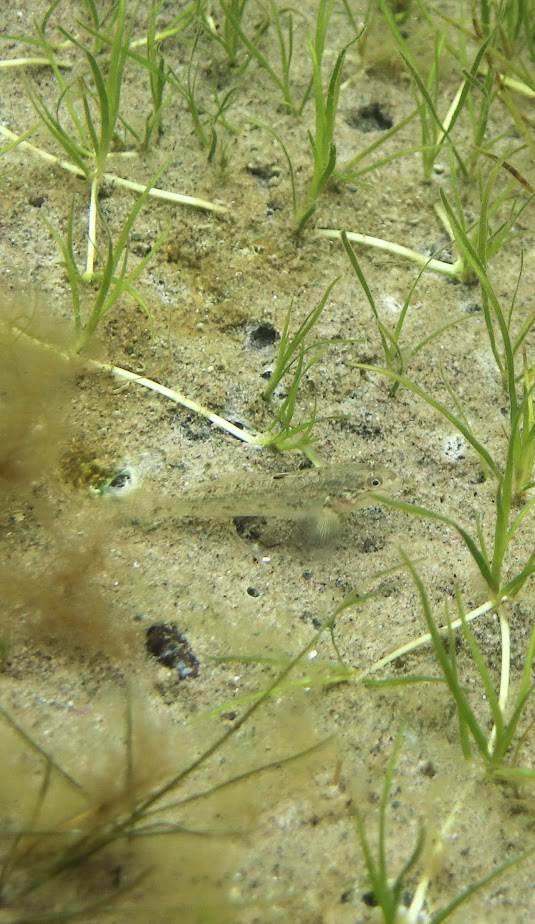
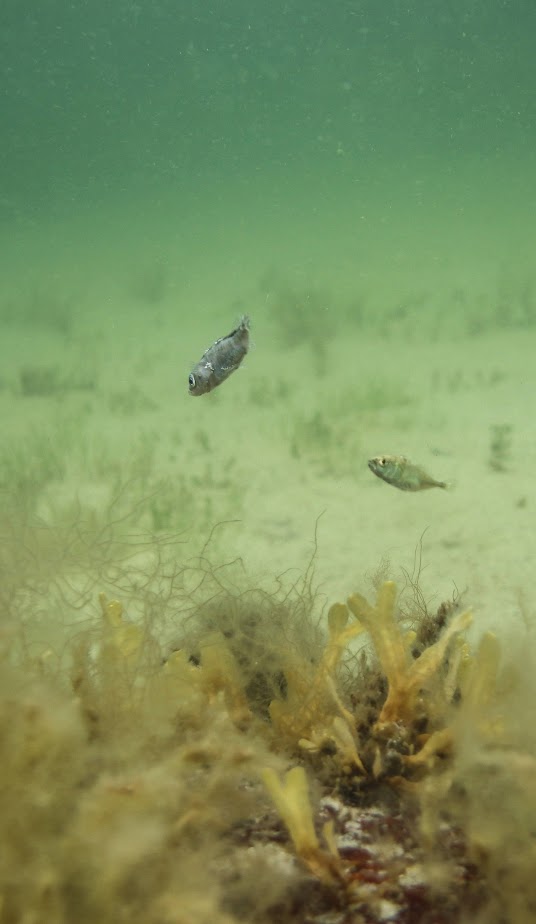
- Three-spined sticklebacks, small and lively fish often seen in shoals near the shore.
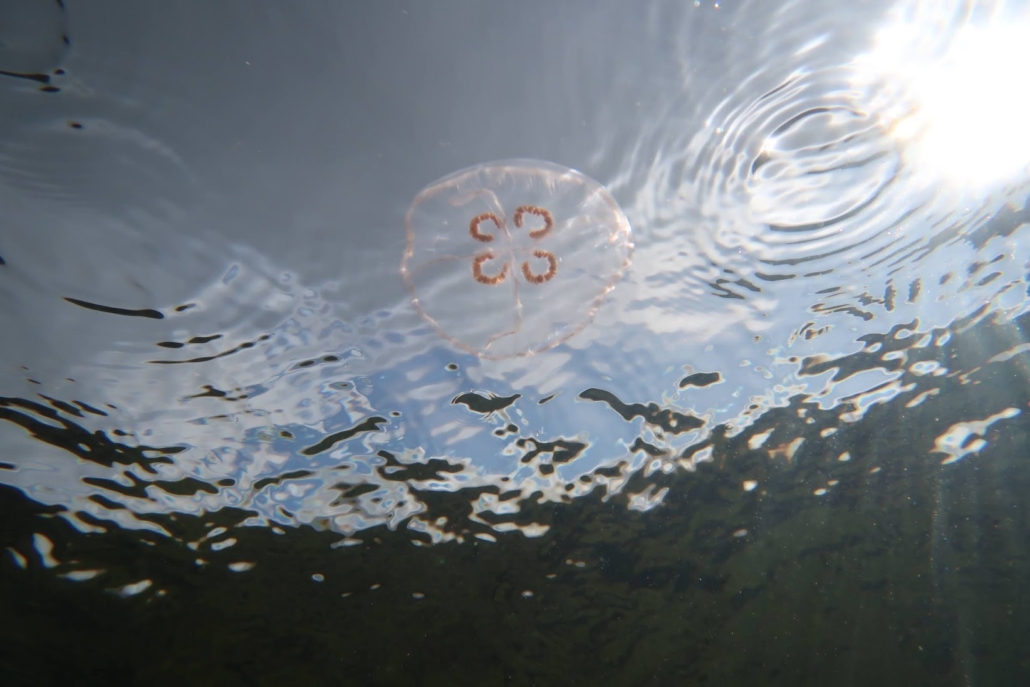
- Moon jellyfish, translucent and gracefully drifting in the water, completely harmless to humans.
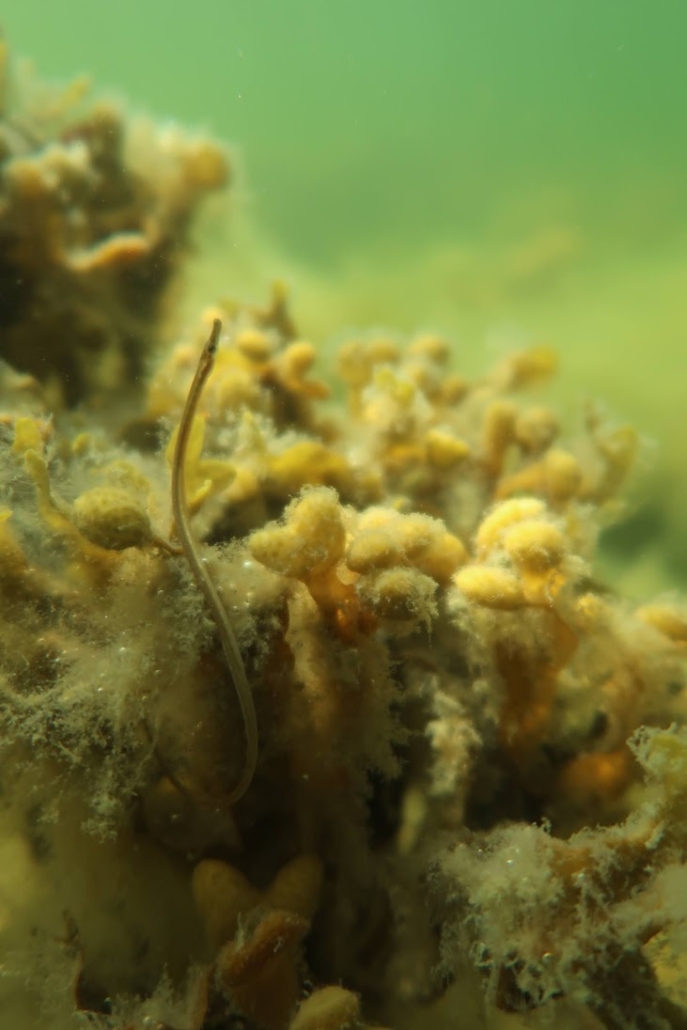
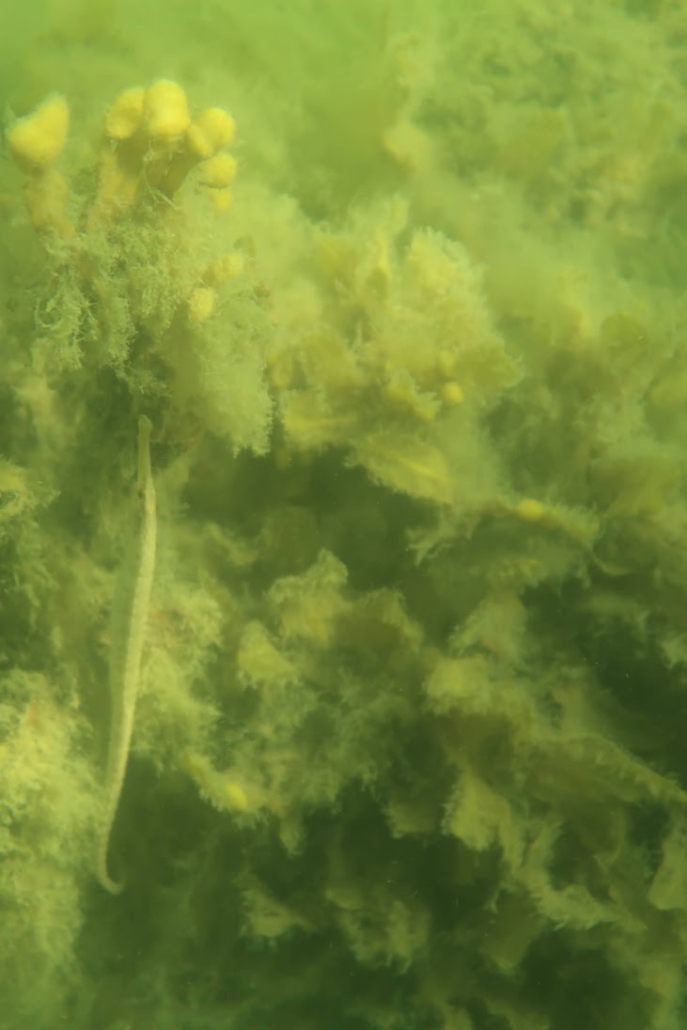
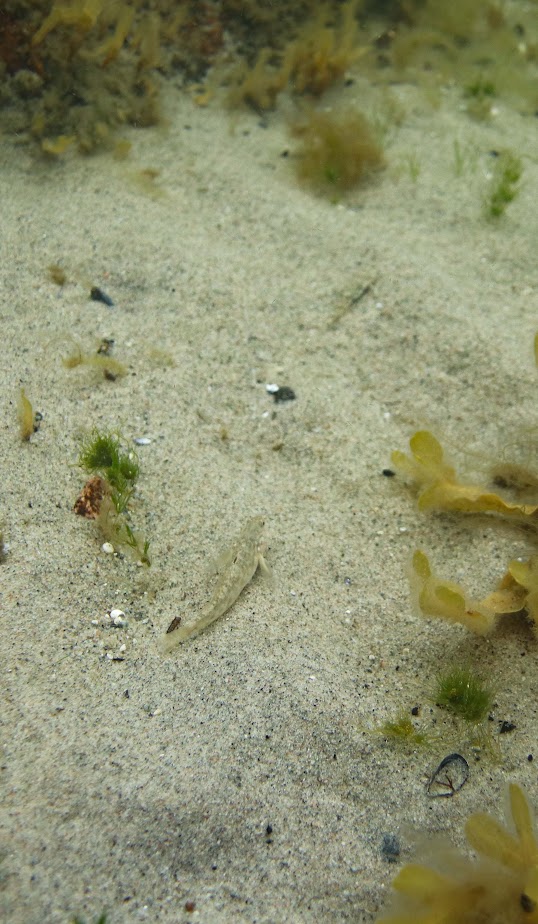
- Straightnose pipefish, long and slender fish that resemble underwater plants and blend into their surroundings.
- Broadnosed pipefish, a similar but more angular and larger species.
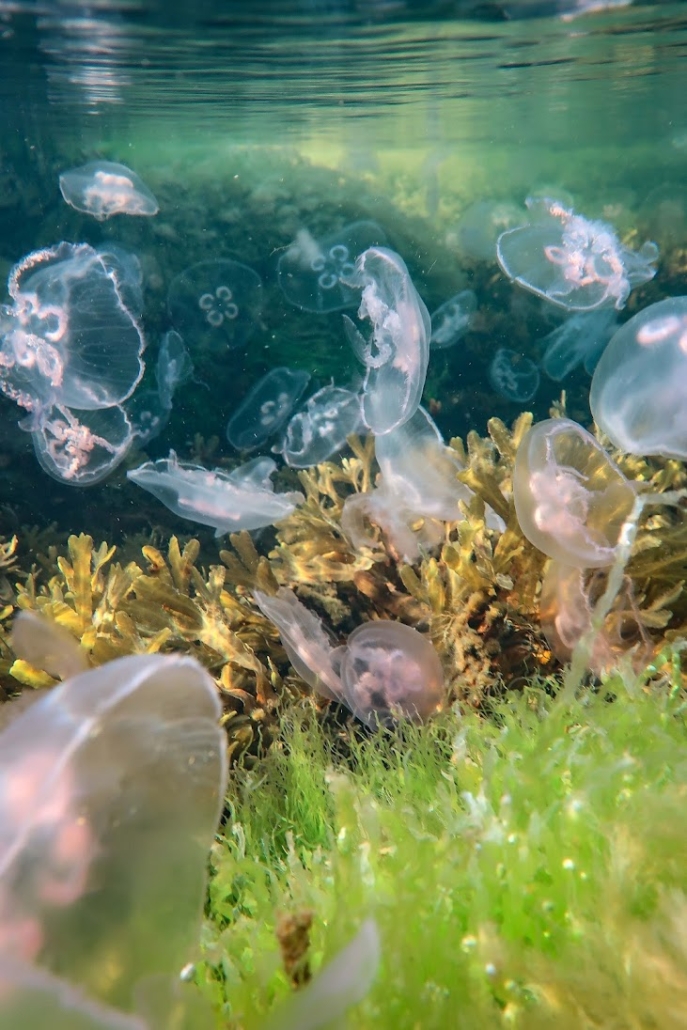
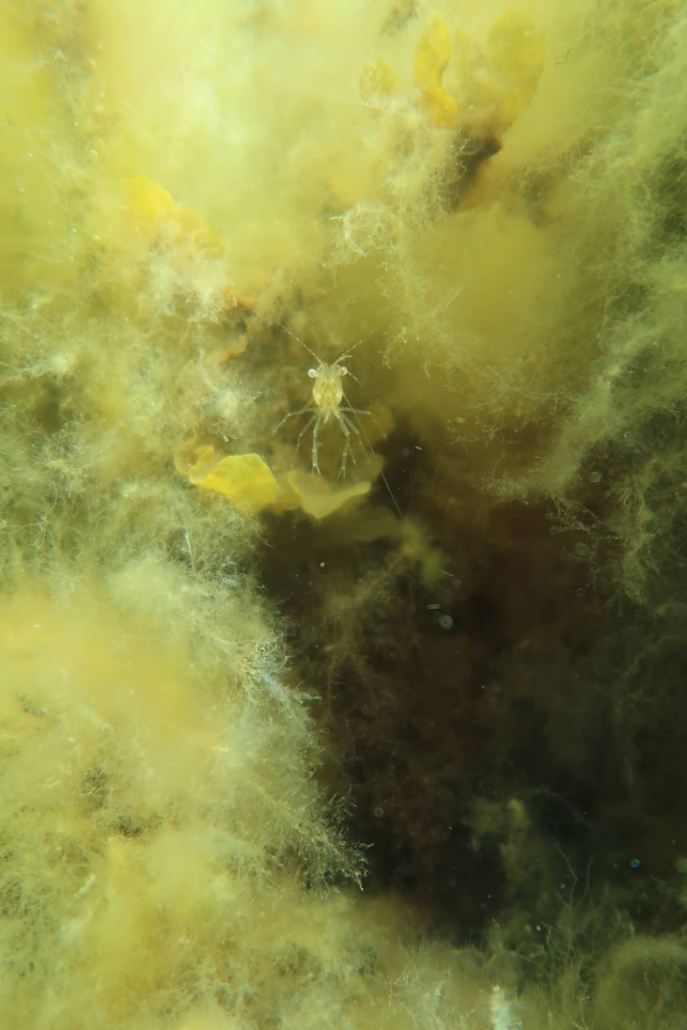
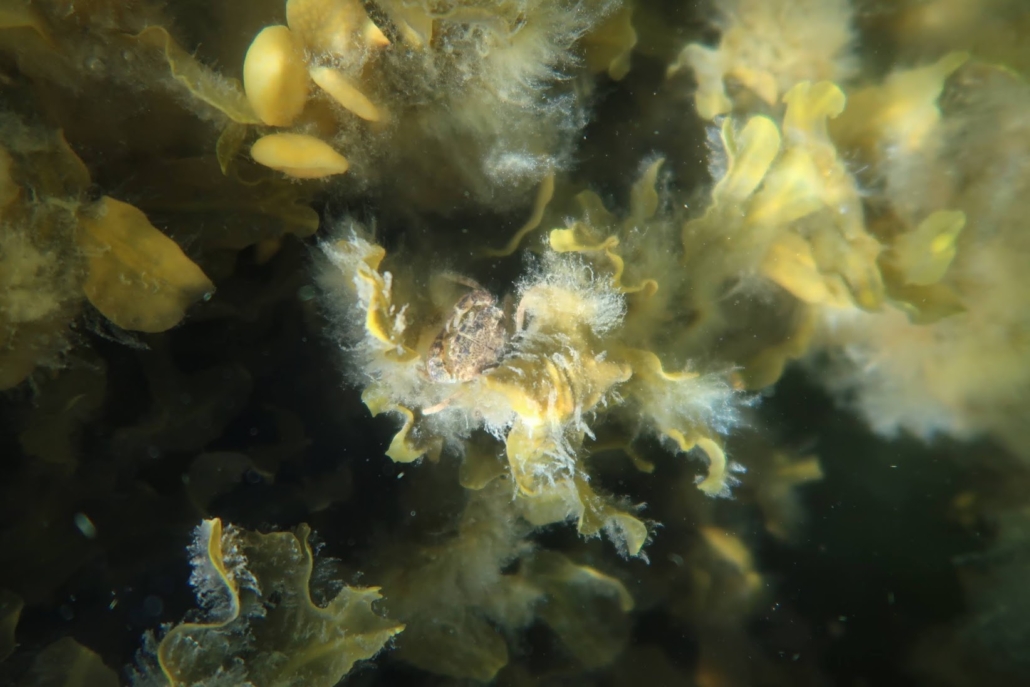
With patience and careful observation, the Baltic seabed often reveals more life than one might expect at first glance.
Water Temperature and Blue-Green Algae
Although Finland lies far in the north, the seawater warms up to pleasant swimming temperatures in summer. In July and August, the water can rise above 20°C (68°F) close to the shore, making snorkeling comfortable.
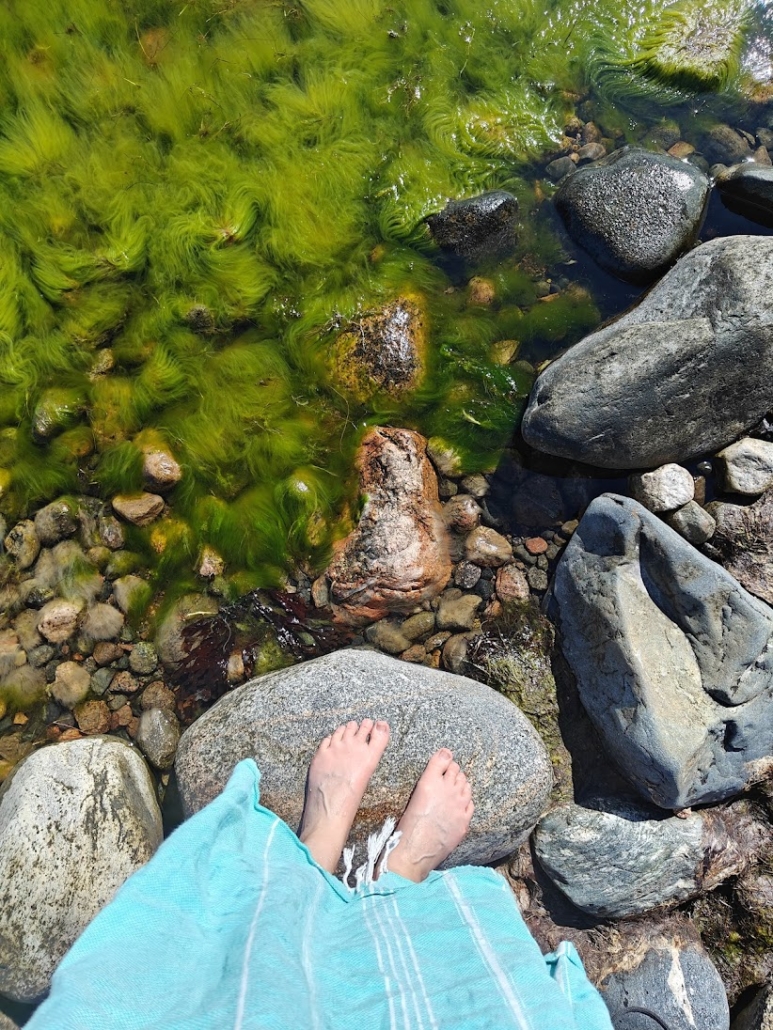
However, it is important to be aware of blue-green algae (cyanobacteria). Blue-green algae are not actually plants but bacteria that can multiply rapidly in warm, calm weather. They can be recognized by greenish, cloudy water with flakes or thick, paint-like layers floating on the surface. If the water looks unusually green or has dense mats of algae, it is not safe to swim. Blue-green algae can irritate the skin and may be very harmful if swallowed.
Water Clarity in Different Areas
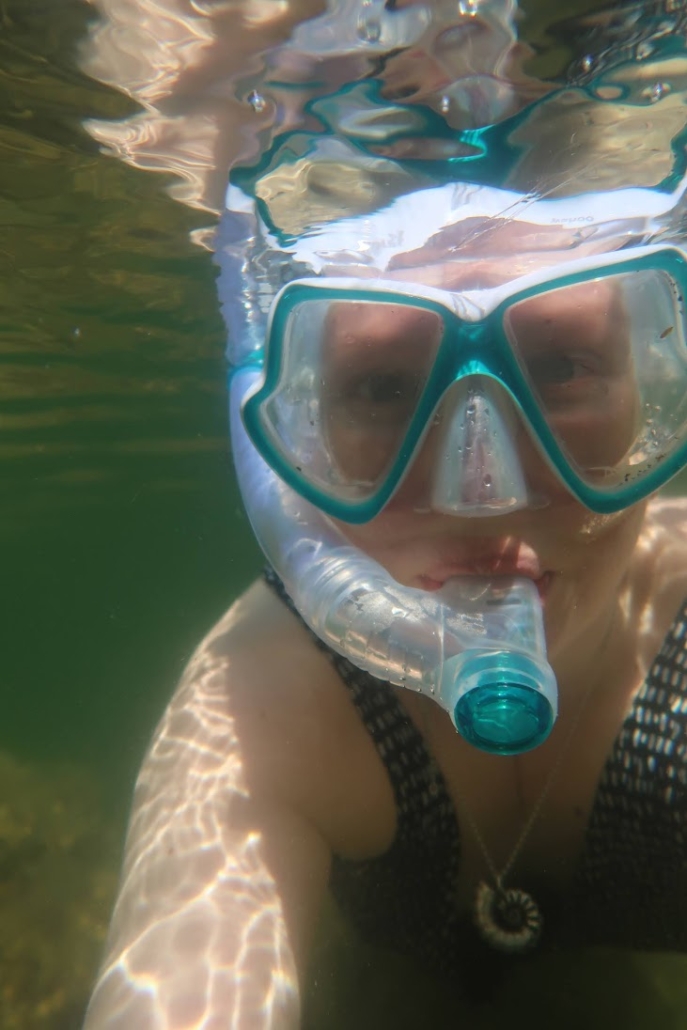
Water clarity in the Baltic varies greatly depending on the location. Near river mouths, the water may appear brownish and murky, while in other places it can be surprisingly clear. Some of the best snorkeling spots along the Finnish coast include:
- The Bothnian Sea, for example Isokari Island in the Bothnian Sea National Park, where the clear and cool waters offer good visibility.
- The outer Archipelago Sea, such as Jurmo Island in the Archipelago National Park, where the underwater landscape is diverse and visibility often excellent.
- The Hanko Peninsula, where the proximity of open sea makes the water clearer than in much of the inner archipelago.
👉 Please note: In summer, no location is completely safe from blue-green algae. Conditions can change quickly, and the algae situation must always be checked before entering the water. If blue-green algae are present, it is best to stay out.
Safety and Practical Tips
When planning a snorkeling trip, it’s good to keep a few things in mind:
- Smooth rocks can be treacherously slippery. Wet algae make the surface feel soapy, and a careless step may lead to a bad fall. Always choose your entry point carefully and take care not to slip and hit your head.
- Ask locals for advice on good swimming spots. Residents usually know where the safest and most pleasant access points are.
- Basic gear – a mask and a snorkel – is sufficient, but in many places, water shoes are useful to avoid slipping and to protect your feet from rocky or uneven seabeds.
Snorkeling along the Finnish coast of the Baltic Sea is a unique experience that offers an intimate encounter with this special body of water. While you won’t see colorful coral reefs, you will discover delicate and surprising details – small fish, crabs, and jellyfish that tell the story of the Baltic’s fragile ecosystem. With the right conditions, awareness of blue-green algae, and a cautious approach to safety, the Baltic Sea provides an unforgettable glimpse into northern underwater life.
Read next
Crystal-clear water and fine sandy beach: this is Padva Beach on the Baltic Sea coast in Raseborg
Summer Trip to Isokari Lighthouse Island in the Bothnian Sea National Park
Related Content



Leave a Reply
Want to join the discussion?Feel free to contribute!