
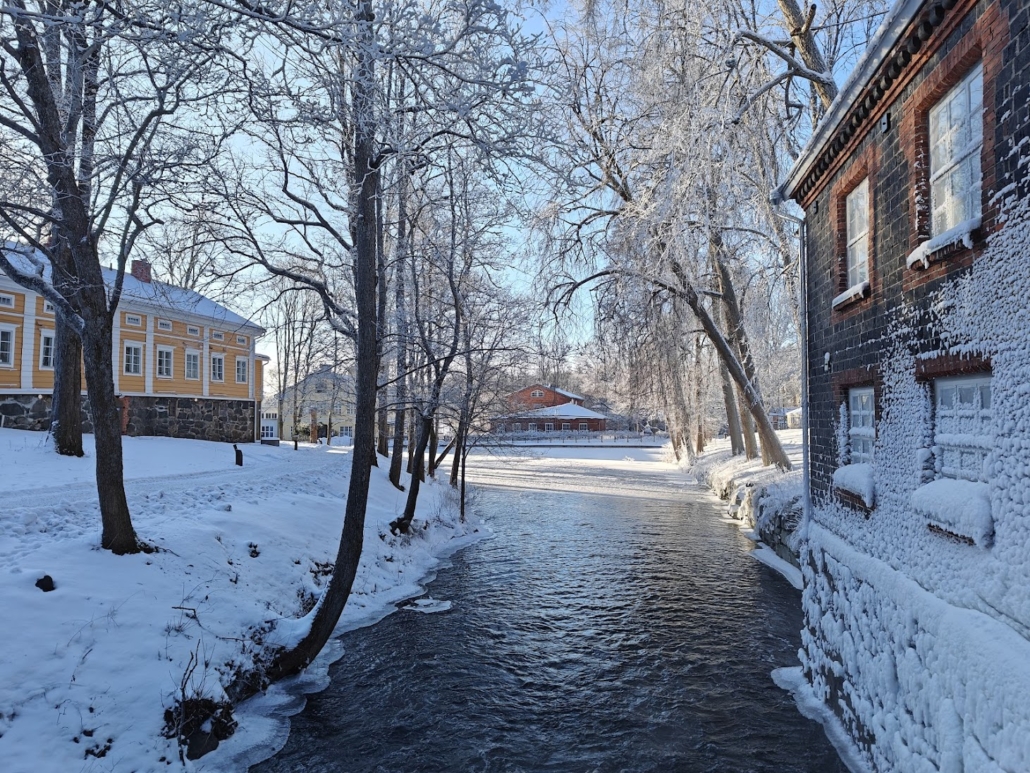
Winter Silence in Historic Fiskars Village
The Raseborg area in western Uusimaa is rich in fascinating history and historical sites. In my view, one of the most picturesque features of the region is its old ironworks villages, whose varied buildings look postcard-perfect to modern Finnish eyes. Perhaps the most famous of these is Fiskars Village, which buzzes with tourists in summer – but when we visited one weekend in the middle of a beautiful, frosty winter day, we hardly saw another soul anywhere.
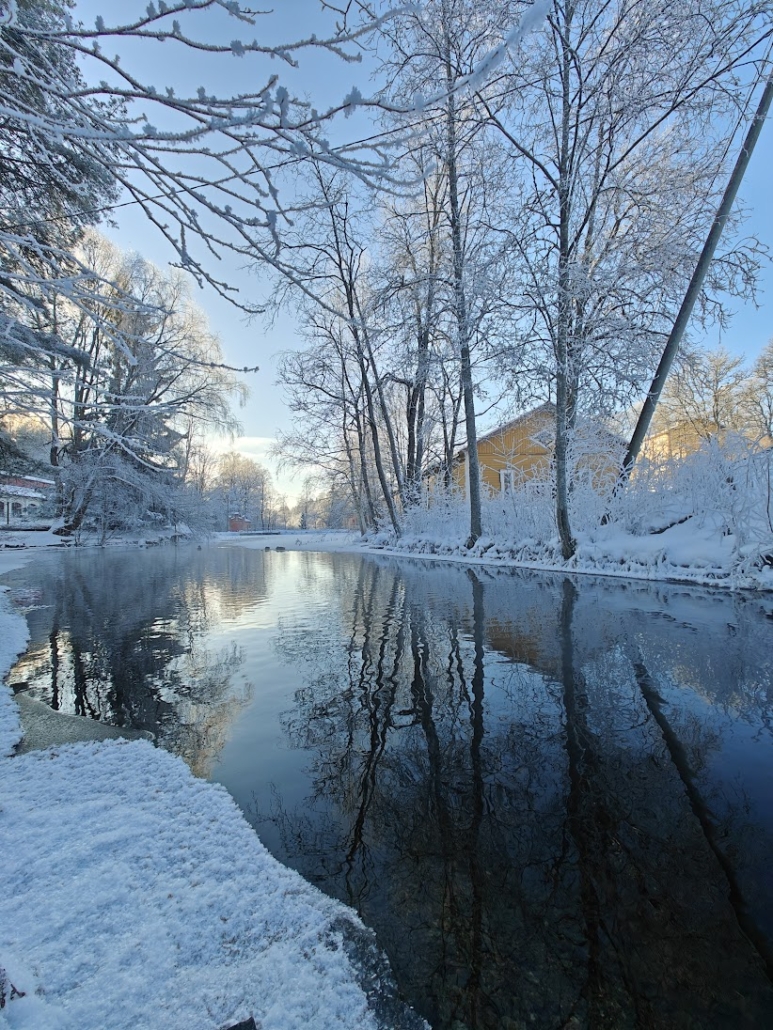
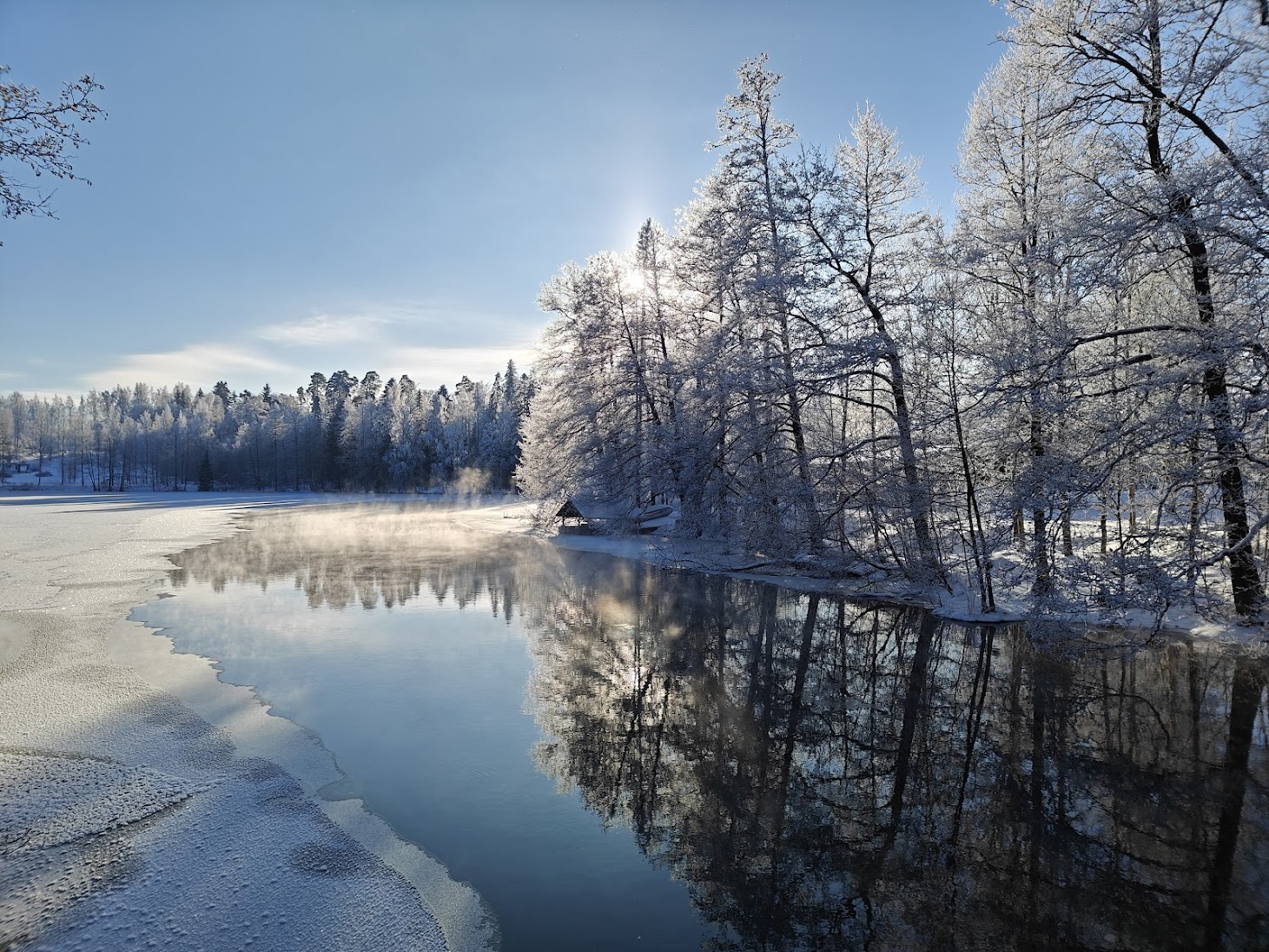
On that winter Sunday, the temperature hovered around –15°C as my husband and I drove towards Fiskars. We had set out on a small ironworks tour, as the Fiskars area is home to several smaller ironworks villages as well: Antskog, Billnäs and, a little further east, Mustio, also known as Svartå. Our very first stop was in Antskog, where we paused to take a beautiful photo of the unfrozen riverbank.
From Antskog, it is only a few minutes’ drive to Fiskars. When we arrived at the large parking area at Peltorivi 1, there was just one car there, looking thoroughly icy. There were no people in sight, which suited us perfectly – we would get to experience this lovely winter village almost as if it were our own.
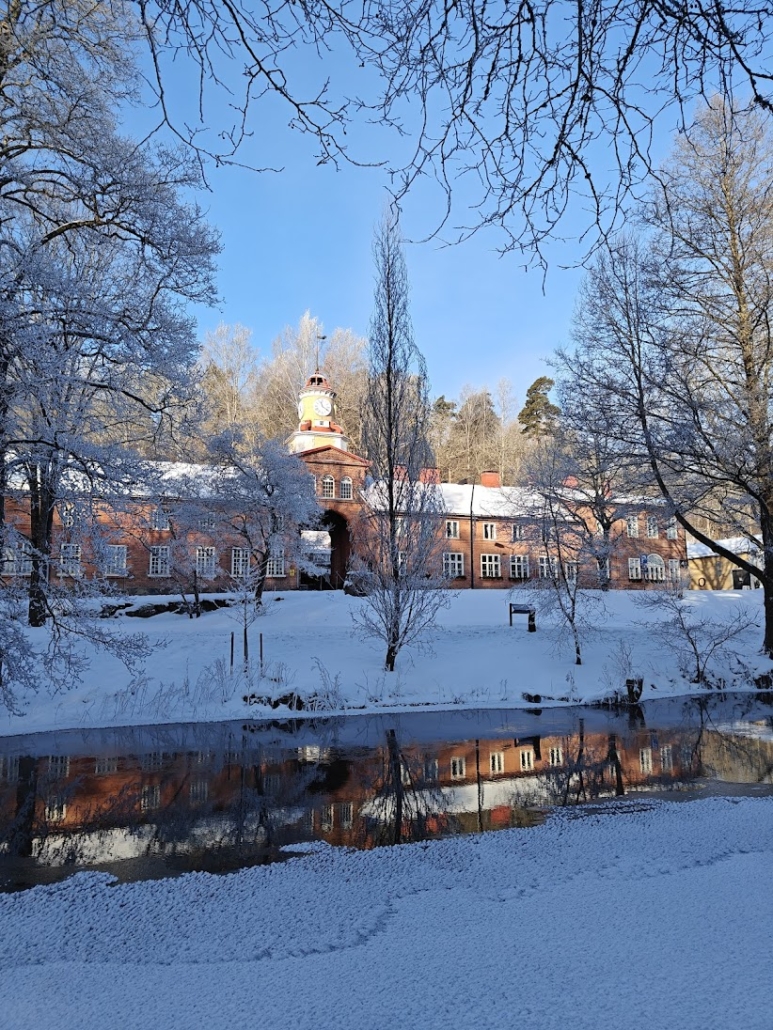
The name Fiskars may already be familiar to you, and for good reason: the village has given its name to Fiskars products such as scissors, axes and many other tools. Fiskars Ironworks was founded in 1649, and you can read more about its history in my autumn article.
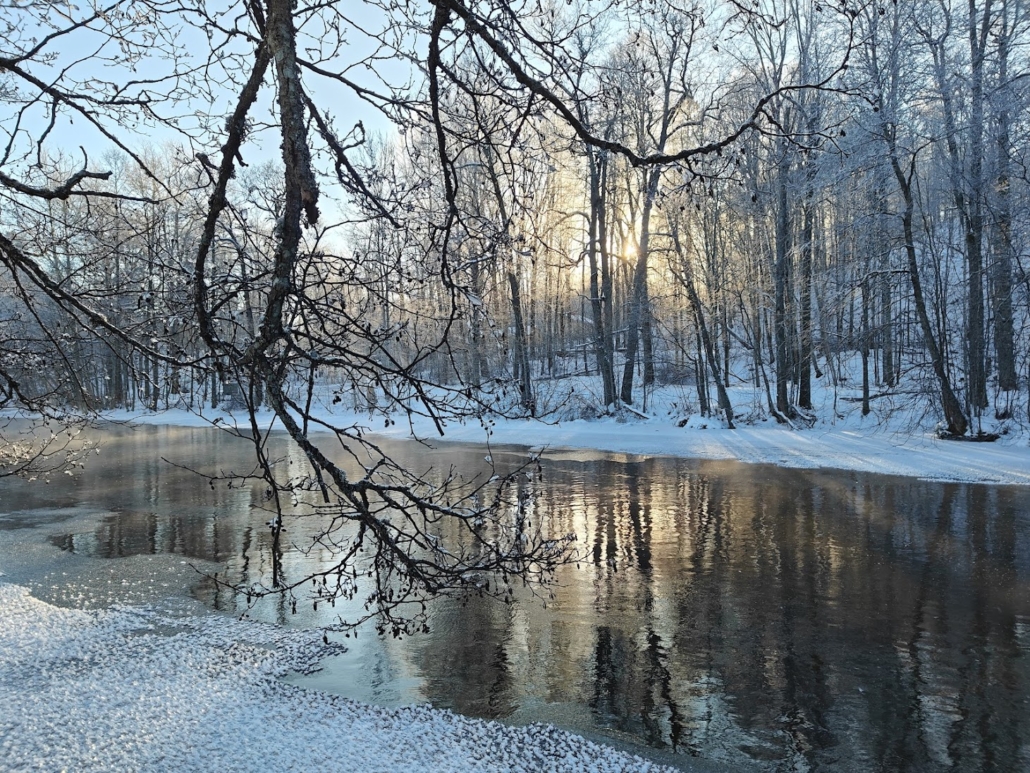
The parking area is almost in the middle of the village, right next to the Fiskars River that runs through it. We first set off to follow the river upstream towards Lake Degersjön. Along the shore we found a small, snow-covered jetty in the most wonderful scenery, as sunlight filtered through the trees on the opposite bank.
It soon became clear, however, that the frost was truly biting. The moisture rising from the river made it feel much colder than –15°C. After just the first few metres we were already freezing, so we changed direction to make sure we could explore the village centre before turning into icicles.
In the central area, there are several bridges crossing the river. We weaved our way forward, crossing bridge after bridge to see the village from many different angles. We stopped on each bridge to admire the views. There were plenty of ducks overwintering in the river.
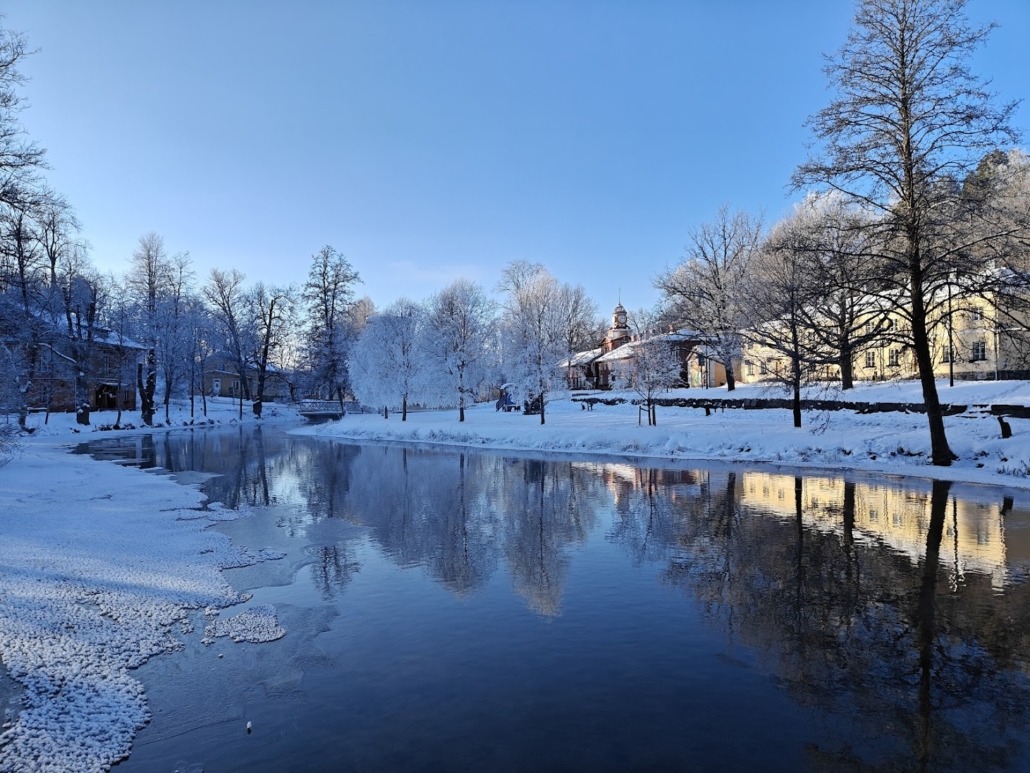
The playground was frozen and silent, but some of the village’s services seemed to be open even at this time of year. Fiskars is home to hotels, restaurants, exhibitions and, of course, the Fiskars factory outlet.
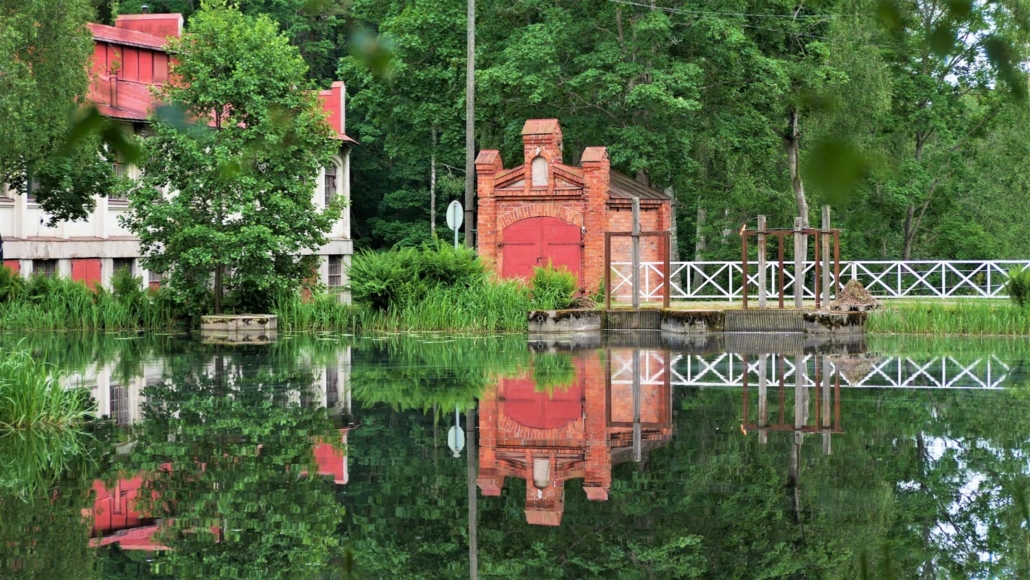
The restored mill building was a delight to the eye, and we stood beside it for a while, listening to the sound of rushing water.
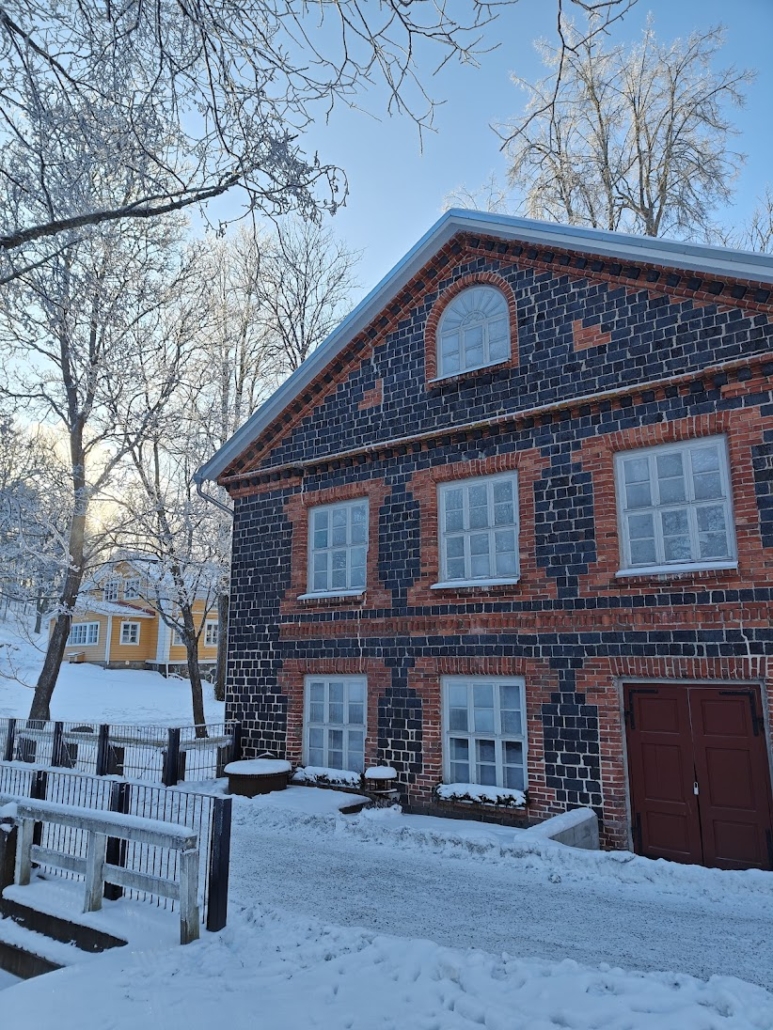
When we reached the stately headquarters of the Fiskars Group, we had no choice but to turn back if we wanted to make it to the car before freezing solid. If you visit Fiskars in winter, you are sure to see truly beautiful places – just remember to dress as warmly as you possibly can and hope that it will be enough.
Read next
Ekenäs’ serenity and autumn colours are fit for a postcard – only one hour from Helsinki
The Antskog Ironworks in Raasepori – a historical idyll by the river
Related Content



Leave a Reply
Want to join the discussion?Feel free to contribute!