
14 Signs That Autumn Has Arrived in Finnish Homes and Lives
This morning, pulling on a pair of wool socks, I realized autumn has unmistakably arrived. So I sat down and made a list of some genuinely traditional Finnish signs of the season — things that hold true all across Finland, even though the practical details of getting ready for autumn vary somewhat depending on what kind of home you live in.
1. Wool socks come out of storage
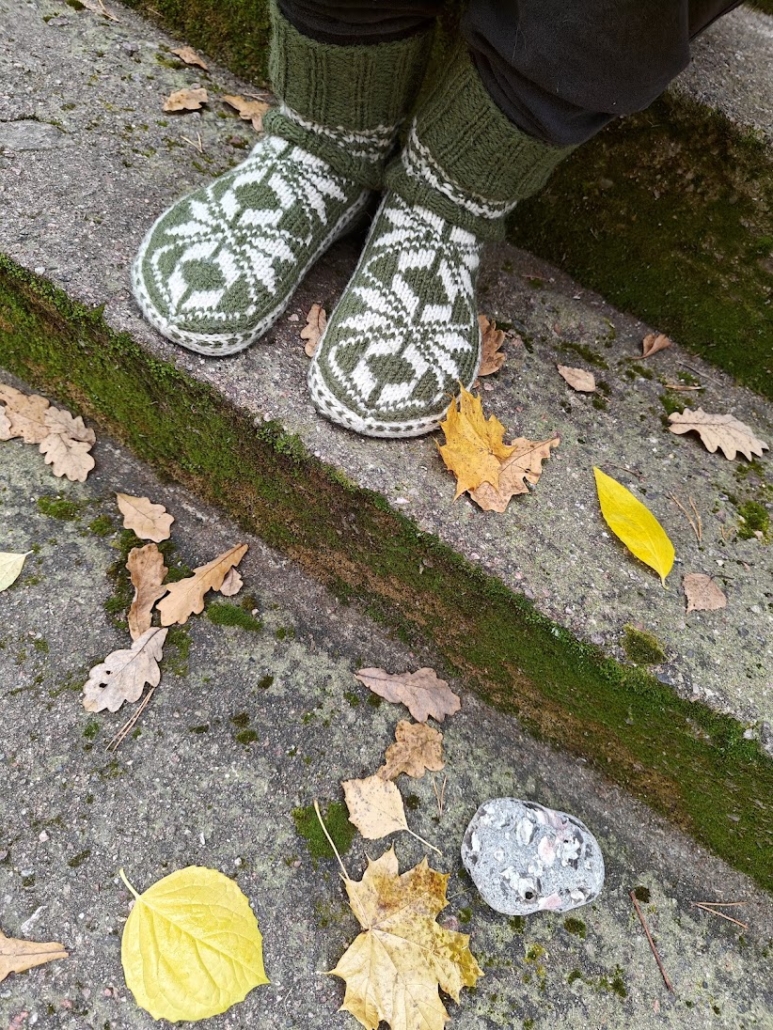
Hand-knitted wool socks are almost a national symbol in Finland. Many Finns received their first, second, and even third pairs of wool socks from a grandmother or mother, and wool socks are a genuinely popular Christmas gift. They’re often worn indoors almost year-round (older homes in particular can have chilly floors even in summer), but by autumn at the latest they move from the back of the closet into daily use. Wool socks are often colorful and patterned. You can find them, for example, at market stalls.
2. Rubber boots appear in the entryway
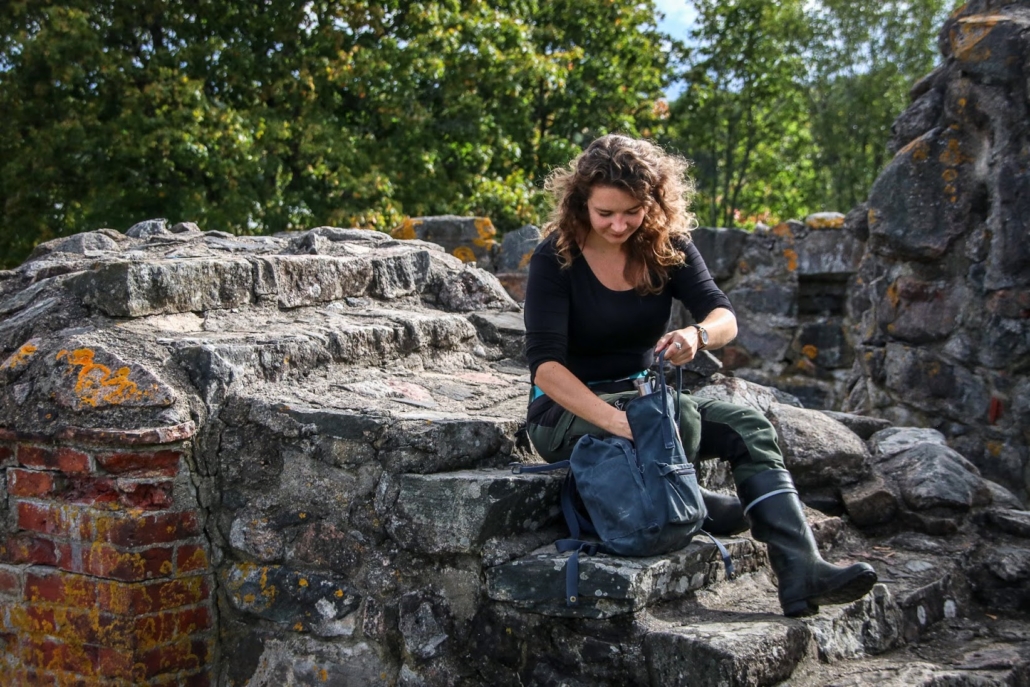
Finnish autumn easily turns rainy and, later, slushy, so rubber boots become the entryway’s most essential footwear. A good pair of rubber boots is also excellent for mushroom and berry forays, trips to the mailbox, hikes, and yard work. Rubber boots are usually bought with enough room to fit wool socks underneath, on top of regular socks. In some years, the combination of wool socks and rubber boots works well right through most of the winter.
By the way, when it gets muddy and wet outside, even the last holdout understands why Finns (and Nordic people in general) always leave their shoes at the door when they come inside!
3. The reflector arsenal gets dug out
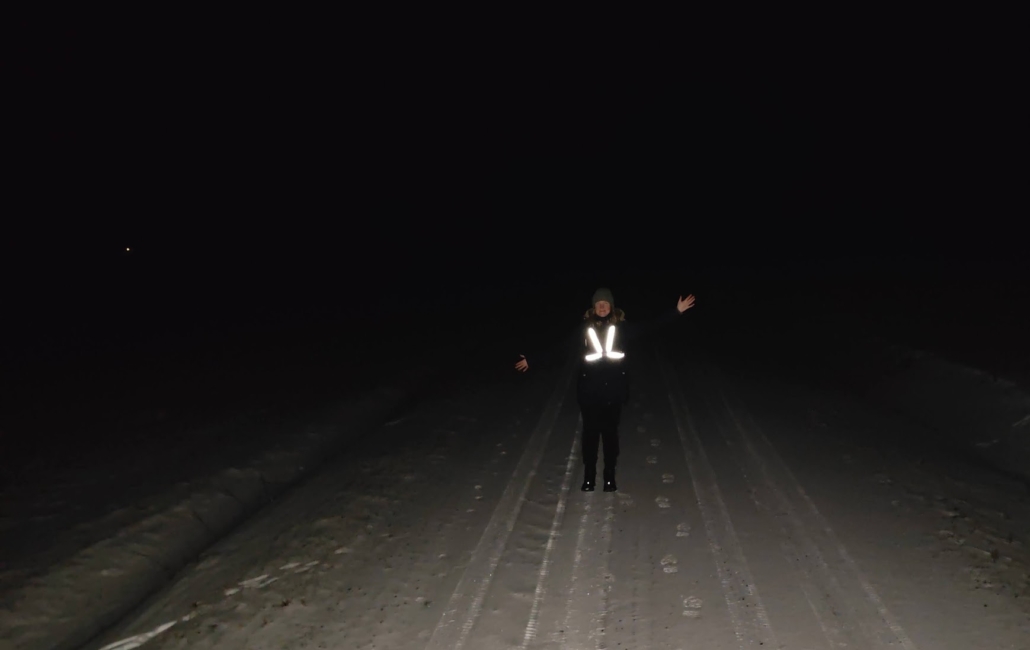
Many Finns know that a reflector it’s one of the cheapest and best life-insurance policies there is. Finnish autumns (and often winters too, if there’s no snow) are genuinely dark, and even though cities have streetlights, it can be extremely hard for a driver to spot a pedestrian or cyclist without a reflector.
The classic reflector is a small plastic item clipped to a coat or bag that reflects car headlights very effectively. A Finnish invention, by the way! There are also reflective-fabric accessories, like backpacks, bags and gloves. Many people prefer a reflective vest, which is easy and light to throw on before heading out. It’s perhaps not the world’s most fashionable look, but it helps its wearer stay alive.
Using reflectors is a safety measure that becomes relevant as soon as the days grow shorter. In Finland we sometimes wonder why reflectors aren’t standard everywhere in the world — after all, it gets dark everywhere sometimes, doesn’t it?
4. The closet gets reorganized
Because Finns keep clearly separate summer and winter wardrobes, many people reorganize their closets in autumn. At the very least the lightest summer clothes get packed away in storage, though some cooler-summer-weather items can still be useful into autumn. People dig out their transitional-season clothes for the front of the closet: wind-resistant jackets, thin beanies, and waterproof shoes. Later in autumn, warmer winter clothing (down jackets and wool hats) also comes out.
5. Berries, mushrooms, and the pies made from them
Autumn is the high season of foraging culture in Finland. “Everyman’s right” lets anyone pick berries and mushrooms in any forest. Many families fill their freezers with lingonberries and blueberries for the winter, and mushroom baskets (often traditional willow baskets, since plastic bags ruin mushrooms) dry out in entryways after a foraging trip. The berries and mushrooms gathered are often baked into pies or used in other dishes. Berries can also be preserved by freezing, or turned into juice concentrate and jam. Beyond freezing, mushrooms can be preserved by drying or pickling.

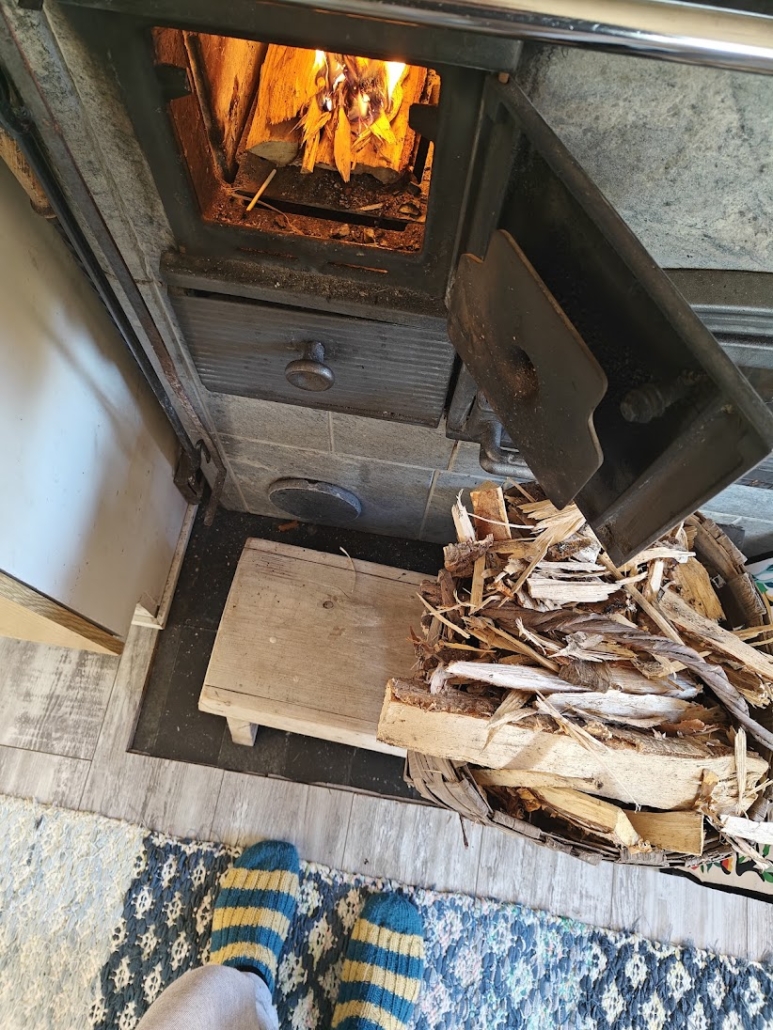
6. The first firewood logs go into the basket
Many Finnish detached houses have a fireplace or a wood-fired sauna stove, and wood heating feels especially necessary (and cozy!) in autumn and winter. In autumn, many people buy firewood for their woodshed to stock up for winter; others may have already felled a tree or two from their own yard the previous winter for future use. Filling the log basket and carrying in the first loads of wood is a concrete way of preparing for the cold season.
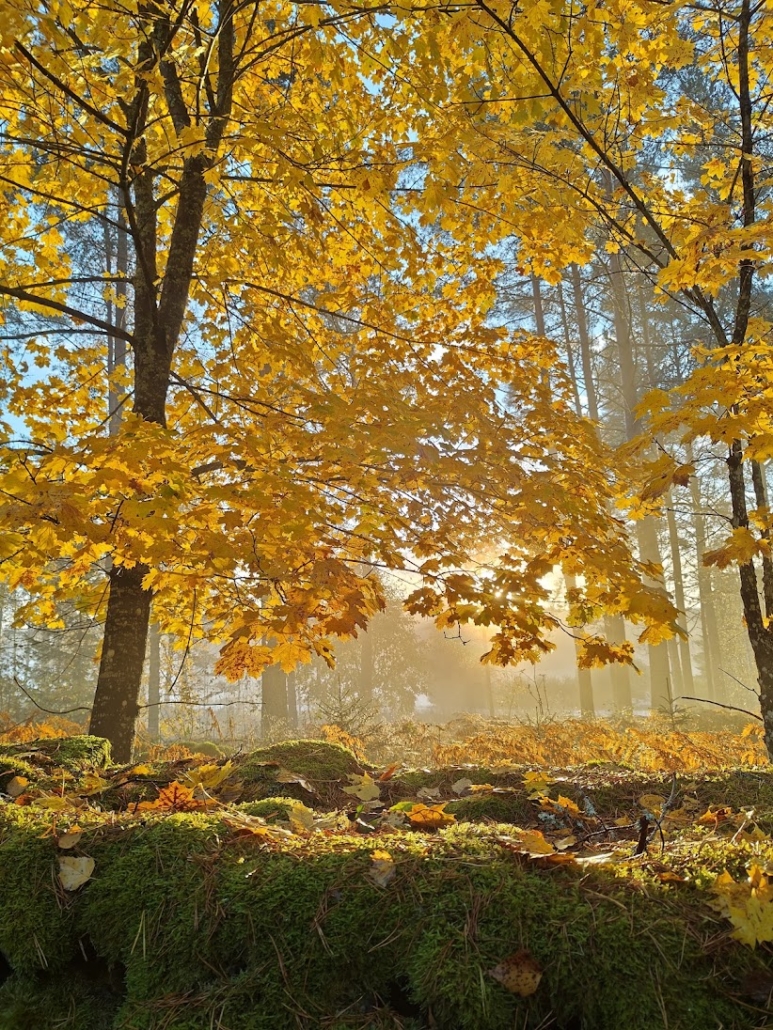
7. The refreshingly crisp smell outdoors
Autumn air has a distinctly recognizable character: the combination of damp earth, decaying leaves, and cool air strikes many people as invigorating, even calming. Autumn-lovers count this scent among the season’s best features, and it’s often associated with forest walks and mushroom-picking trips. The smell is at its best in the morning, the moment you step outdoors from inside. It’s the kind of thing that makes you want to pause and close your eyes for a couple of seconds, since this particular scent doesn’t last long before winter arrives.
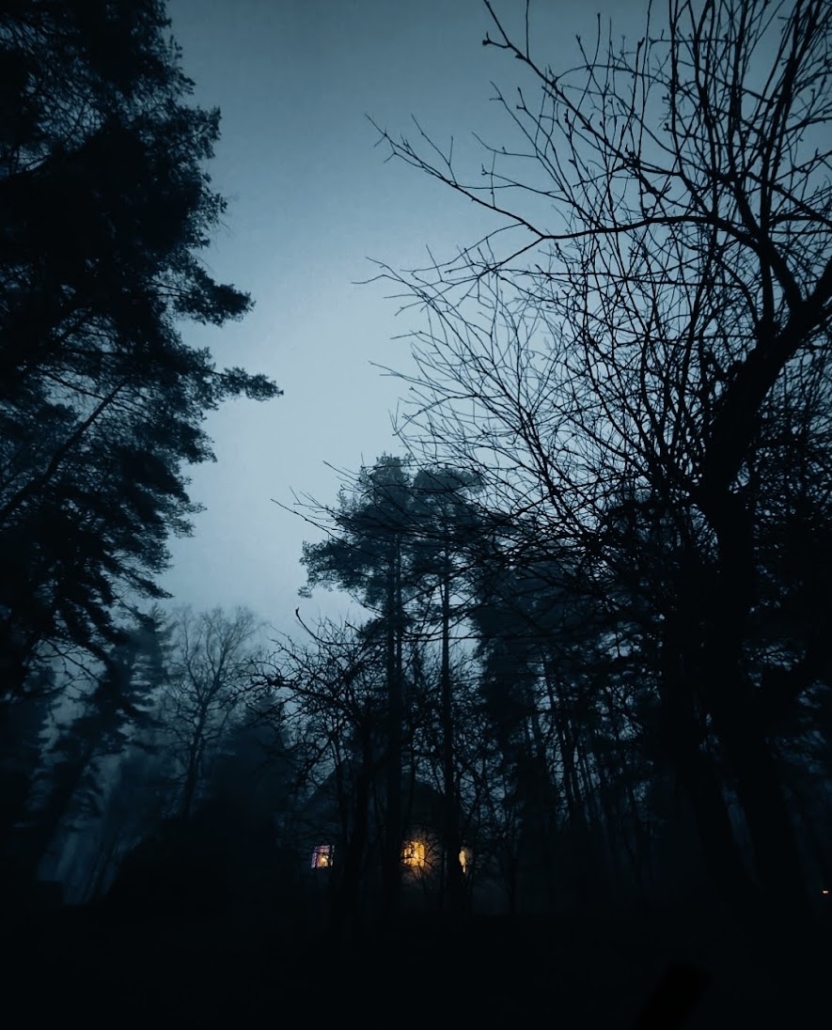
8. Dusk creeps in earlier, and vitamin D supplements appear in kitchens
On cloudy, rainy September days, dusk already falls in the late afternoon, and as the weeks go on it arrives earlier and earlier. This affects many people’s mood. Not everyone loves autumn: some suffer from what’s colloquially called “kaamosmasennus” (polar-night depression), even though Finland south of Rovaniemi doesn’t technically experience the polar night.
Daylight becomes so scarce that the official recommendation is to take a vitamin D supplement throughout winter, and many people do so diligently. In Finland, vitamin D is also commonly added to many dairy and plant-based milk products.
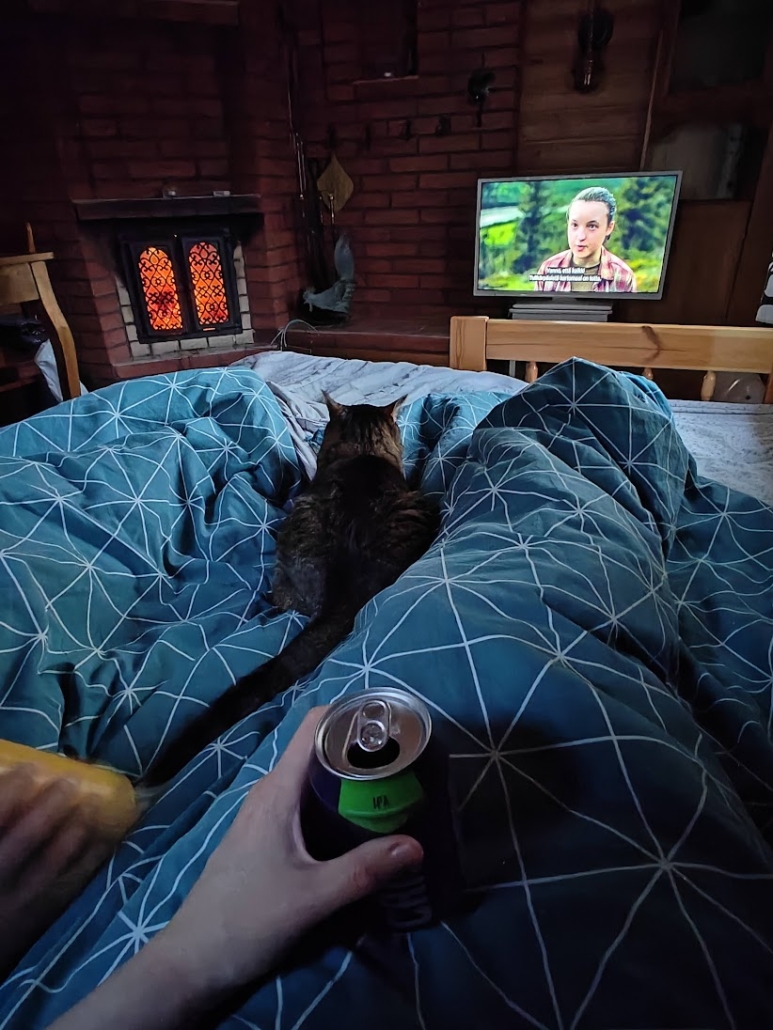
9. Cozying up indoors, tea time, and Netflix season begins
As outdoor conditions worsen with rain and darkness, Finns’ daily life shifts noticeably indoors. Mugs of tea, snacks, and candles appear on the coffee table, soft blankets get piled onto sofas, and evenings are increasingly spent at home with books, TV or streaming services. The cold, wet weather outside makes the sofa’s warmth, dryness, and softness feel especially wonderful.
This is often called “kotoilu” — a concept deeply embedded in Finnish culture that means deliberately enjoying being at home, not merely being forced to stay in. Whereas in summer there’s usually still time for a sunny outing after work, by autumn it’s already dark by the time the workday ends, so daylight outings mostly have to be scheduled for days off.
10. Winter-tire season approaches
Finnish law requires winter tires. Many Finns change their own tires in their own yard; others have them changed professionally. Every year the same story recurs in the news: “Winter caught drivers off guard.” This means the first icy conditions inevitably hit while many drivers still have their summer tires on, which, at worst, can lead to chain-reaction collisions. A traditional Finnish driver’s autumn usually includes at least a small dose of suspense: it might dip below zero overnight while the car is still on summer tires, and will I actually make it to work in the morning?
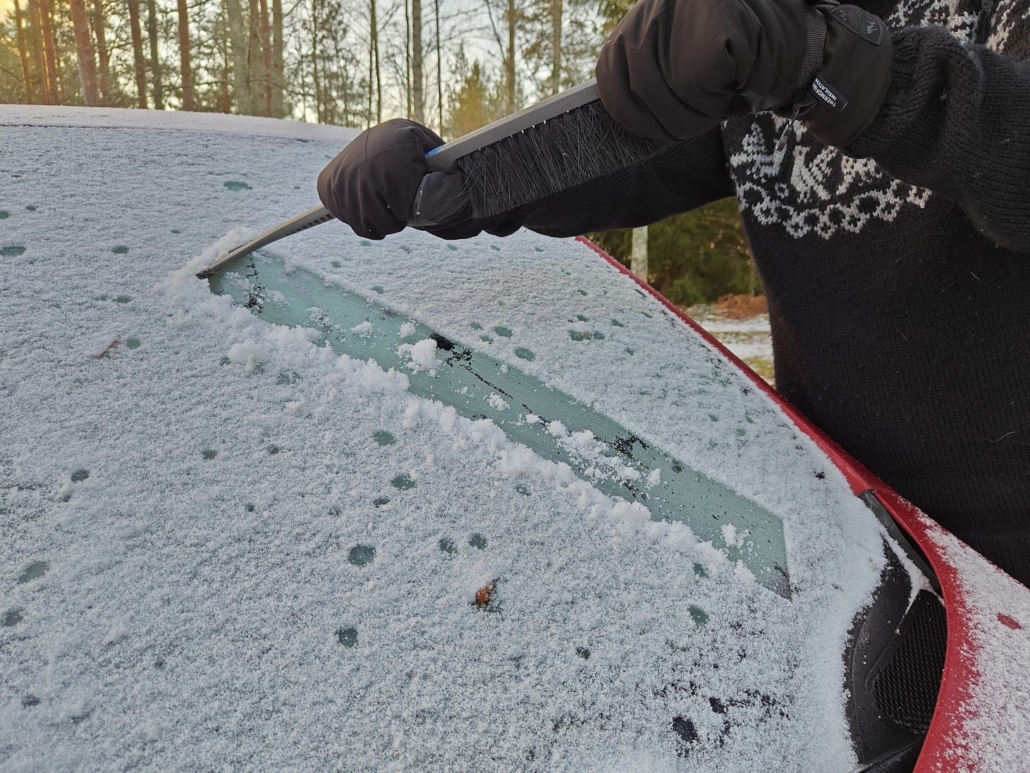
11. Morning frost on the car windshield
The first freezing nights bring frost that coats the car’s windshield in a thin layer of ice. In practice, this means mornings require extra time for scraping the windshield before heading to work. Many people keep an ice scraper in the car at all times, since a parking disc works well for the job in a pinch. This is also a good time to get the car winter-ready more generally: besides winter tires and an ice scraper, it’s worth making sure a high-visibility vest, a warning triangle, and warm spare clothing are on board.
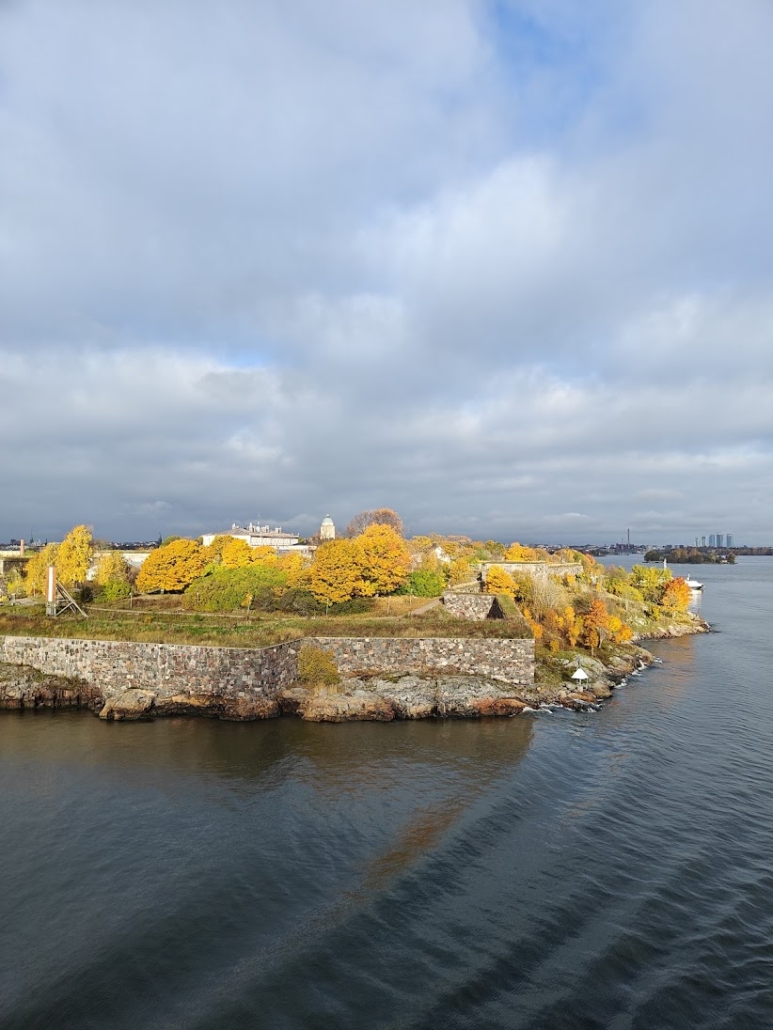
12. Ruska, the autumn foliage
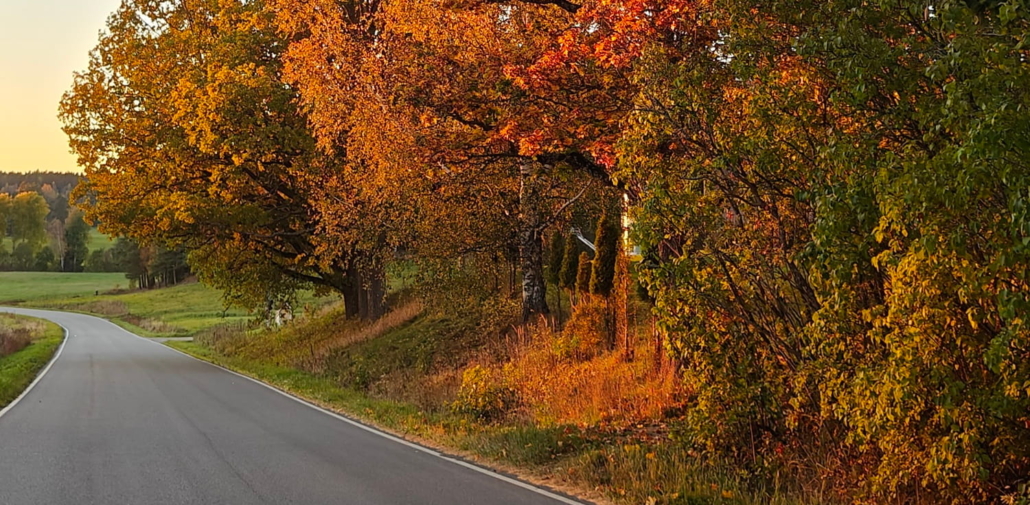
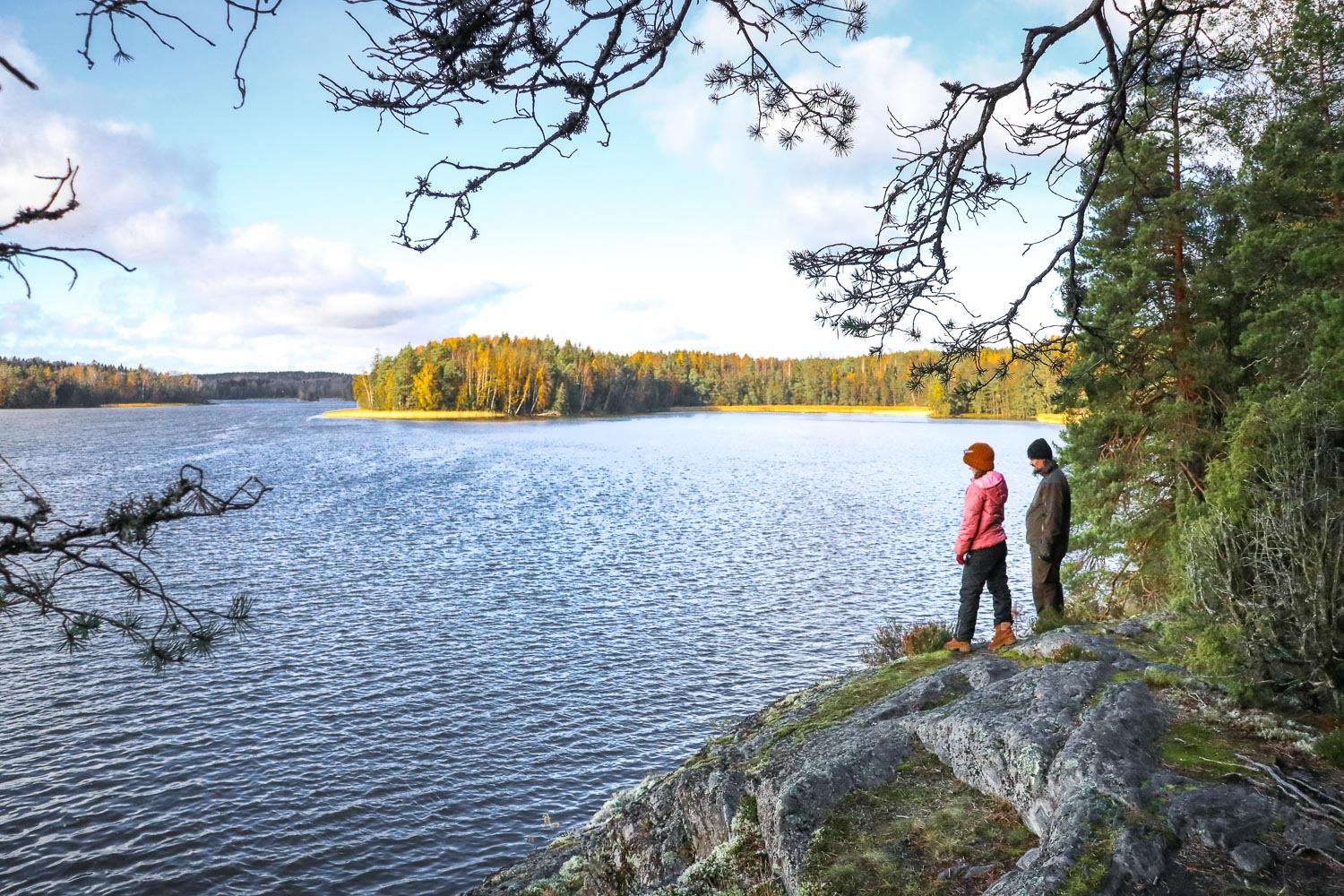
Ruska refers to the turning of deciduous leaves to yellow, orange, and red in autumn, especially in late September and early October. It’s particularly spectacular in Lapland and the fell regions, where people travel to see it. Finns take “ruska trips” to admire the blaze of color before the snow arrives. Southern Finland, even Helsinki, also has genuinely beautiful ruska, for example in Suomenlinna. Ruska is a little different every year. Sometimes the colors are more intense, sometimes more muted.
13. The daily gamble of what to wear
Finnish autumn weather is unpredictable! A morning can be bitterly cold and the afternoon can leave you sweating. This difficulty with dressing often shows up on the street: one person strides along in a heavy autumn coat while another walks by in a T-shirt and shorts. They probably both regret their choices. Just watch people on a street in autumn and you’ll see it!
The best approach is to prepare for a bit of everything: dress warmly for the morning, with lighter layers underneath that can work if the afternoon turns warm. Shell jackets are often a good solution for Finnish autumns, since they typically block wind and rain as well. A thin beanie is always good to have on hand (you could even use it to collect mushrooms in, if you don’t need it to keep your head warm.)
14. Autumn Work Day in Housing Co-ops
Finnish housing co-operatives traditionally hold autumn “talkoot” — a shared, voluntary work day when residents clean up the yard, rake leaves, collect any fallen apples, and get shared areas ready for winter. Afterward, sausages and juice or coffee are often served from a grill. This is an important tradition that reinforces community spirit in Finnish housing culture.
Read next
What to do in Finland in Autumn? Here is a Wonderful 10-Item Bucket List for You!
10 photos that make you want to visit Lapland in autumn
Related Content



Leave a Reply
Want to join the discussion?Feel free to contribute!