
A Hanami Walk Through the Forest: Thoughts on Watching and Appreciating Spring Flowers
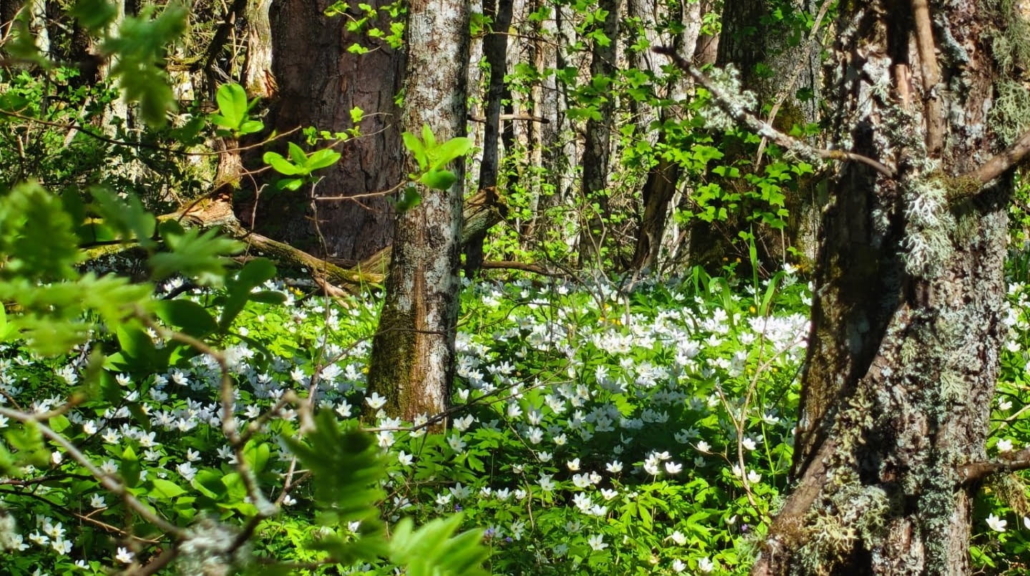
The Japanese term ‘hanami’ is often associated with admiring cherry blossoms, but the word refers more broadly to the appreciation and enjoyment of flowers in general. In Finland, too, there are cherry trees and cherry groves here and there, whose blossoming is a magnificent sight — though a fleeting one. A somewhat longer window for flower-gazing is offered by spring wildflower forests, such as many deciduous woodland groves, where carpets of flowers spread out in breathtaking beauty at this time of year. Last weekend, I went on a spring flower walk with my parents in our home town of Salo. My mind wandered and noticed many small things that together make something great out of such a simple outing.
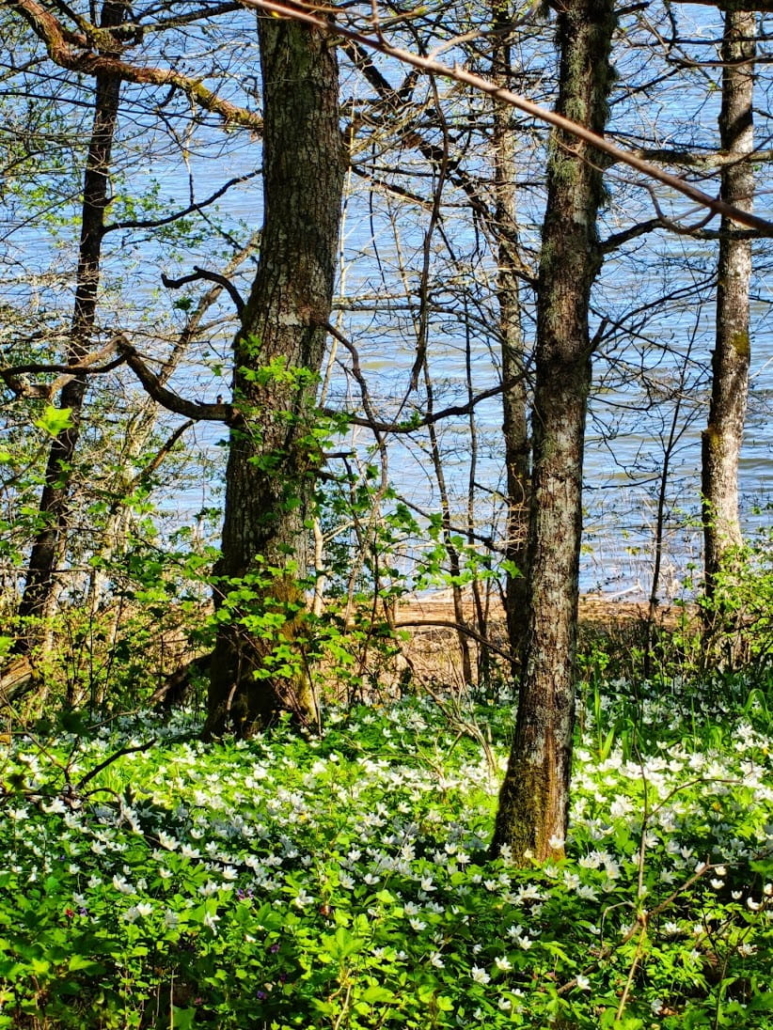
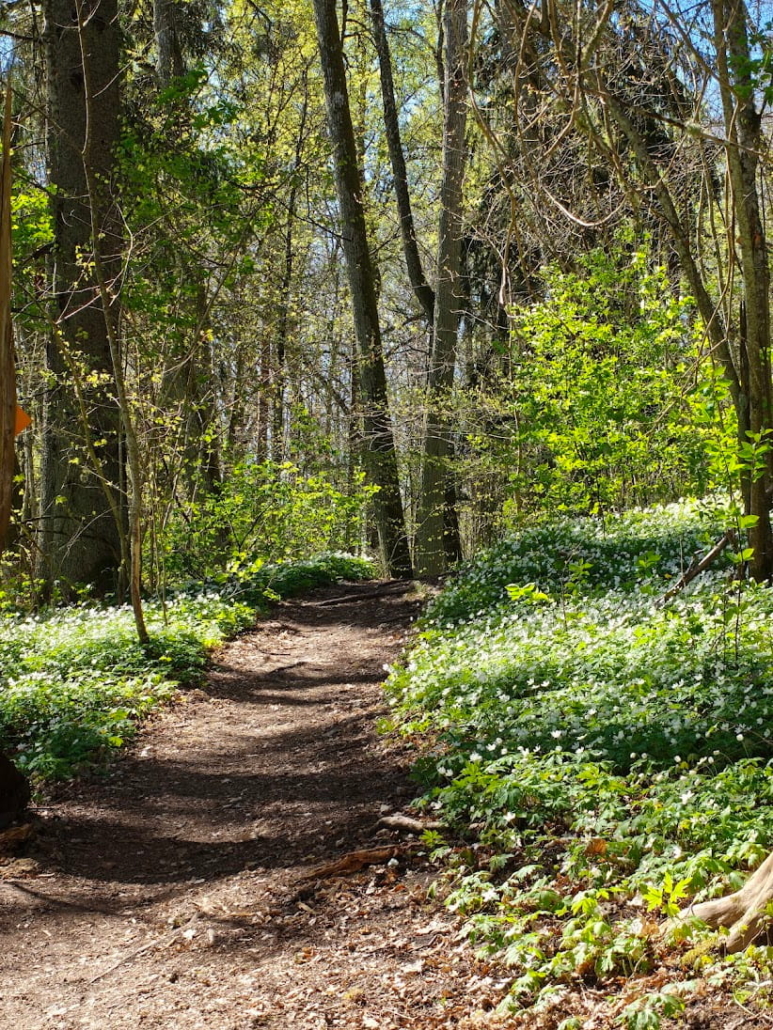
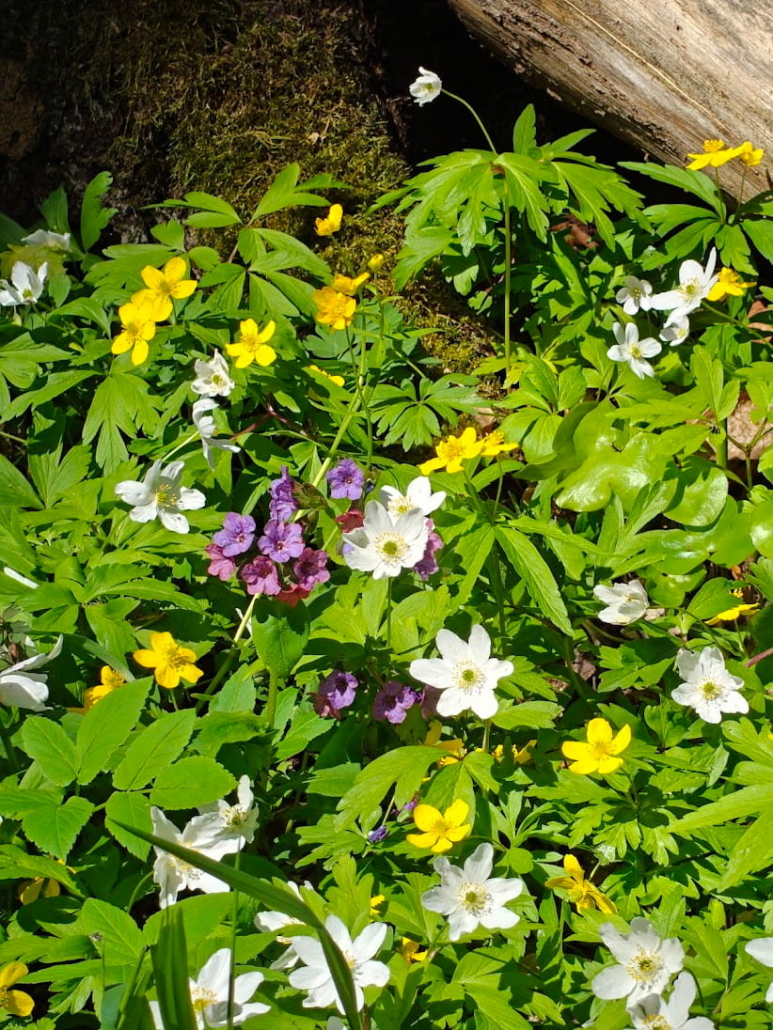
Photos are from the Vaisakko grove in Salo.
Mindful admiration
Through my work, I’ve had the chance to read research showing that consciously admiring the details of nature amplifies nature’s restorative effects even further. Pausing to take in even the smallest wonders of nature helps us see more and more beauty and wonder, and it also helps put things in perspective: one gets to feel part of something vast and beautiful — the diversity of nature itself. Yet how often do we simply walk or jog along a forest path without really looking at anything, without focusing on anything at all? Hanami provides the perfect reason and practice for slowing down in nature. To heck with heart rate monitors and step counters!
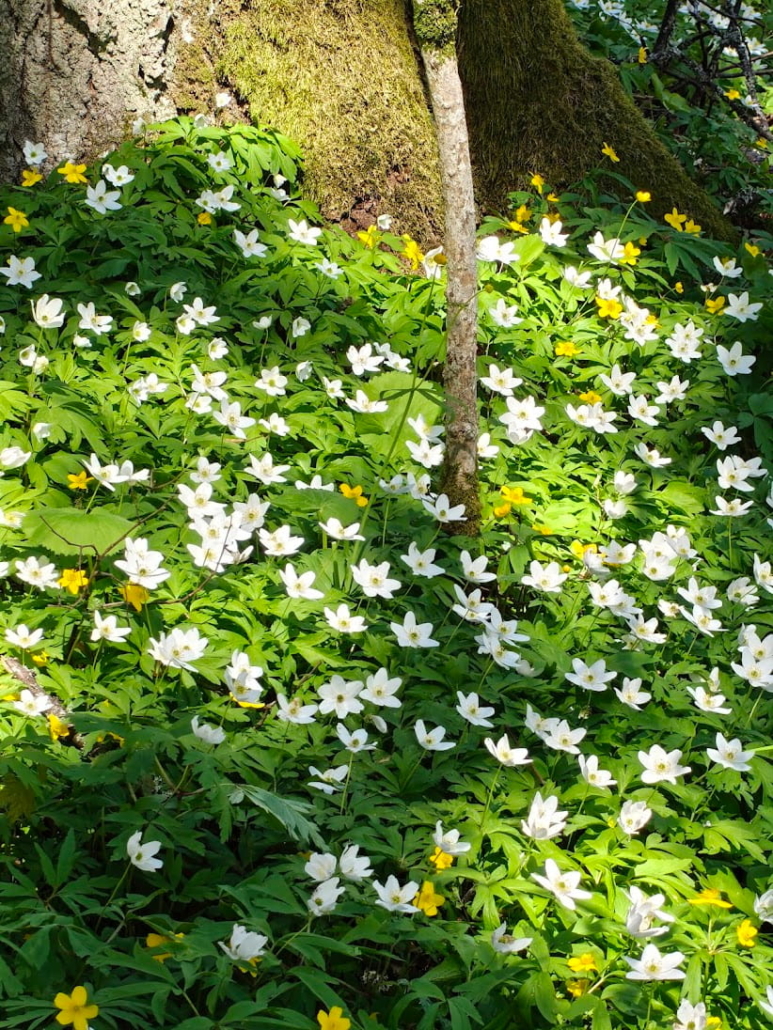
On this forest walk, I let my eyes wander over the deep furrows of old oak trunks, the blooms of white and yellow wood anemones, the fluffy bottoms of bumblebees, and the fresh green of young hazel leaves. The spring outing slowed from a walk into an experience, and in the process a new and lovely memory was made — one I got to share with my dear mother and father. There can never be too many moments like these in a life.
Awakening the senses (and a few memories too)
After winter’s colourlessness, a flowering grove is like shock therapy for the eyes. If brains could purr, mine would have been humming like a cat curled up in the warmth of the sofa. Winter’s fifty shades of grey have given way to fifty shades of green, topped with yellow, violet, purple, and blue flowers.
But a spring grove gives more than that. I listened to Baltic waves breaking on the shore, to gulls, song thrushes, and the spring song of a chaffinch. I heard my mother relax as she stopped to close her eyes and breathe deeply in the spring air of the oak forest. I listened to my father’s memories of the time we canoed along the edge of the grove and spotted lizards when I was a small child. I smelled the scent of the sea mingled with the fragrance of flowers. I admired the delicate white blossoms of wood sorrel and vividly remembered exactly what its leaves taste like. My mouth flooded with saliva at the mere thought. As a child I once stuffed a handful of wood sorrel leaves into my mouth — not exactly a pleasant taste experience, but a fond childhood memory all the same.
Protecting the flowers
This is perhaps the most important reminder, and one that is easy to forget in a moment of excitement: in the forest, flowers belong where they are. There is no need to pick them, pluck them, or move them, and they should not be trampled in pursuit of the perfect photograph. Wood anemones, hepaticas, lesser celandines, and other woodland floor beauties are delicate and precious gems exactly where they grow, and when we stay on the established paths, the flowers alongside them can grow beautifully without being snapped underfoot. Spring wildflower forests are popular walking destinations, and if everyone were to stray off the path, there would soon be nothing left to admire — only a trampled, sorry patch of bare ground.
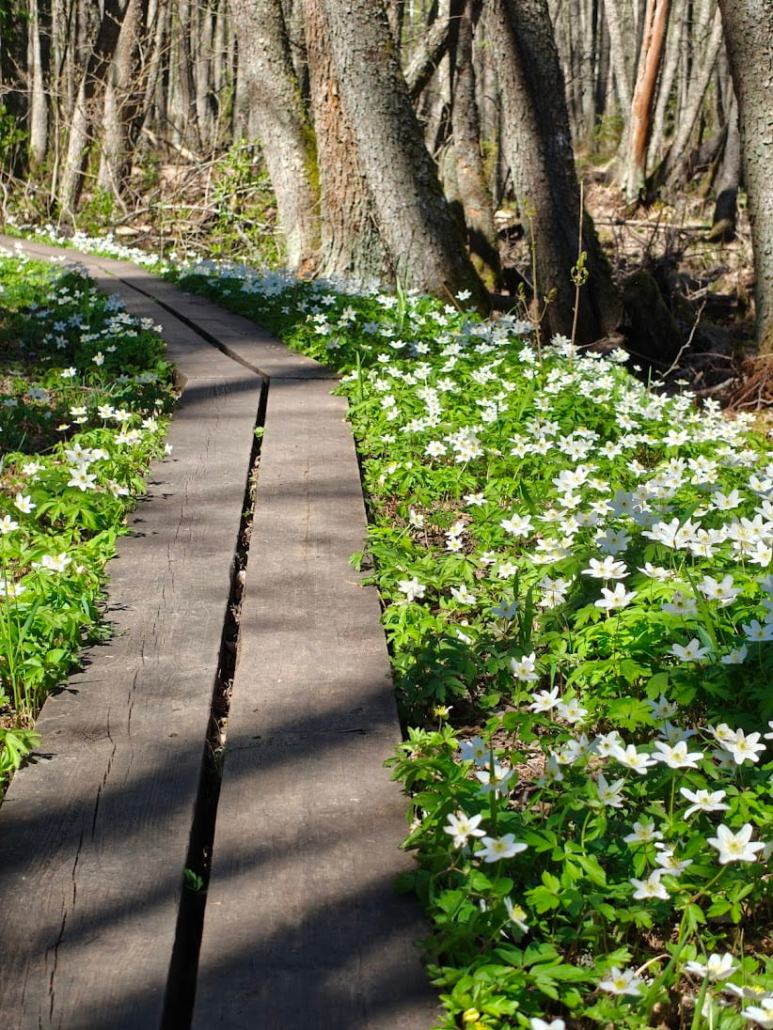
I admired the intact, sweeping carpets of flowers and the clear path running through them. Judging by the footprints, visitors have been careful to stay on the trail. I didn’t find a single piece of litter either, not even a cigarette butt. The tidiness genuinely lifted my spirits. There are no bins here, yet people know to pocket their litter and take it away with them.
Other life on the ground worth protecting
Our group didn’t include any pets, but we did pass a couple of parties out with their dogs. I felt a wave of relief on behalf of the forest’s wildlife when I saw that the dogs were on leads. On the woodland floor and at the base of shrubs, birds may be nesting — tiny willow warblers, comical-looking Eurasian woodcocks, or button-eyed hazel grouse — and the ground may be full of other small creatures that form part of the very same ecosystem we had come to admire. People’s pets, as dear and adorable as they are to their owners, do not belong to that ecosystem, and even with the best of intentions they can cause real harm to nesting birds, for instance. It is therefore wonderful to see them kept on leads, giving nature the peace it deserves.
Appreciating insects
Insects and spring flowers need each other, and in a protected forest the diversity of both can be remarkable. I watched the butterflies drifting past and the bumblebees busying themselves among the flowers with genuine affection. An old-growth forest is proof of how even the tiniest organism can be a critically important piece of the puzzle of balance and abundance. And in these small things it isn’t only about insects: there is something calming and beautiful about watching the bracket fungi growing on the side of a fallen log and reflecting on how they slowly and peacefully break down the wood, creating a habitat for countless other organisms.
I have no wish to burden the forest ecosystem any more than my own lungs with the neurotoxins sold as insect repellents. At this time of year there are no mosquitoes yet, but when they do appear, you can protect yourself without chemicals simply by wearing long sleeves and long trousers — which also offers good protection against ticks, so everyone wins.
The full range of the day
We had timed our outing for midday, so that the flowers would be fully open. It was a good call! A sea of wood anemones and yellow wood anemones rippled magnificently in every direction, each flower wide open towards the warmly shining May sun high in the sky. Yet I have walked through this same grove at dusk before, and the atmosphere was magical in an entirely different way. The soundscape of gulls, wind, and waves had given way to the calls of a tawny owl and a common blackbird, and instead of sleeping flowers, my attention was drawn to the shapes of the enormous oaks looming in the dimming forest. I am far too sleepy for early morning walks, but it would be wonderful to come here in the small hours too, to watch the grove and its flowers wake to a new day. At this time of year, each hour of the day feels so distinctly its own.
Lessons in nature connection across generations
Children are wonderful admirers of nature: they crouch down immediately, ask about everything, and notice things an adult would easily walk straight past. I don’t have children of my own, but I’ve tried to keep my inner child alive and well by giving wonder and unhurried pausing plenty of space and time in nature. Photography is a great help with this, as it teaches you to see so much that is beautiful, both large and small.
Though we were out as a threesome with my parents — the very people who have supported the strong development of my relationship with nature since I was a baby, and whose mere presence significantly raised my happiness quotient — none of us had a schedule. We walked slowly, stopped often, soaked it all in, admired the view, and shared fond memories. I felt an immense sense of gratitude that even though my parents are well into their years, they were able to walk the route with me in fine spirits. Accessible and easy-to-navigate nature trails are sorely needed, as access to nature promotes the wellbeing of older people just as much as anyone else’s.
Read next
Enchanted by the Grove: Ramsholmen’s Spring Magic in Åland


Leave a Reply
Want to join the discussion?Feel free to contribute!