
Autumn is golden time for cranberries: here’s how to find them yourself
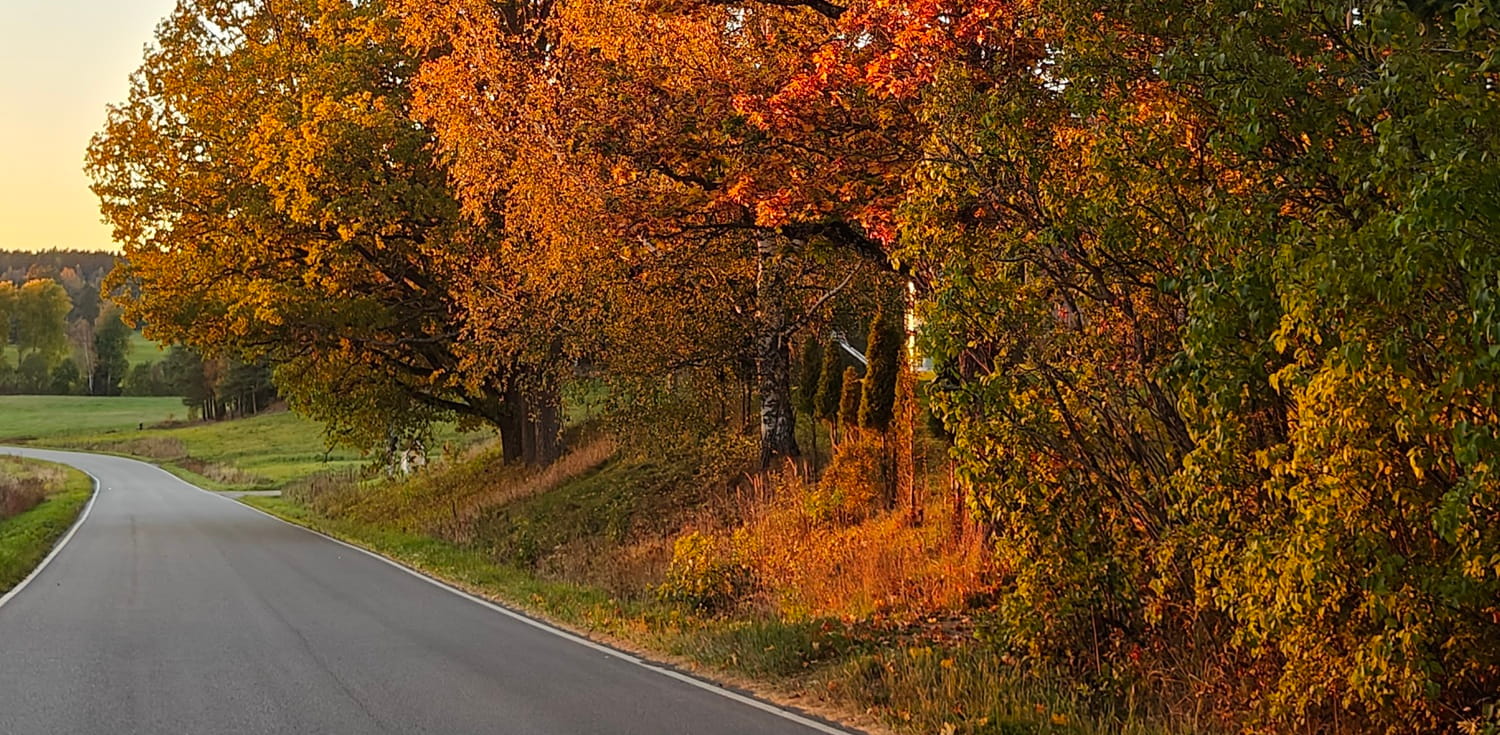
Autumn is well under way in Finland. In the south, the maples and oaks have already turned yellow, and the ground is covered in birch leaves that the wind and rain have torn from the trees. Rain lashes the windows every now and then, and some parts of Finland have already had their first night frosts. You might think that the time for berries would already be over. But that’s not the case, because one true delicacy of the Finnish berry world is only just about to reach its best: the cranberry.
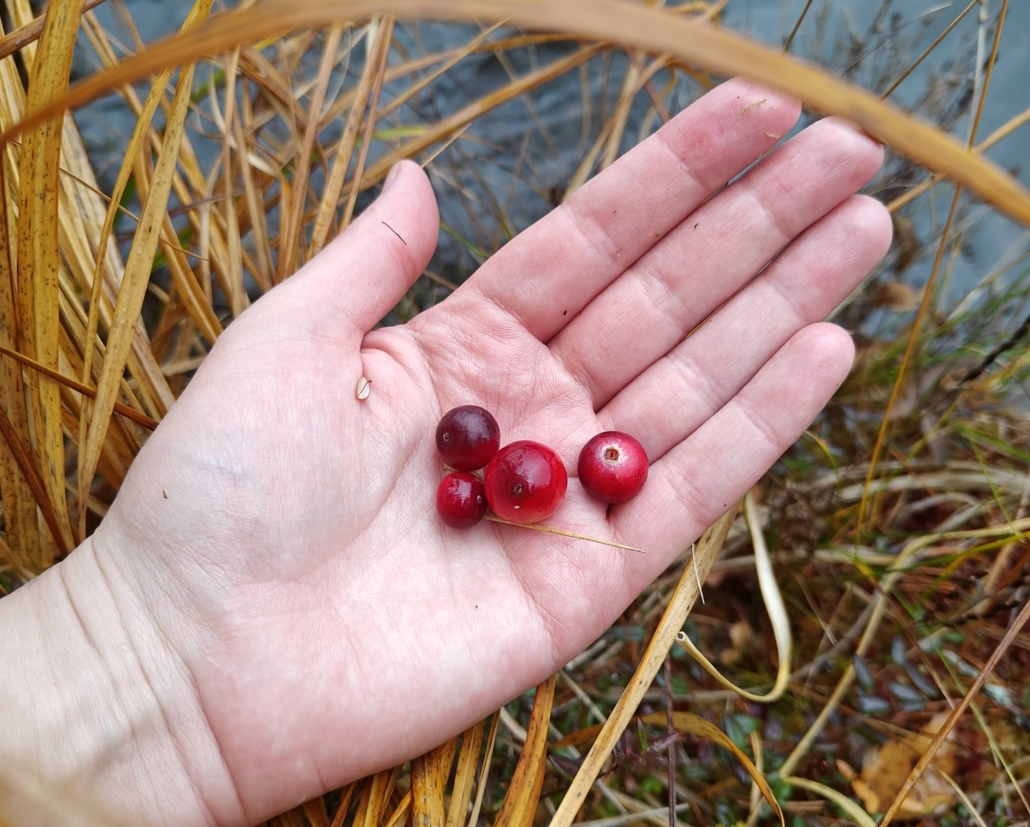
The bilberries and raspberries are long past their best, and there has been no sign of cloudberries for ages, but the forests still offer lingonberries, and out on the bogs the season of an autumn speciality is only just beginning: the cranberry, or karpalo in Finnish. The cranberries, which can grow to an impressive size, are now ripening, and the frosts make them at least a little sweeter. Let’s be honest, though: this healthy berry is still sour.
Finland has two cranberry species: isokarpalo (‘big cranberry’, Vaccinium oxycoccos) and pikkukarpalo (‘small cranberry’, Vaccinium microcarpum). For the picker, the only difference between them is size. Cranberries were already used in the old days to treat colds and fevers. In fact, they contain as much as twice the vitamin C of lingonberries.
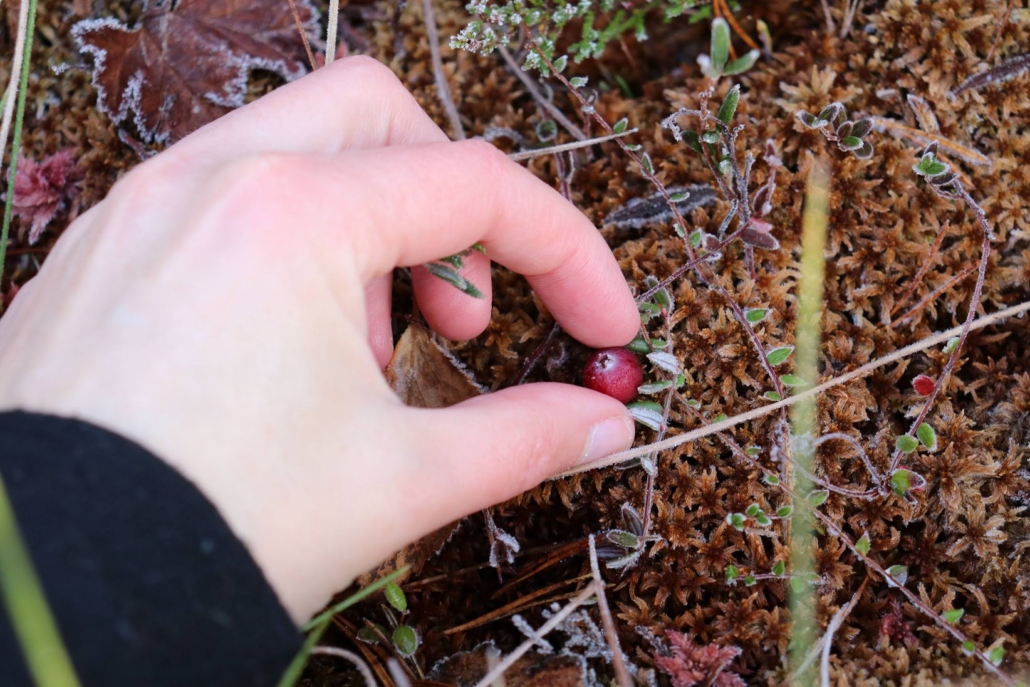
Unlike many other edible wild berries in Finland, the cranberry grows right down on the ground. Its thin stems creep across the surface of the moss, and the berries rest directly on top of it. As autumn advances, the bog turns red beneath the berries at the same pace as the berries themselves ripen and redden, so spotting them takes concentration and a deep squat.
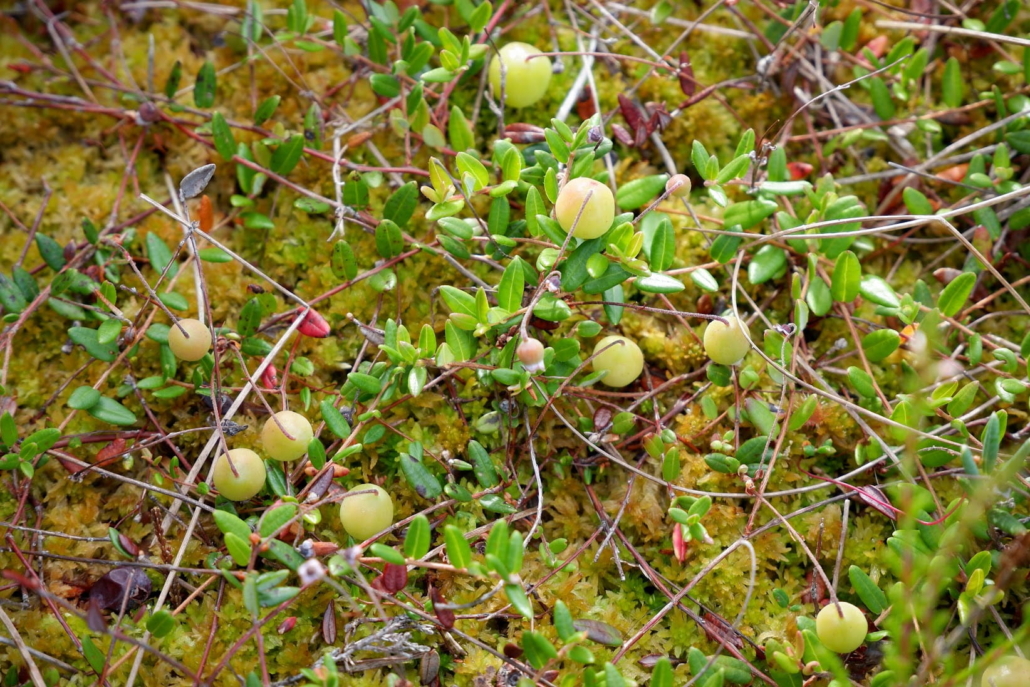
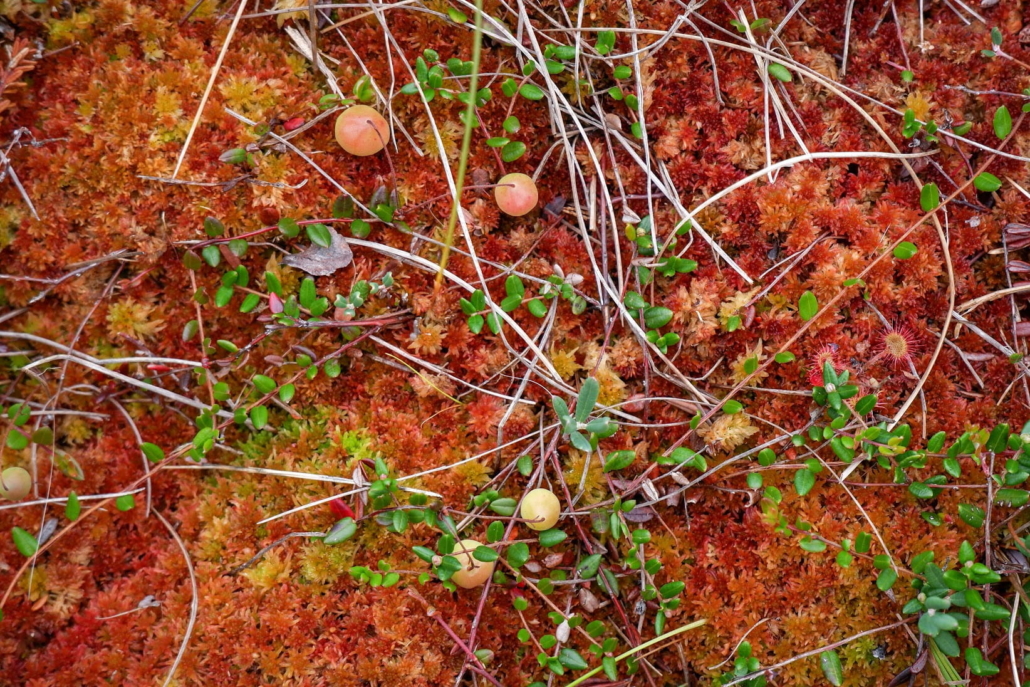
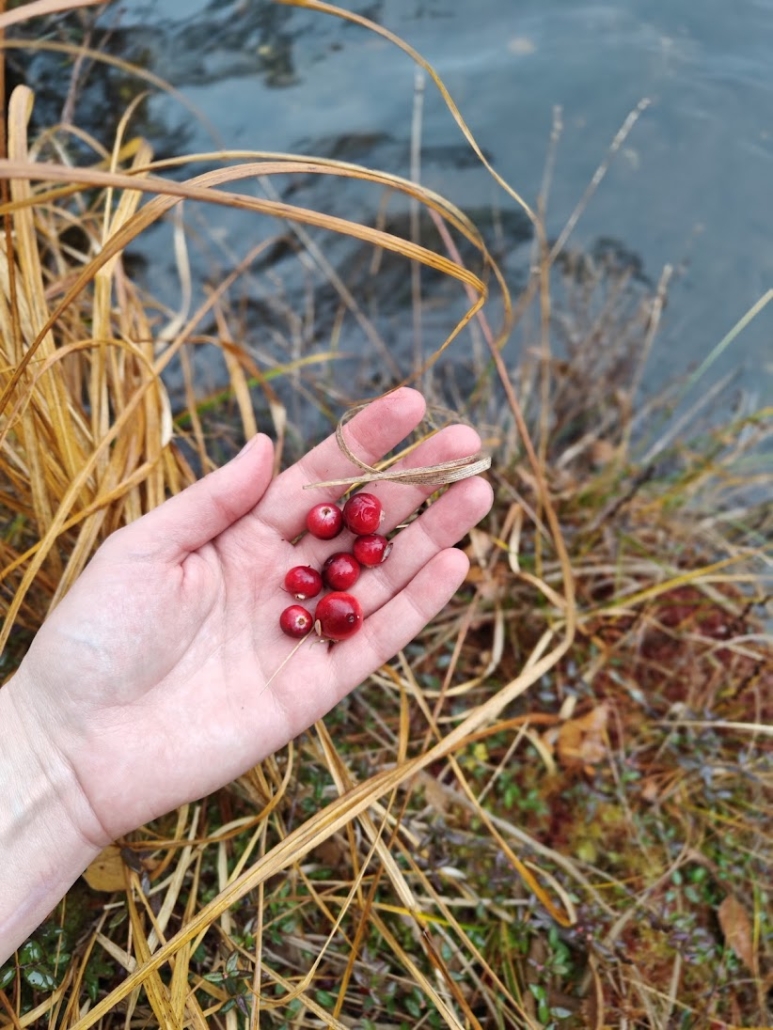
All in all, picking cranberries takes a little more effort than many other berries: they sit low, they can be hard to tell apart from their surroundings, the bog is awkward ground to walk on, and the berries grow one by one, whereas lingonberries, for example, grow in handy clusters. Still, at this time of year I love exploring the edges of bogs and popping a berry into my mouth here and there, even though I don’t pick cranberries to take home myself. The berries are often really big!
Where to find cranberries
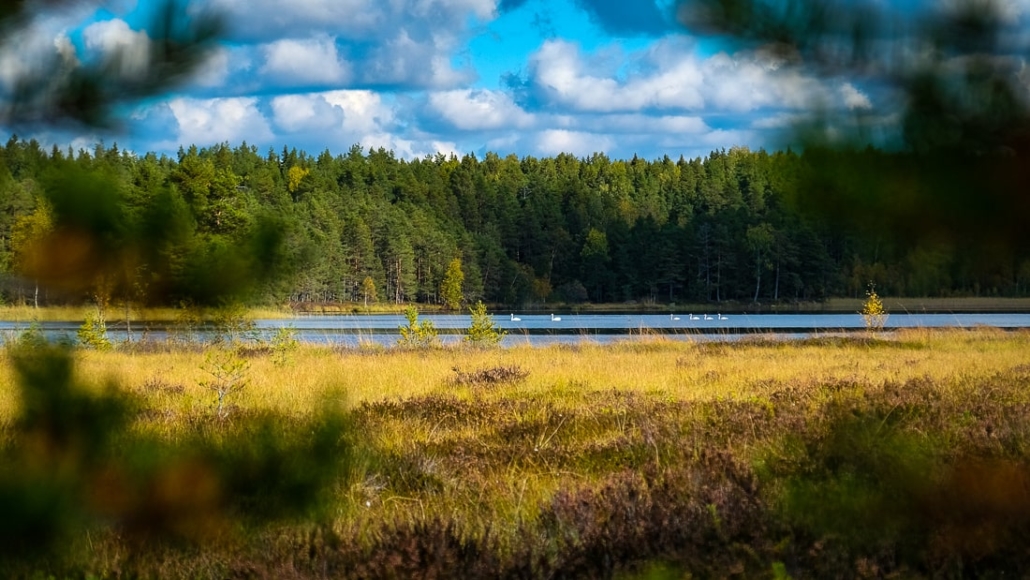
Cranberries thrive on open bogs, and the easiest and safest way to reach them is along the bog trails of national parks. Good examples are Torronsuo National Park in southern Finland and Valkmusa National Park near Kotka, but you will also find good bog trails in countless other national parks, such as Teijo, Leivonmäki and Kauhaneva-Pohjankangas.
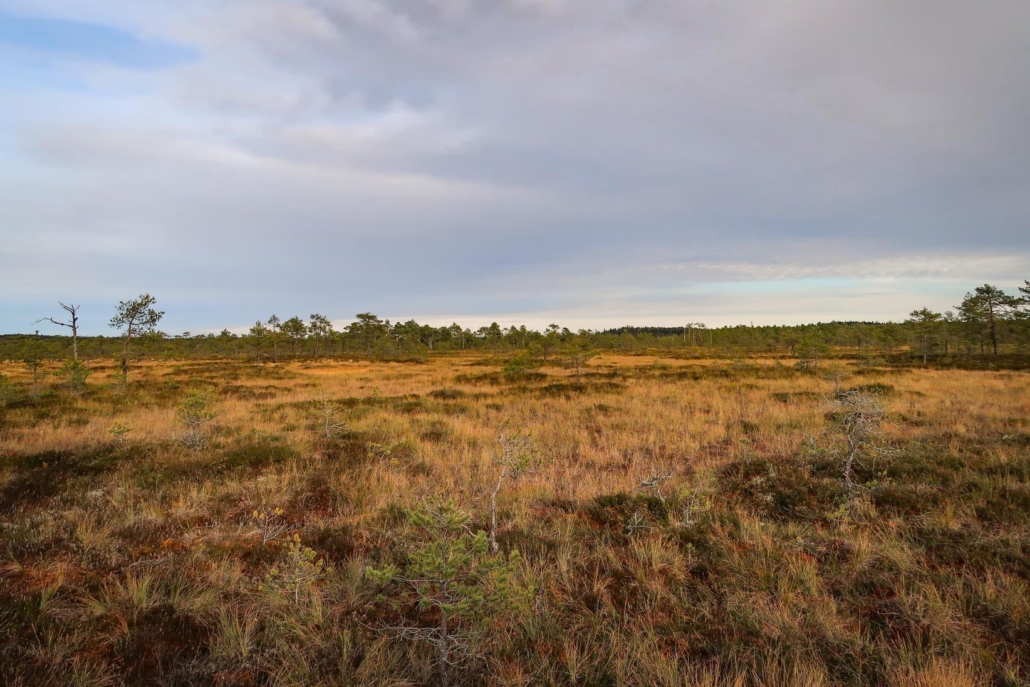
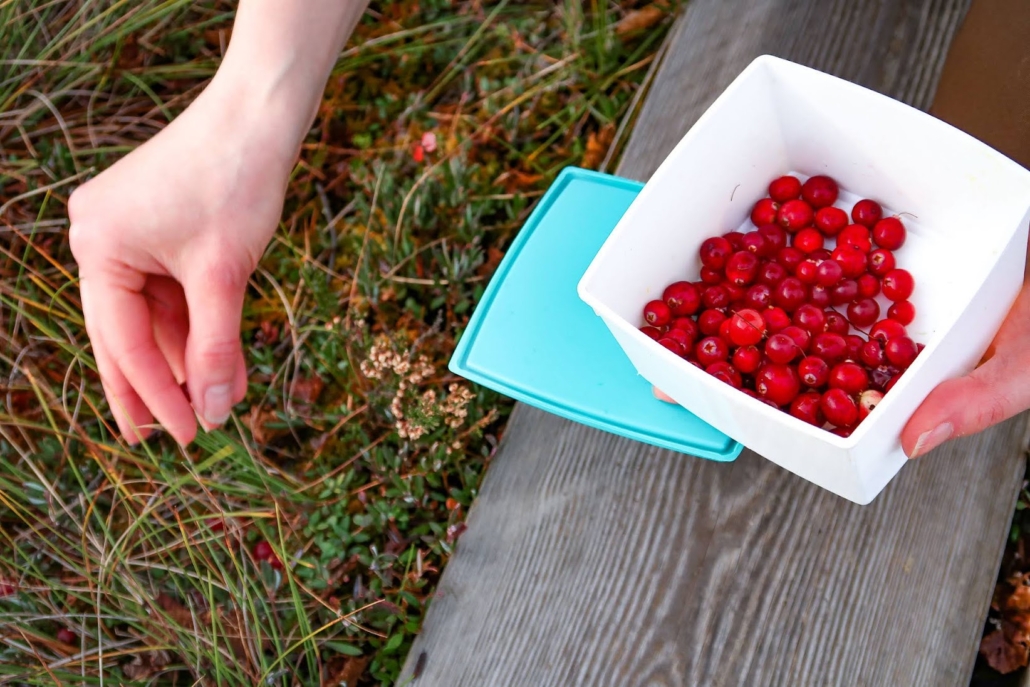
Luckily, you usually don’t need to go far. Cranberries often grow right next to the duckboards, the wooden plank paths that cross Finnish bogs, so you can sometimes fill your container without stepping onto the bog at all. That is a good idea, because a bog is an unpredictable environment, especially if you are not used to it. The ground can give way beneath you, and there may even be water under the surface. Falling into it would be dangerous.
It is also easy to get lost on a bog. Bogs are often vast and have few landmarks that stand out. After a while of busily picking berries, every direction starts to look the same. If you would like to go looking for berries with a guide, get in touch with my colleagues at [email protected] and book a guided trip for your group. Berry picking isn’t possible all year round, of course, but from summer to autumn there is plenty to gather, both berries and, towards late summer, mushrooms.
The season lasts until the snow arrives
The cranberry harvest ripens in late September, and the berries are often at their best only in October and November. You can keep enjoying them on the bogs until the snow covers them, after which they can no longer be found.
Frost also freezes the surface of the bog, making it a little easier to walk on. For a short while there is that wonderful moment when the bog is already slightly frozen but there is no snow yet: this is the golden moment for cranberry pickers.
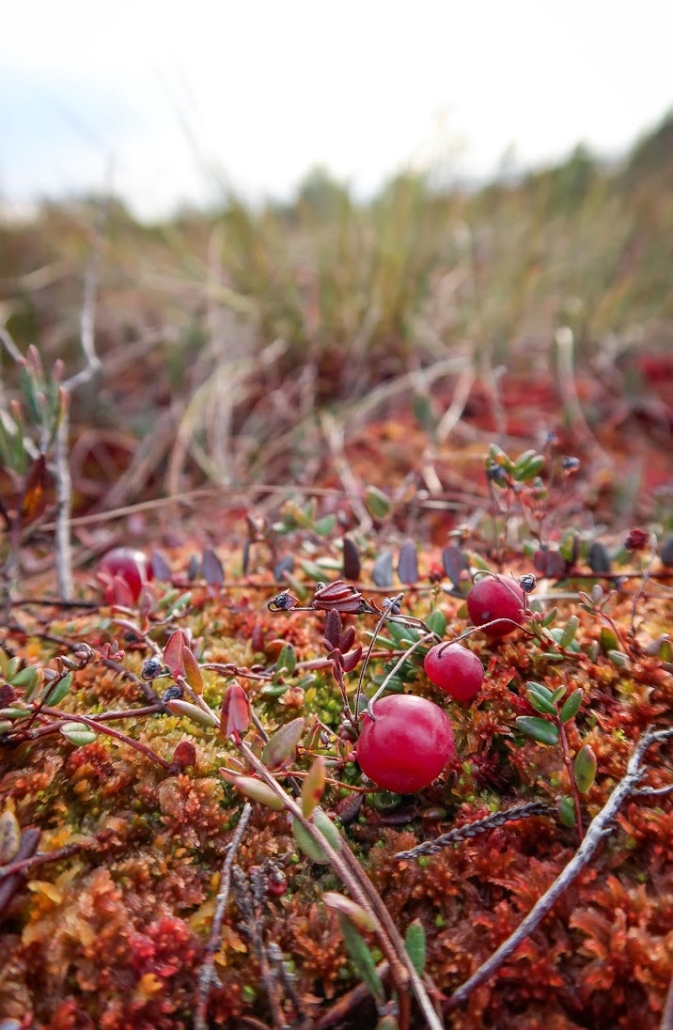
Once the first frost gets its teeth into the cranberries, they become sweeter than before. Even so, they are quite sour. Because of their sourness, cranberries are a popular ingredient in jams, jellies, juices and marmalade, and they pair well with plenty of sugar. For pies, Finns usually use other berries, mainly bilberries, lingonberries and sometimes raspberries.
Many cranberries are still good to eat in spring, when they emerge from under the snow again. That said, once the snow has melted in spring, the bogs are so wet that few people venture onto them at that time of year. The cranberries that emerge from under the melting snow are more like occasional treats that a lucky hiker might happen upon.
Source: Luontoportti: Karpalo (in Finnish)
Read next
These are 8 delicious berries that Finns pop into their mouths in the wild, and you can do the same
Wild berries of the north are real superfood
14 Signs That Autumn Has Arrived in Finnish Homes and Lives
Related Content



Leave a Reply
Want to join the discussion?Feel free to contribute!